





Geben Sie hier Ihre MwSt.-Nummer ein und klicken Sie auf Überprüfen:
Sie brauchen den Ländercode Ihrer MwSt.-Nummer nicht einzugeben, da dieser bereits oben in Ihrer Rechnungsadresse ausgewählt wurde.
Ihre Angaben wurden überprüft. MwSt.-Nummer registriert auf:
,
.
Ihre Bestellung ist nun mehrwertsteuerfrei. Wir behalten uns das Recht vor, diese Angaben nach Ihrer Bestellung zu überprüfen und gegebenenfalls die Mehrwertsteuer wieder einzuführen.
Ihre MwSt.-Angaben wurden nicht erkannt oder waren ungültig. Ihre MwSt.-Nummer muss mit Ihrem Rechnungsland übereinstimmen, wie oben angegeben. Dies ist derzeit als angegeben. Sie brauchen den Ländercode Ihrer MwSt.-Nummer nicht einzugeben, da Sie diesen bereits in den Angaben zu Ihrer Rechnungsadresse oben ausgewählt haben.
Der Dienst zur Überprüfung von MwSt.-Nummern ist derzeit offline. Bitte geben Sie Ihre MwSt.-Daten im Feld „Kommentare“ oder „Besondere Hinweise“ unten an, und wir werden nach Ihrer Bestellung einen MwSt.-Rabatt gewähren.

- Aufhängungsnachrüstung
- Auspuffanlagen
- Außengestaltung/Spoiler
- Bekleidung und Geschenkartikel
- Beleuchtung
- Bremsen
- Elektrische Komponenten und Relais
- Elektrische Motorkomponenten
- Ersatzteile
- Fahrgestell/Karosserie
- Federung und Achse
- Felgen
- Getriebekasten/Getriebe
- Gummidichtungen
- Heizung/Klimaanlage
- Hydraulikkomponenten
- In-Car-Entertainment/Multimedia
- Innenausstattung und Zubehör
- Leistungsteile
- Lenkungsteile
- Matten und Teppiche
- Motorkühlung
- Motorsport und Offroad
- Pedalerie
- Radzubehör
- Reifen
- Sitze und Sicherheitsgurte
- Teile für andere Autos
- Teile für Motorüberholung
- Teile im Sonderangebot
- Zubehör
Vakuumeinheit
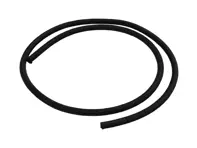


Verkauf in Längen von 1 Meter.
Passend für:
- Porsche 911 1978-1983 3.0L / SC
- Porsche 911 1975-1977 3.0L Turbo (930)
- Porsche 924 2.0L 1976-79
- Porsche 924 2.0L 1980-85
- Porsche 924 Turbo 2.0L 1979-81
- Porsche 924 Turbo 2.0L 1982-84
- Porsche 924 Carrera GT 2.0L 1981
- Porsche 924 Carrera GTS 2.0L 1982
- Porsche 914 (1970-1976)
Zugehörige Referenznummern
Verwandte, ersetzte, Querverweisoder Alternativnummern zum Vergleich.
PAF020353
Das von Ihnen angezeigte Produkt verweist auf diese Nummern
- Porsche 911 1978-1983 3.0L / SC
- Porsche 911 1975-1977 3.0L Turbo (930)
- Porsche 924 2.0L 1976-79
- Porsche 924 2.0L 1980-85
- Porsche 924 Turbo 2.0L 1979-81
- Porsche 924 Turbo 2.0L 1982-84
- Porsche 924 Carrera GT 2.0L 1981
- Porsche 924 Carrera GTS 2.0L 1982
- Porsche 914 (1970-1976)
 Sicher einkaufen
 12 Monate Garantie
 Weltweite Lieferung

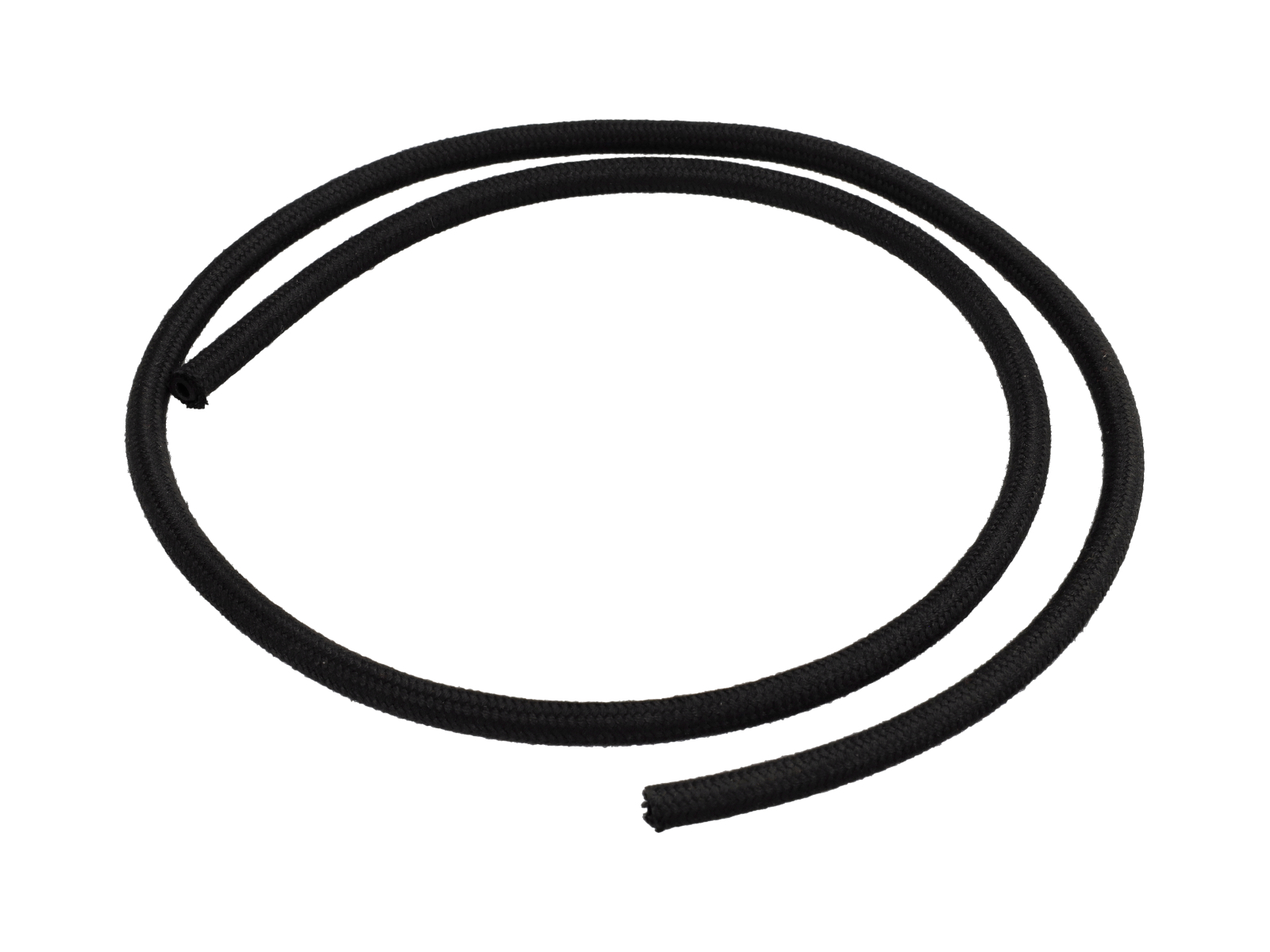
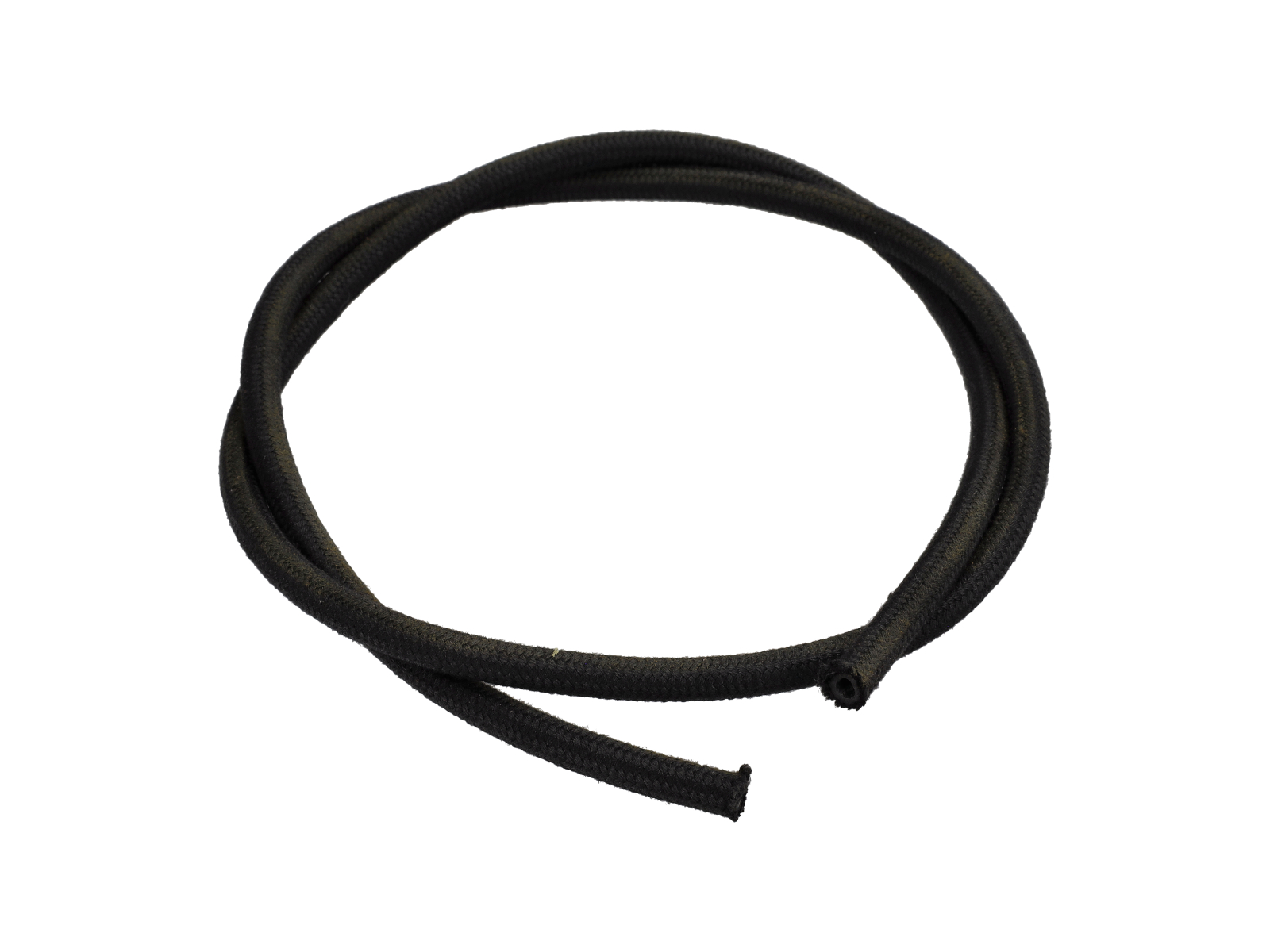
Vakuumschlauch 3,2 x 2 mm
Verkauf pro Meter
Hochwertiger Vakuumschlauch 3,2 x 5 mm, passend für verschiedene Porsche-Modelle.
Dieser vielseitige Schlauch wird meterweise verkauft, sodass Sie ihn exakt auf die für Ihre Anwendung benötigte Länge zuschneiden können. Er findet Verwendung in verschiedenen Systemen im Motorraum, darunter Vakuumkreisläufe, Kraftstoffsystemanschlüsse und emissionsrelevante Komponenten.
Passend für:
Porsche 911 1978-1983 3.0L / SC
Porsche 911 1975-1977 3.0L Turbo (930)
Porsche 924 2.0L 1976-79
Porsche 924 2.0L 1980-85
Porsche 924 Turbo 2.0L 1979-81
Porsche 924 Turbo 2.0L 1982-84
Porsche 924 Carrera GT 2.0L 1981
Porsche 924 Carrera GTS 2.0L 1982
Porsche 914 (1970-1976)
Dieser Schlauch wurde für Langlebigkeit und Flexibilität gefertigt und gewährleistet zuverlässige Leistung unter den Bedingungen im Motorraum. Dadurch eignet er sich ideal für die Wartung, Reparatur oder vollständige Restaurierung klassischer Porsche-Modelle.
Hauptmerkmale
• Vakuumschlauch mit 3,2 mm Innendurchmesser
• 7 mm Außendurchmesser für korrekte Passform
• Verkauf pro Meter für individuelle Längen
• Passend für Porsche 911 und 911 Turbo (1970–1977)
• Vielseitig einsetzbar in Vakuum- und Kraftstoffsystemen
• Flexible und langlebige Konstruktion
• OEM-Spezifikation
Funktion und Zweck
Dieser Vakuumschlauch wird in verschiedenen Motorsystemen verwendet.
Es hilft dabei:
• Aufrechterhaltung des Vakuumdrucks für den Motorbetrieb
• Vakuumgesteuerte Komponenten anschließen
• Unterstützung der Kraftstoffsystem- und Vergaserfunktionen
• Für ordnungsgemäßen Luftstrom und Systembalance sorgen
• Gewährleisten Sie eine zuverlässige Motorleistung
Warum man Vakuumschläuche austauschen sollte
Gummischläuche werden mit der Zeit durch Hitze und Alterung verschleißen.
Häufige Probleme sind:
• Risse oder Spalten
• Vakuumlecks, die die Leistung beeinträchtigen
• Verhärtung und Verlust der Flexibilität
• Verringerte Systemeffizienz
Durch den Austausch alter Schläuche wird die ordnungsgemäße Vakuumfunktion und die Zuverlässigkeit des Motors wiederhergestellt.
Zugehörige Referenznummern
Verwandte, ersetzte, Querverweisoder Alternativnummern zum Vergleich.
PAF020353
Das von Ihnen angezeigte Produkt verweist auf diese Nummern
- Porsche 911 1978-1983 3.0L / SC
- Porsche 911 1975-1977 3.0L Turbo (930)
- Porsche 924 2.0L 1976-79
- Porsche 924 2.0L 1980-85
- Porsche 924 Turbo 2.0L 1979-81
- Porsche 924 Turbo 2.0L 1982-84
- Porsche 924 Carrera GT 2.0L 1981
- Porsche 924 Carrera GTS 2.0L 1982
- Porsche 914 (1970-1976)
Sicher einkaufen
12 Monate Garantie
Weltweite Lieferung
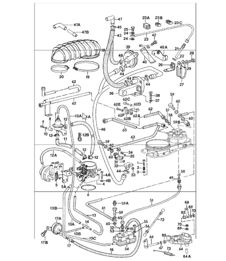
Air Intake Vacuum Units – Precision Airflow Control for Porsche Performance
Air intake vacuum units are critical components in your Porsche’s engine management and intake control systems. These units regulate airflow and vacuum pressure to ensure efficient combustion, smooth idling, and responsive throttle performance. They also assist with various engine functions, including actuator operation, flap control, and emissions regulation — maintaining the perfect balance of air and fuel for optimal performance.
At Design911, we stock a complete selection of genuine and high-quality air intake vacuum units for models such as the Porsche 911, Boxster, Cayman, Cayenne, Macan, and Panamera models. Each part is engineered for durability, precision, and seamless integration, helping to maintain your Porsche’s performance, reliability, and efficiency.
What Do Air Intake Vacuum Units Do?
The air intake vacuum unit controls and stabilises airflow
within the engine’s intake system. Its key functions include:
- Regulating
vacuum pressure for intake flap and actuator control.
- Optimising
air distribution to improve torque and efficiency.
- Assisting
in emissions management by adjusting airflow dynamically.
- Supporting smooth transitions between load conditions and throttle positions.
By ensuring consistent vacuum pressure, these units help your Porsche’s engine breathe efficiently — resulting in refined performance and enhanced driveability.
Why Do Air Intake Vacuum Units Fail?
Due to constant exposure to heat, vibration, and fluctuating
pressures, vacuum units can deteriorate over time. Common causes of failure
include:
- Vacuum
leaks caused by cracked housings or brittle hoses.
- Internal
diaphragm wear reducing vacuum control efficiency.
- Heat
damage from prolonged engine operation.
- Corrosion
or contamination affecting valves or connections.
- Age-related material fatigue or mechanical sticking.
Symptoms of a failing vacuum unit include rough idle, loss of low-end torque, poor throttle response, check engine light, or erratic intake flap operation.
Why Replace a Faulty Air Intake Vacuum Unit?
A malfunctioning vacuum unit can disrupt airflow and air-fuel ratios, leading to reduced performance and increased emissions. Replacing worn or damaged units ensures consistent vacuum regulation and reliable engine operation.
Benefits of replacement include:
- Restored intake control and throttle response.
- Improved fuel efficiency and combustion balance.
- Enhanced power delivery and smoother idle.
- Long-term durability with manufacturer-quality materials.
All air intake vacuum units available at Design911 are built from high-grade materials and precision-engineered components designed to withstand high temperatures and pressures — ensuring dependable performance in all driving conditions.



Montag bis Freitag: 8:30–17:30 Uhr (GMT) Samstag: Geschlossen Sonntag: Geschlossen