





Enter your VAT number here and click Verify:
Your details have been verified. VAT number registered to:
,
.
Your order will now be zero rated for VAT purposes. We reserve the right to verify these details after your order request has been made and reinstate VAT if required.
Your VAT details were not recognised or were invalid. Your VAT number must be matched to your Billing Country as specified above. This is currently specified as . You do not need to enter the country code part of your VAT number as this has already been selected in your billing address details above.
The VAT number checking service is currently offline. Please supply your VAT details within the comments or special instructions field below and we will apply a VAT discount after placing your order request.

- Accessories
- Brakes
- Chassis / Bodywork
- Clothing & Gifts
- Electrical & Relays
- Engine Cooling
- Engine Electrical
- Engine Rebuild Parts
- Engine Tuning
- Exhausts
- Exterior Styling / Spoilers
- Gearbox / Transmission
- Heating / Air Conditioning
- Hydraulics
- Incar / Multimedia
- Interior & Accessories
- Lighting
- Mats & Carpets
- Motorsport and Off-Road
- Parts for Other Cars
- Pedal Cluster
- Rubber Seals
- Seats & Seat Belts
- Service Parts
- Special Offer Parts
- Steering Parts
- Suspension & Axle
- Suspension Upgrades
- Tyres
- Wheel Accessories
- Wheels
Specialist Tools
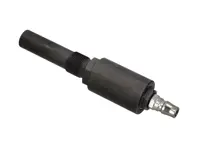

Timing Chain Tensioner Tool – Essential Tool for Accurate Camshaft Timing Setup
This timing chain tensioner tool is engineered for
use on Porsche 955 and 958 Cayenne as well as the Porsche 970
Panamera, providing precise control over chain tension during camshaft
timing procedures. Designed to deliver the correct tension on the primary
timing chain, this tool ensures stable and accurate camshaft alignment while
performing timing chain replacement, camshaft servicing, cylinder-head repairs,
or full engine rebuilds.
Fits:
Accurate timing chain tension is critical for Porsche’s high-performance V6 and V8 engines. Without the correct tension, cam timing can drift—leading to misfires, VVT faults, power loss, and even severe engine damage. This specialised tensioner tool guarantees consistent and professional timing accuracy on every job.
What the Timing Chain Tensioner Tool Does
This tool is used to:
- Apply
precise tension to the primary timing chain during service
- Prevent
camshaft movement while setting or adjusting timing
- Support
accurate alignment of camshafts and crankshaft
- Ensure correct chain slack and tension for VVT operation
- Improve
safety and consistency during timing chain and guide replacement
- Provide stable positioning for professional engine rebuilds
By replicating operational chain tension, the tool ensures timing is set exactly where the engine expects it to be.
Why Timing Chain Systems Fail on Porsche Cayenne & Panamera Engines
Timing chain issues on Porsche V6/V8 engines often arise due
to:
- Chain
stretch from heat and high mileage
- Worn
chain guides or rails creating slack or drift
- Tensioner
fatigue, particularly on older models
- VVT
cam phaser wear, affecting timing angles
- Oil
sludge or low lubrication, reducing tensioner effectiveness
- Incorrect chain tension during previous servicing
- Thermal expansion causing chain elongation
Symptoms include timing rattle, hesitation, fault codes, poor performance, and rough idle.
Why You Should Replace or Use a Precision Timing Chain Tensioner Tool
Using a high-quality timing chain tensioner tool ensures:
- Accurate timing chain tension during setup
- Correct
camshaft alignment, preventing timing deviation
- Protection against piston-to-valve interference
- Proper VVT system calibration
- Reduced risk of long-term engine damage
- Professional,
repeatable results during timing and rebuild work
- Confidence when servicing complex Porsche engines
This tool is essential for any workshop performing timing chain or camshaft repairs on modern Porsche Cayenne and Panamera engines.
- Porsche 955 Cayenne Turbo 4.5L 2003-06
- Porsche 955 Cayenne Turbo S 4.5L 2006>>
- Porsche 957 Cayenne S / GTS 4.8L 2007-10
- Porsche 957 Cayenne Turbo / Turbo S 4.8L 2007-10
- Porsche 958 Cayenne S V8 4.8L Petrol (400Hp) 2010-17
- Porsche 958 Cayenne GTS V8 4.8L Petrol (400Hp) 2010-17
- Porsche 958 Cayenne Turbo V8 4.8L Petrol (500Hp) 2010-17
- Porsche 958 Cayenne Turbo S V8 4.8L Petrol (550Hp) 2010-17
- Porsche 970.1 Panamera V6 3.6L 2WD 2009-13
- Porsche 970.1 Panamera 4 V6 3.6L 4WD 2009-13
- Porsche 970.1 Panamera S V8 4.8L 2009-13
- Porsche 970.1 Panamera 4S V8 4.8L 2009-13
- Porsche 970.1 Panamera GTS V8 4.8L 2011-13
- Porsche 970.1 Panamera Turbo V8 4.8L 2009-13
- Porsche 970.1 Panamera Turbo S V8 4.8L 2009-13
- Porsche 970.2 Panamera V6 3.6L 2WD (310Hp) 2014-16
- Porsche 970.2 Panamera 4 V6 3.6L 4WD (310Hp) 2014-16
- Porsche 970.2 Panamera GTS V8 4.8L 4WD (440Hp) 2014-16
- Porsche 970.2 Panamera Turbo V8 4.8L (520Hp) 2014-16
- Porsche 970.2 Panamera Turbo V8 Executive 2014-16
- Porsche 970.2 Panamera Turbo S V8 4.8L 2014-16
 Shop Securely
 12 Month Warranty
 Worldwide Delivery
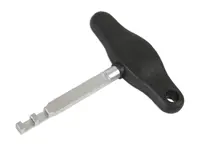

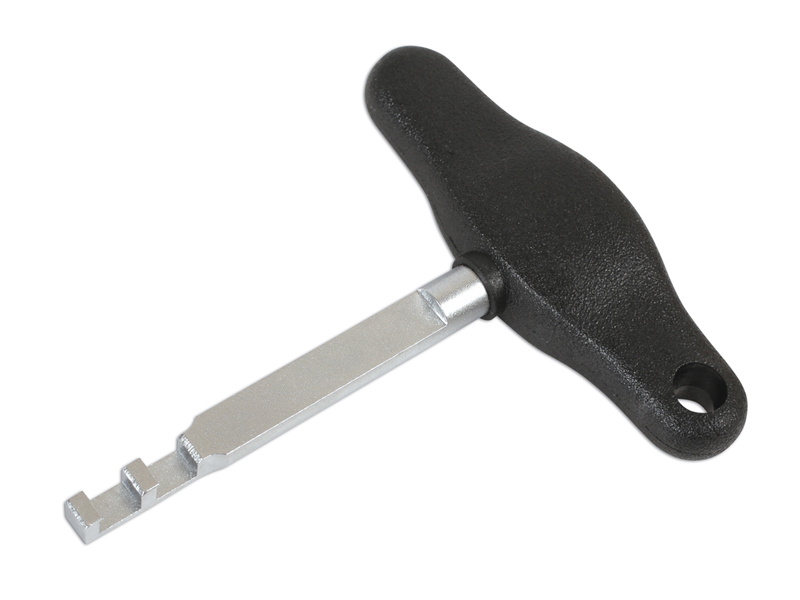
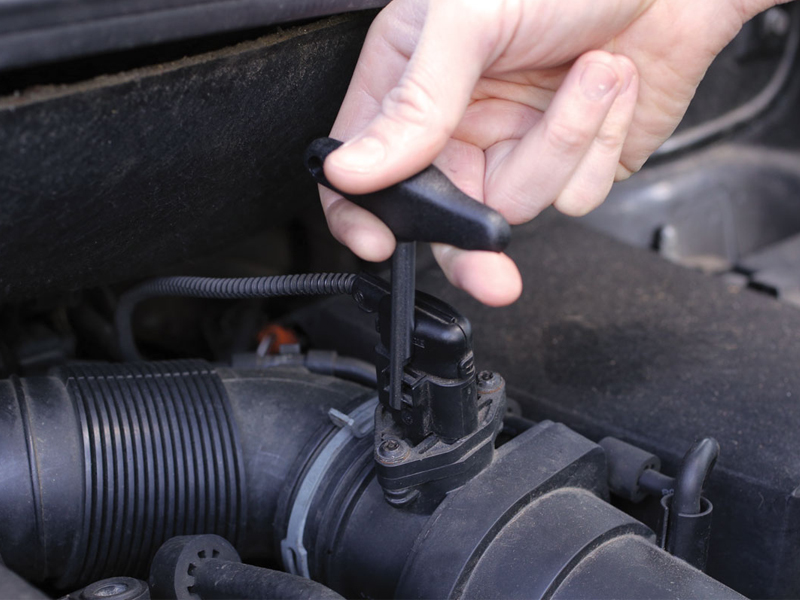
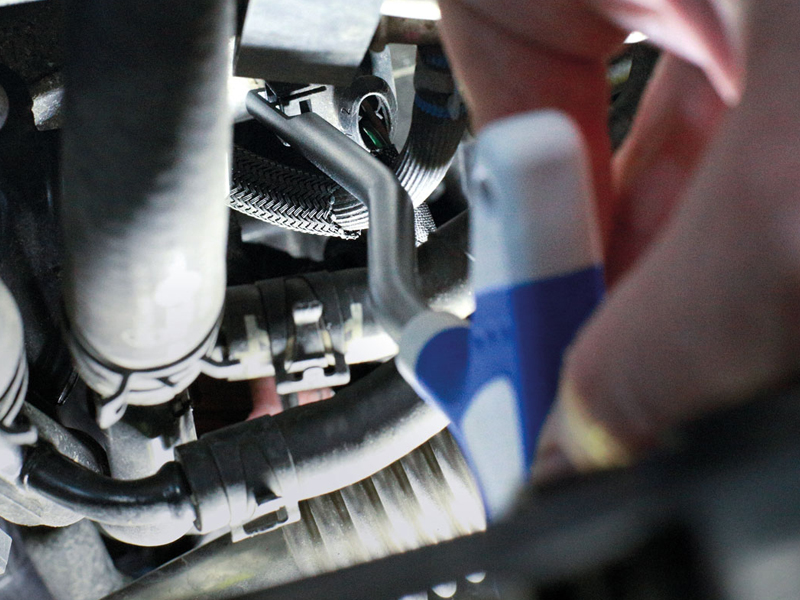
For the removal of VAG & Porsche push and pull connectors.
• For the removal of VAG and Porsche connectors.
• Connectors are found on MAF sensors, coil packs, headlights, fog lights, level sensors, map sensors etc.
• Fits directly onto the push and pull connectors.
• Black plastic handle for easy grip.
Related reference numbers
Related, superseded, cross reference or alternative numbers for comparison.
6547
The product you are viewing cross references to these numbers
Shop Securely
12 Month Warranty
Worldwide Delivery
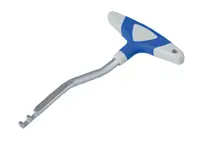
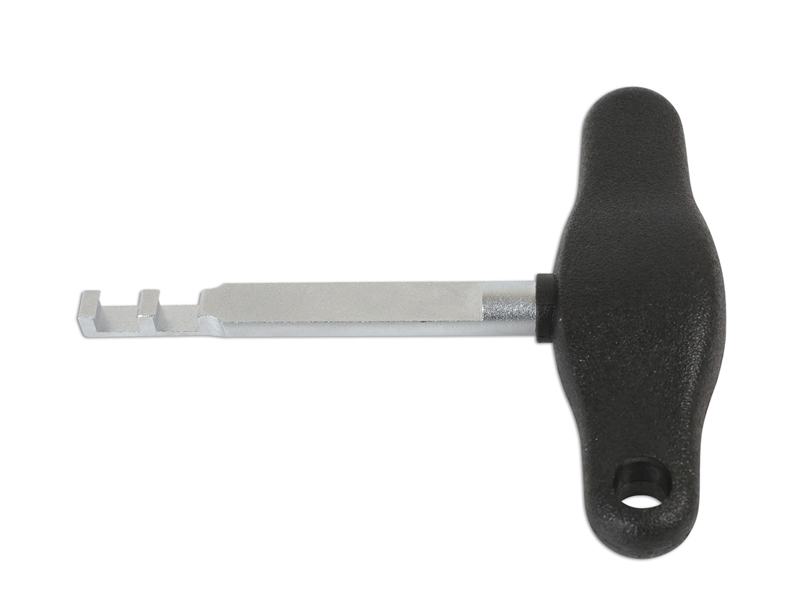
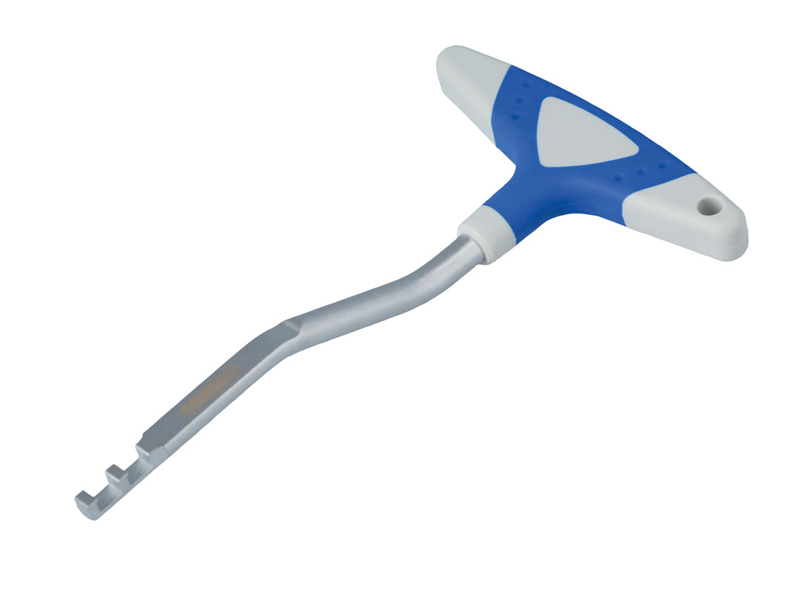
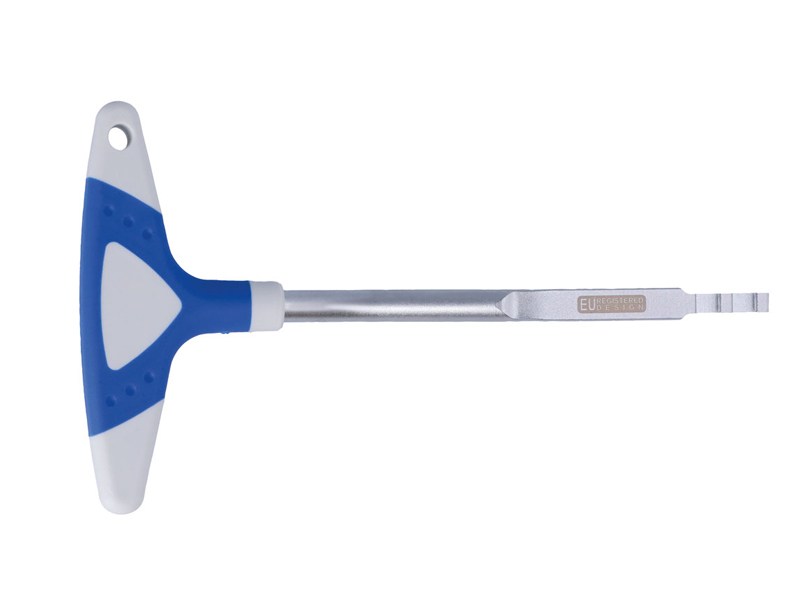
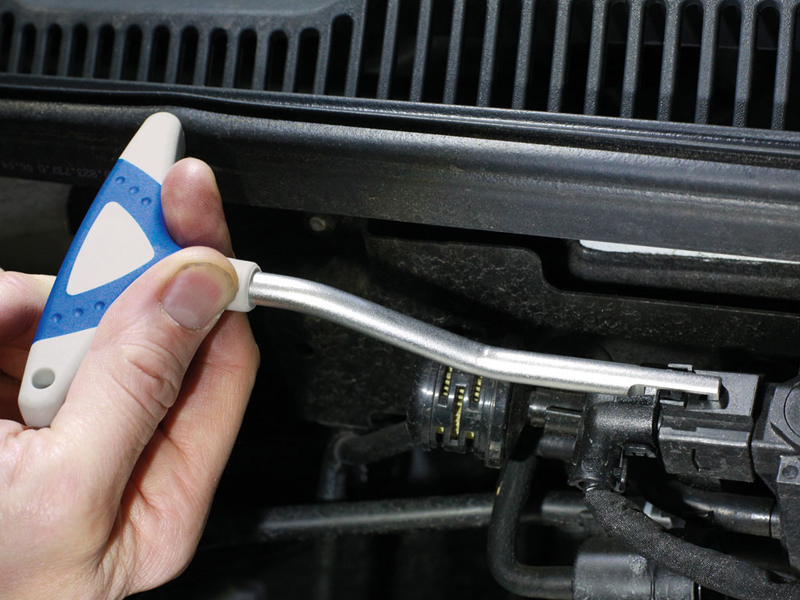
For the removal of VAG and Porsche connectors found on MAF sensors, coil packs, headlights, fog lights, level sensors, map sensors etc.
• Fits directly on to the push and pull connectors and opens the locking tabs as pressure is applied.
• Applications include MAF sensors, coil packs, MAP sensors, CPS sensors and light connectors.
• Soft grip T-handle.
• 20mm offset head, 160mm long. EU Registered Design.
Related reference numbers
Related, superseded, cross reference or alternative numbers for comparison.
7859
The product you are viewing cross references to these numbers
Shop Securely
12 Month Warranty
Worldwide Delivery

Crankshaft Pulley Holding Wrench for 4.8ltr V8 M48 – Essential Tool for High-Torque Pulley Removal and Installation
This crankshaft pulley holding wrench is engineered
specifically for the Porsche 957 and 958 Cayenne, as well as the Panamera
970.1 and 970.2, equipped with the powerful 4.8-litre V8 M48 engine.
Designed to withstand the exceptionally high torque required to loosen or
tighten the crankshaft pulley bolt, this tool securely locks the pulley in
place, preventing unwanted crankshaft rotation during critical engine service
procedures.
Fits:
- Porsche 957 Cayenne S/GTS 4.8L 2007-10
- Porsche 957 Cayenne Turbo / Turbo S 4.8L 2007-10
- Porsche 958 Cayenne GTS V8 4.8L Petrol 400HP 2010-17
- Porsche 958 Cayenne Turbo V8 4.8L Petrol 500HP 2010-17
- Porsche 958 Cayenne Turbo S V8 4.8L Petrol 550HP 2010-17
- Porsche 970.1 Panamera S V8 4.8L 2009-13
- Porsche 970.1 Panamera 4S V8 4.8L 2009-13
- Porsche 970.1 Panamera GTS V8 4.8L 2011-13
- Porsche 970.1 Panamera Turbo V8 4.8L 2009-13
- Porsche 970.1 Panamera Turbo S V8 4.8L 2009-13
- Porsche 970.2 Panamera GTS V8 4.8L 4WD (440Hp) 2014-16
- Porsche 970.2 Panamera Turbo V8 4.8L (520Hp) 2014-16
- Porsche 970.2 Panamera Turbo V8 Executive 2014-16
- Porsche 970.2 Panamera Turbo S V8 4.8L 2014-16
On the M48 engine, the crank pulley drives major accessories and plays an essential role in engine timing and vibration control. Removing its centre bolt without the proper holding tool can damage the pulley, slip the timing, or overload internal components. This precision wrench ensures safe, stable and controlled operation during pulley removal or installation.
What This Crankshaft Pulley Holding Wrench Does
This specialised tool allows technicians to:
- Lock
the crankshaft pulley securely during high-torque bolt removal
- Prevent
crankshaft rotation, protecting timing components
- Support
accurate torque application during reinstallation
- Eliminate
risk of pulley damage from slipping or improper leverage
- Assist with front seal replacement, engine rebuilds and timing service
- Work safely on V8 engines with tight access and significant rotational force
Indispensable for anyone servicing the M48 engine.
Suitable for all 4.8-litre V8 M48 engine applications.
Why Crankshaft Pulleys Become Problematic on M48 Engines
The V8 M48 engine is known for:
- Extremely
tight crank pulley bolts, often exceeding standard tool capability
- Heat
cycling, causing bolts to seize or threads to bind
- Wear
in the rubber damper, requiring periodic pulley replacement
- High
torsional loads from large displacement and performance tuning
- Corrosion on the crank nose or pulley hub
- Previous incorrect servicing, leading to bolt over-tightening or rounding
A dedicated holding wrench eliminates service-related risks.
Why You Should Replace or Upgrade Your Crankshaft Holding Tool
A precision pulley holding wrench ensures:
- Safe, damage-free crank pulley removal
- Proper torque accuracy for engine longevity
- Reduced risk of timing misalignment
- Superior leverage with no slippage
- Protection for costly crankshaft and pulley components
- Professional results for workshop and enthusiast use
Worn or universal tools often slip, bend or fail under the high loads of M48 pulley service.
- Porsche 957 Cayenne S / GTS 4.8L 2007-10
- Porsche 957 Cayenne Turbo / Turbo S 4.8L 2007-10
- Porsche 958 Cayenne GTS V8 4.8L Petrol (400Hp) 2010-17
- Porsche 958 Cayenne Turbo V8 4.8L Petrol (500Hp) 2010-17
- Porsche 958 Cayenne Turbo S V8 4.8L Petrol (550Hp) 2010-17
- Porsche 970.1 Panamera S V8 4.8L 2009-13
- Porsche 970.1 Panamera 4S V8 4.8L 2009-13
- Porsche 970.1 Panamera GTS V8 4.8L 2011-13
- Porsche 970.1 Panamera Turbo V8 4.8L 2009-13
- Porsche 970.1 Panamera Turbo S V8 4.8L 2009-13
- Porsche 970.2 Panamera GTS V8 4.8L 4WD (440Hp) 2014-16
- Porsche 970.2 Panamera Turbo V8 4.8L (520Hp) 2014-16
- Porsche 970.2 Panamera Turbo V8 Executive 2014-16
- Porsche 970.2 Panamera Turbo S V8 4.8L 2014-16
Shop Securely
12 Month Warranty
Worldwide Delivery
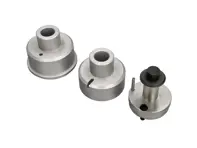
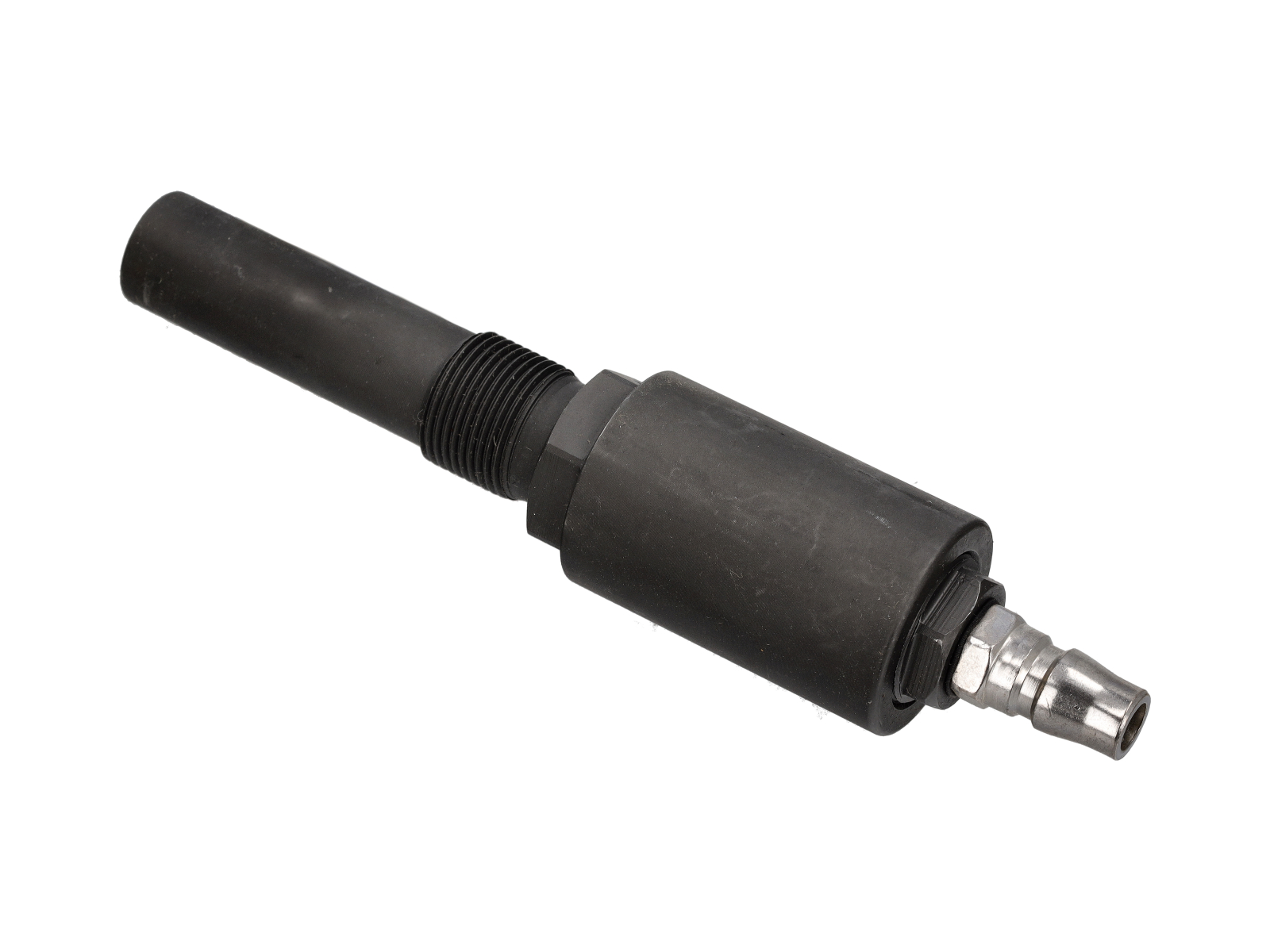
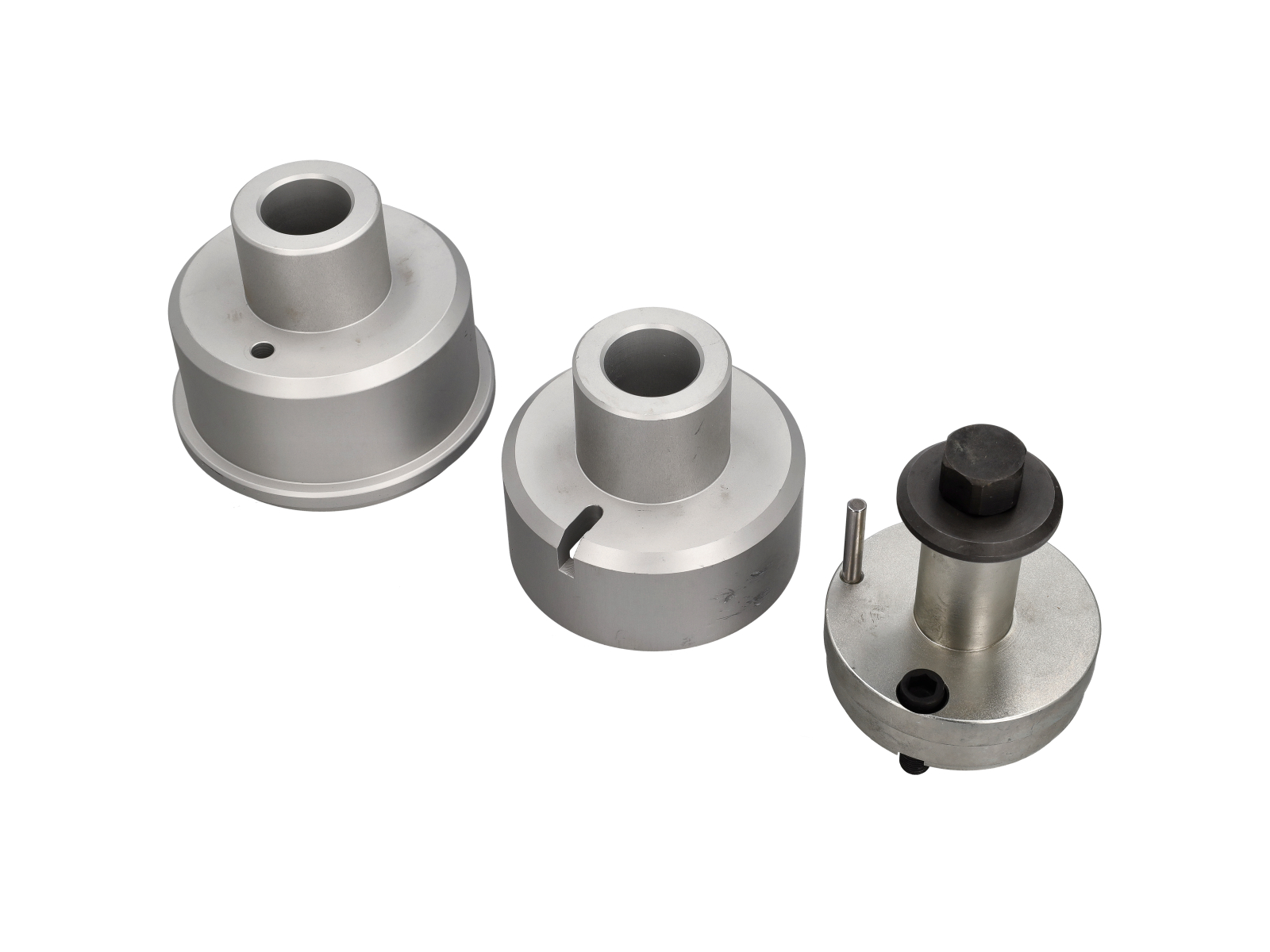
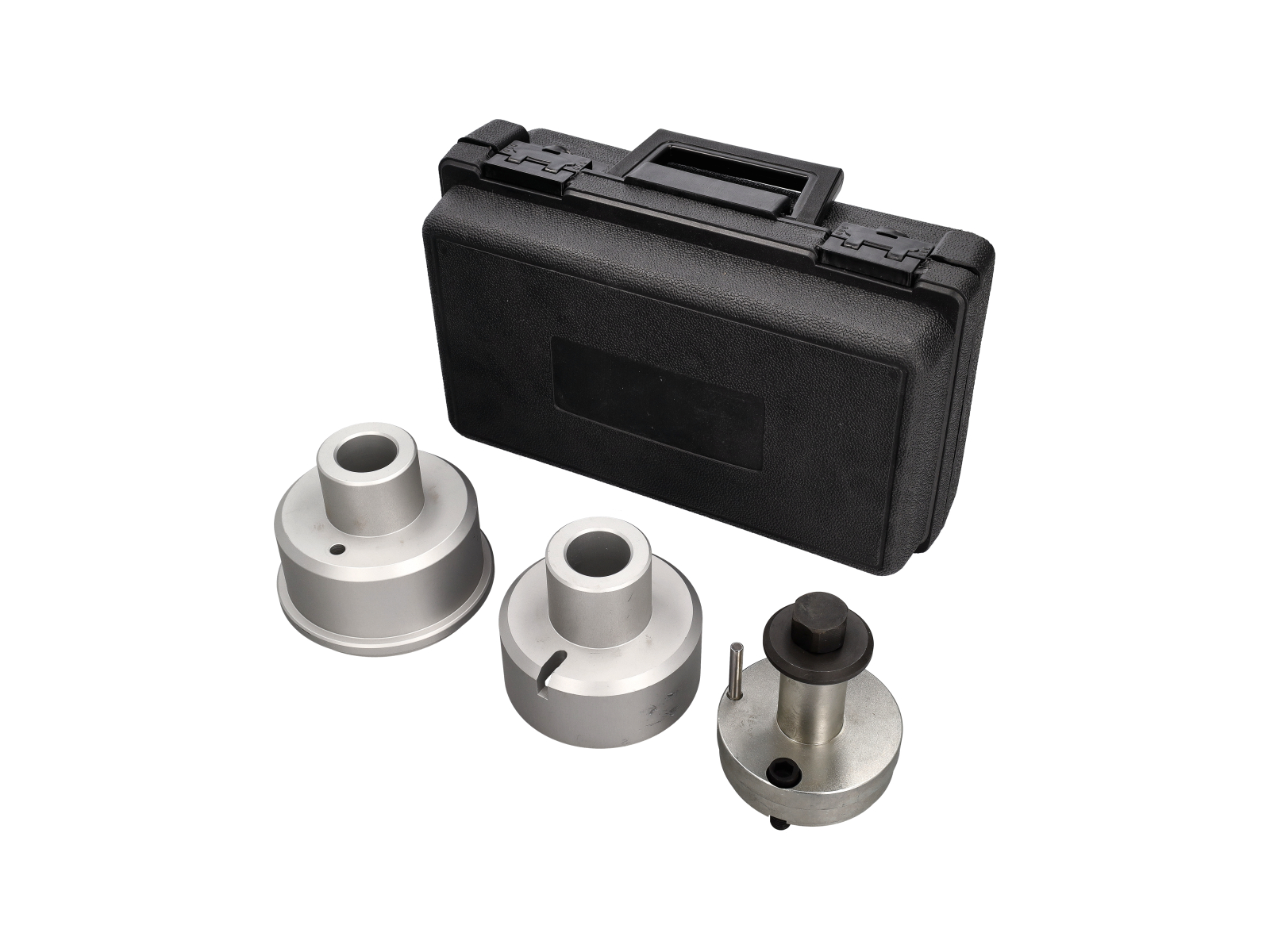
Crankshaft Oil Seal Fitting Tool – Precision Installer for Rear & Front Main Seals
This crankshaft oil seal fitting tool is designed to accurately install rear and front crankshaft seals on modern Porsche engines found in the 95B Macan, 970/971 Panamera, and 9YA Cayenne model ranges.
Fits:
- Porsche 958 Cayenne V6 3.6L Petrol 300Hp 2010-17
- Porsche 958 Cayenne S V8 4.8L Petrol 400HP 2010-17
- Porsche 958 Cayenne GTS V8 4.8L Petrol 400HP 2010-17
- Porsche 958 Cayenne Turbo V8 4.8L Petrol 500HP 2010-17
- Porsche 958 Cayenne Turbo S V8 4.8L Petrol 550HP 2010-17
- Porsche 9YA Cayenne V6 3.0L Petrol 340Hp 2018-23
- Porsche 9YA Cayenne Coupe V6 3.0L Petrol 340Hp 2019-23
- Porsche 9YA Cayenne E-Hybrid V6 3.0L V6 340Hp 2018-23
- Porsche 9YA.2 Cayenne V6 3.0L Petrol 353Hp 2023>>
- Porsche 9YA.2 Cayenne Coupe V6 3.0L 353Hp 2023>>
- Porsche 970.1 Panamera V6 3.6L 2WD 2009-13
- Porsche 970.1 Panamera 4 V6 3.6L 4WD 2009-13
- Porsche 970.1 Panamera S V8 4.8L 2009-13
- Porsche 970.1 Panamera 4S V8 4.8L 2009-13
- Porsche 970.1 Panamera GTS V8 4.8L 2011-13
- Porsche 970.1 Panamera Turbo V8 4.8L 2009-13
- Porsche 970.1 Panamera Turbo S V8 4.8L 2009-13
- Porsche 970.2 Panamera V6 3.6L 2WD (310Hp) 2014-16
- Porsche 970.2 Panamera 4 V6 3.6L 4WD (310Hp) 2014-16
- Porsche 970.2 Panamera S V6 Turbo 3.0L 2WD (420Hp) 2014-16
- Porsche 970.2 Panamera S V6 Turbo 3.0L 2WD Executive 2014-16
- Porsche 970.2 Panamera 4S V6 Turbo 3.0L 4WD (420Hp) 2014-16
- Porsche 970.2 Panamera 4S V6 Turbo 3.0L 4WD Executive 2014-16
- Porsche 970.2 Panamera GTS V8 4.8L 4WD (440Hp) 2014-16
- Porsche 970.2 Panamera Turbo V8 4.8L (520Hp) 2014-16
- Porsche 970.2 Panamera Turbo V8 Executive 2014-16
- Porsche 970.2 Panamera Turbo S V8 4.8L 2014-16
- Porsche 971.1 Panamera V6 3.0L 2WD (330 Hp) 2017-20
- Porsche 971.1 Panamera 4 V6 3.0L 4WD (330 Hp) 2017-20
- Porsche 971.1 Panamera 4 V6 3.0L 4WD Executive 2017-20
- Porsche 971.1 Panamera 4 3.0L Turbocharged V6 Sport Turismo 2017-20
- Porsche 971.1 Panamera 4S V6 3.0L 4WD (440 Hp) 2017-20
- Porsche 971.1 Panamera 4S V6 3.0L 4WD Executive 2017-20
- Porsche 95B.1 Macan S Petrol 3.0L V6 340Bhp 2014-18
- Porsche 95B.1 Macan GTS Petrol 3.0L V6 360Bhp 2014-18
- Porsche 95B.1 Macan Turbo 3.6L V6 400Bhp 2014-18
- Porsche 95B.2 Macan S Petrol 3.0L V6 354Bhp 2019-21
Manufactured to match the exact size, depth and alignment required for Porsche’s advanced crankshaft sealing systems—especially those on EA839 V6/V8 engines—this tool ensures the seal is pressed in square, flush and damage-free.
Crankshaft oil seals play a critical role in maintaining oil pressure and preventing external leaks. Incorrect installation can lead to premature seal failure, oil loss, crankcase contamination and even engine damage. This precision tool guarantees correct seating every time, making it essential for both workshops and skilled home technicians.
What This Crankshaft Oil Seal Fitting Tool Does
This tool allows you to:
- Press-fit
crankshaft oil seals to the exact depth required
- Ensure
perfect alignment with the crankshaft journal
- Prevent seal distortion, tearing or over-compression
- Avoid leaks caused by uneven or incorrect installation
- Speed
up seal replacement during timing, rebuild or engine-out work
- Support both front crank seal and rear main seal installation
Designed specifically for tight tolerances and sealing profiles used in Porsche’s modern engines.
Why Crankshaft Oil Seals Fail on Porsche Engines
Crankshaft seals can fail prematurely due to:
- Incorrect installation without a precision fitting tool
- Heat cycles causing seal hardening
- Crankcase pressure fluctuations
- Worn or unbalanced crankshaft surfaces
- Oil
contamination damaging the sealing lip
- Driving conditions causing thermal expansion and contraction
- Age-related seal shrinkage
Replacing the seal without the proper tool risks leaks, vibration and costly repeat repairs.
Why You Should Use or Replace With a Dedicated Seal Fitting Tool
A purpose-designed crankshaft seal installer ensures:
- Perfect, damage-free seal installation
- Correct seating depth for long-term leak prevention
- Even pressure application across the seal’s surface
- No risk of cocking, bending or rolling the sealing lip
- Professional-level
accuracy during engine servicing
- Improved reliability in high-performance EA839 engines
Replacing worn or poorly machined tools prevents misalignment and sealing failures.
- Porsche 958 Cayenne V6 3.6L Petrol (300Hp) 2010-17
- Porsche 958 Cayenne S V8 4.8L Petrol (400Hp) 2010-17
- Porsche 958 Cayenne GTS V8 4.8L Petrol (400Hp) 2010-17
- Porsche 958 Cayenne Turbo V8 4.8L Petrol (500Hp) 2010-17
- Porsche 958 Cayenne Turbo S V8 4.8L Petrol (550Hp) 2010-17
- Porsche 9YA Cayenne V6 3.0L Petrol (340Hp) 2018-23
- Porsche 9YA Cayenne Coupe V6 3.0L Petrol (340Hp) 2019-23
- Porsche 9YA Cayenne E-Hybrid V6 3.0L V6 (340Hp) 2018-23
- Porsche 9YA.2 Cayenne V6 3.0L Petrol (353Hp) 2023>>
- Porsche 9YA.2 Cayenne Coupe V6 3.0L (353Hp) 2023>>
- Porsche 970.1 Panamera V6 3.6L 2WD 2009-13
- Porsche 970.1 Panamera 4 V6 3.6L 4WD 2009-13
- Porsche 970.1 Panamera S V8 4.8L 2009-13
- Porsche 970.1 Panamera 4S V8 4.8L 2009-13
- Porsche 970.1 Panamera GTS V8 4.8L 2011-13
- Porsche 970.1 Panamera Turbo V8 4.8L 2009-13
- Porsche 970.1 Panamera Turbo S V8 4.8L 2009-13
- Porsche 970.2 Panamera V6 3.6L 2WD (310Hp) 2014-16
- Porsche 970.2 Panamera 4 V6 3.6L 4WD (310Hp) 2014-16
- Porsche 970.2 Panamera S V6 Turbo 3.0L 2WD (420Hp) 2014-16
- Porsche 970.2 Panamera S V6 Turbo 3.0L 2WD Executive 2014-16
- Porsche 970.2 Panamera 4S V6 Turbo 3.0L 4WD (420Hp) 2014-16
- Porsche 970.2 Panamera 4S V6 Turbo 3.0L 4WD Executive 2014-16
- Porsche 970.2 Panamera GTS V8 4.8L 4WD (440Hp) 2014-16
- Porsche 970.2 Panamera Turbo V8 4.8L (520Hp) 2014-16
- Porsche 970.2 Panamera Turbo V8 Executive 2014-16
- Porsche 970.2 Panamera Turbo S V8 4.8L 2014-16
- Porsche 971.1 Panamera V6 3.0L 2WD (330 Hp) 2017-20
- Porsche 971.1 Panamera 4 V6 3.0L 4WD (330 Hp) 2017-20
- Porsche 971.1 Panamera 4 V6 3.0L 4WD Executive 2017-20
- Porsche 971.1 Panamera 4 3.0L Turbocharged V6 Sport Turismo 2017-20
- Porsche 971.1 Panamera 4S V6 3.0L 4WD (440 Hp) 2017-20
- Porsche 971.1 Panamera 4S V6 3.0L 4WD Executive 2017-20
- Porsche 95B.1 Macan S Petrol 3.0L V6 (340Bhp) 2014-18
- Porsche 95B.1 Macan GTS Petrol 3.0L V6 (360Bhp) 2014-18
- Porsche 95B.1 Macan Turbo 3.6L V6 (400Bhp) 2014-18
- Porsche 95B.2 Macan S Petrol 3.0L V6 (354Bhp) 2019-21
Shop Securely
12 Month Warranty
Worldwide Delivery
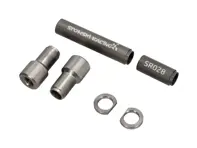


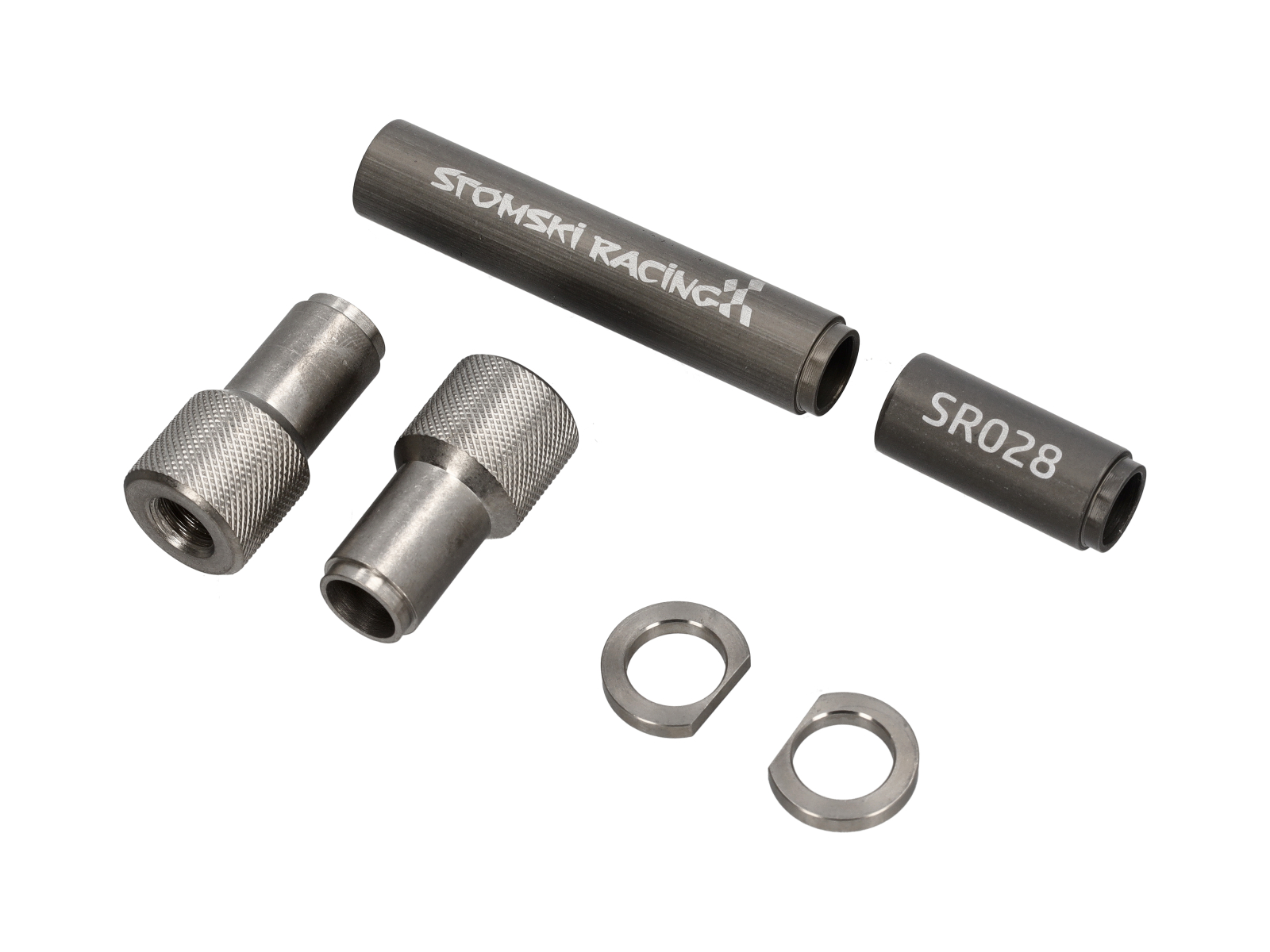
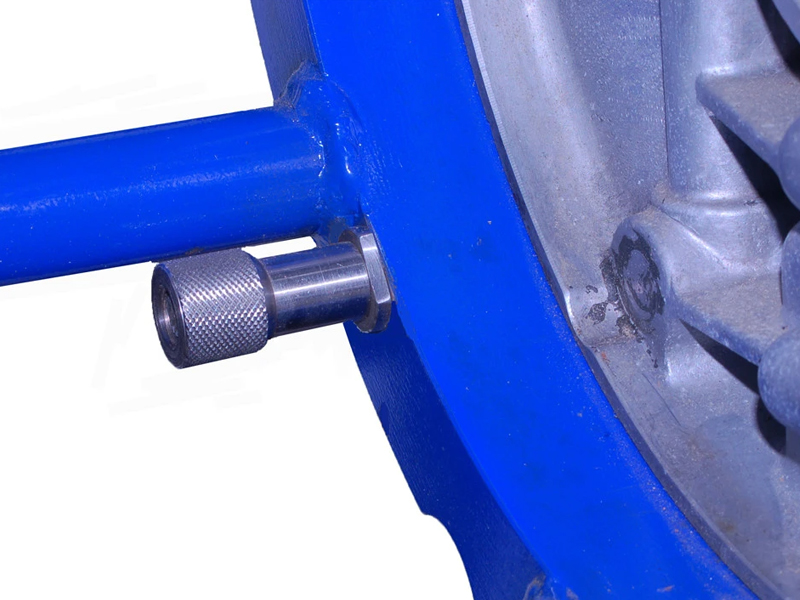
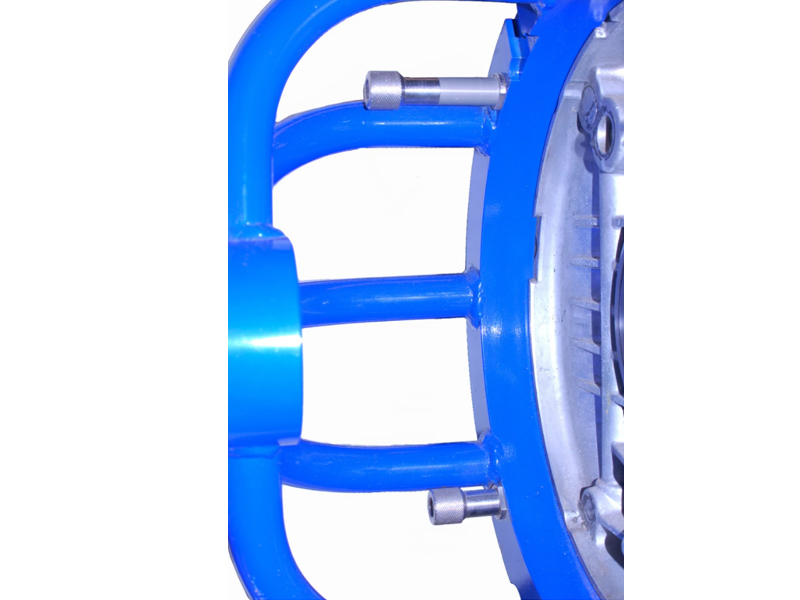
Finally an elegant way to secure your engine to the engine yoke. No need for sockets, washers, and oversized nuts to take up slack. Use these knurled nuts and adapters to mount the different length case studs to the yoke. These adapters allow clearance for mounting the clutch. Hard-coated aluminum and stainless steel for years of service.
Shop Securely
12 Month Warranty
Worldwide Delivery
.jpg?width=197&height=148&format=webp "PDK Gearbox Casing Removal Tool Set. Porsche 987.2 / 981 / 718 / 997.2 / 991 / 970 Panamera - C4017")
PDK Gearbox Casing Removal Tool Set – Precision Tools for Porsche Dual-Clutch Transmission Disassembly
This PDK gearbox casing removal tool set is designed for
professional servicing, disassembly, and repair of Porsche’s advanced PDK
dual-clutch transmission. Engineered for precision, strength and reliability,
this tool set allows technicians to safely and efficiently separate the
transmission casing without damaging mating surfaces, seals, or internal
components.
Fits:
- Porsche Boxster 987 MKII 2.9L 2009-2012
- Porsche Boxster S 987 MKII 3.4L 2009-2012
- Porsche Boxster 981 2.7L 2012-16
- Porsche Boxster 981 S / GTS 3.4L 2012-16
- Porsche Boxster 718 2.0L PDK (300 Bhp)
- Porsche Boxster S 718 2.5L PDK (350 Bhp)
- Porsche Boxster T 718 2.0L PDK (300 Bhp)
- Porsche Boxster GTS 718 2.5L PDK (365 Bhp)
- Porsche Boxster GTS 718 4.0L PDK (400 Bhp)
- Porsche Boxster Spyder 718 4.0L (420 Bhp)
- Porsche Boxster 25 Years 718 4.0L PDK (400 Bhp)
- Porsche 997 MKII Carrera C2 3.6L 2009-12
- Porsche 997 MKII Carrera C4 3.6L 2009-12
- Porsche 997 MKII Carrera C2S 3.8L 2009-12
- Porsche 997 MKII Carrera C4S 3.8L 2009-12
- Porsche 997 MKII Turbo 2010-13
- Porsche 991.1 Carrera C2 3.4L (350Bhp) 2012-16
- Porsche 991.1 Carrera C2S 3.8L (400Bhp) 2012-16
- Porsche 991.1 Carrera C4 3.4L (350Bhp) 2012-16
- Porsche 991.1 Carrera C4S 3.8L (400Bhp) 2012-16
- Porsche 991.1 Turbo 3.8L (520bhp) 2014-16
- Porsche 991.1 Turbo S 3.8L (560Bhp) 2014-16
- Porsche 991.1 R 4.0L (500 Bhp) 2016
- Porsche 991.2 Carrera 2 3.0L (370 Bhp) 2016-19
- Porsche 991.2 Carrera 2S 3.0L (420 Bhp) 2016-19
- Porsche 991.2 Carrera 4 3.0L (370 Bhp) 2016-19
- Porsche 991.2 Carrera 4S 3.0L (420 Bhp) 2016-19
- Porsche 991.2 Cabriolet 2 3.0L (370 Bhp) 2016-19
- Porsche 991.2 Cabriolet 2S 3.0L (420 Bhp) 2016-19
- Porsche 991.2 Cabriolet 4 3.0L (370 Bhp) 2016-19
- Porsche 991.2 Cabriolet 4S 3.0L (420 Bhp) 2016-19
- Porsche 991.2 Targa 4 3.0L (370 Bhp) 2016-19
- Porsche 991.2 Targa 4S 3.0L (420 Bhp) 2016-19
- Porsche 991.2 Turbo Coupe 3.8L (540 Bhp) 2016-19
- Porsche 991.2 Turbo S Coupe 3.8L (580 Bhp) 2016-19
- Porsche 991.2 Turbo Cabriolet 3.8L (540 Bhp) 2016-19
- Porsche 991.2 Turbo S Cabriolet 3.8L (580 Bhp) 2016-19
- Porsche 991.2 Speedster 4.0L (510Bhp) 2019
- Porsche 991.2 GT3 4.0L (500 Bhp) / GT3 RS 4.0L (520 Bhp) 2017-19
- Porsche 991.2 GT2 RS 3.8L PDK (700 bhp) 2018-19
- Porsche Cayman 2.9L 987C MKII 2009-12
- Porsche Cayman S / R 3.4L 987C MKII 2009-12
- Porsche Cayman 2.7L 981 2013-16
- Porsche Cayman S / GTS 3.4L 981 2013-16
- Porsche Cayman 718 2.0L PDK (300Bhp)
- Porsche Cayman S 718 2.5L PDK (350Bhp)
- Porsche Cayman T 718 2.0L PDK (300 Bhp)
- Porsche Cayman GTS 718 2.5L PDK (365 Bhp)
- Porsche Cayman GTS 718 4.0L PDK (400 Bhp)
- Porsche Cayman GT4 718 4.0L / GT4 RS 718 4.0L
- Porsche 970.1 Panamera 4 V6 3.6L 4WD 2009-13
- Porsche 970.1 Panamera S V8 4.8L 2009-13
- Porsche 970.1 Panamera 4S V8 4.8L 2009-13
- Porsche 970.1 Panamera GTS V8 4.8L 2011-13
- Porsche 970.1 Panamera Turbo V8 4.8L 2009-13
- Porsche 970.1 Panamera Turbo S V8 4.8L 2009-13
- Porsche 970.2 Panamera V6 3.6L 2WD (310Hp) 2014-16
- Porsche 970.2 Panamera 4 V6 3.6L 4WD (310Hp) 2014-16
- Porsche 970.2 Panamera S V6 Turbo 3.0L 2WD (420Hp) 2014-16
- Porsche 970.2 Panamera S V6 Turbo 3.0L 2WD Executive 2014-16
- Porsche 970.2 Panamera 4S V6 Turbo 3.0L 4WD (420Hp) 2014-16
- Porsche 970.2 Panamera 4S V6 Turbo 3.0L 4WD Executive 2014-16
- Porsche 970.2 Panamera GTS V8 4.8L 4WD (440Hp) 2014-16
- Porsche 970.2 Panamera Turbo V8 4.8L (520Hp) 2014-16
- Porsche 970.2 Panamera Turbo V8 Executive 2014-16
- Porsche 970.2 Panamera Turbo S V8 4.8L 2014-16
- Porsche Boxster S 718 2.5L PDK (350 Bhp)
- Porsche Boxster T 718 2.0L PDK (300 Bhp)
- Porsche Boxster GTS 718 2.5L PDK (365 Bhp)
- Porsche Boxster GTS 718 4.0L PDK (400 Bhp)
- Porsche Boxster Spyder 718 4.0L (420 Bhp)
- Porsche Boxster 25 Years 718 4.0L PDK (400 Bhp)
- Porsche 997 MKII Carrera C2 3.6L 2009-12
- Porsche 997 MKII Carrera C4 3.6L 2009-12
- Porsche 997 MKII Carrera C2S 3.8L 2009-12
- Porsche 997 MKII Carrera C4S 3.8L 2009-12
- Porsche 997 MKII Turbo 2010-13
- Porsche 991.1 Carrera C2 3.4L (350Bhp) 2012-16
- Porsche 991.1 Carrera C2S 3.8L (400Bhp) 2012-16
- Porsche 991.1 Carrera C4 3.4L (350Bhp) 2012-16
- Porsche 991.1 Carrera C4S 3.8L (400Bhp) 2012-16
- Porsche 991.1 Turbo 3.8L (520bhp) 2014-16
- Porsche 991.1 Turbo S 3.8L (560Bhp) 2014-16
- Porsche 991.1 R 4.0L (500 Bhp) 2016
- Porsche 991.2 Carrera 2 3.0L (370 Bhp) 2016-19
- Porsche 991.2 Carrera 2S 3.0L (420 Bhp) 2016-19
- Porsche 991.2 Carrera 4 3.0L (370 Bhp) 2016-19
- Porsche 991.2 Carrera 4S 3.0L (420 Bhp) 2016-19
- Porsche 991.2 Cabriolet 2 3.0L (370 Bhp) 2016-19
- Porsche 991.2 Cabriolet 2S 3.0L (420 Bhp) 2016-19
- Porsche 991.2 Cabriolet 4 3.0L (370 Bhp) 2016-19
- Porsche 991.2 Cabriolet 4S 3.0L (420 Bhp) 2016-19
- Porsche 991.2 Targa 4 3.0L (370 Bhp) 2016-19
- Porsche 991.2 Targa 4S 3.0L (420 Bhp) 2016-19
- Porsche 991.2 Turbo Coupe 3.8L (540 Bhp) 2016-19
- Porsche 991.2 Turbo S Coupe 3.8L (580 Bhp) 2016-19
- Porsche 991.2 Turbo Cabriolet 3.8L (540 Bhp) 2016-19
- Porsche 991.2 Turbo S Cabriolet 3.8L (580 Bhp) 2016-19
- Porsche 991.2 Speedster 4.0L (510Bhp) 2019
- Porsche 991.2 GT3 4.0L (500 Bhp) / GT3 RS 4.0L (520 Bhp) 2017-19
- Porsche 991.2 GT2 RS 3.8L PDK (700 bhp) 2018-19
- Porsche Cayman 2.9L 987C MKII 2009-12
- Porsche Cayman S / R 3.4L 987C MKII 2009-12
- Porsche Cayman 2.7L 981 2013-16
- Porsche Cayman S / GTS 3.4L 981 2013-16
- Porsche Cayman 718 2.0L PDK (300Bhp)
- Porsche Cayman S 718 2.5L PDK (350Bhp)
- Porsche Cayman T 718 2.0L PDK (300 Bhp)
- Porsche Cayman GTS 718 2.5L PDK (365 Bhp)
- Porsche Cayman GTS 718 4.0L PDK (400 Bhp)
- Porsche Cayman GT4 718 4.0L / GT4 RS 718 4.0L
- Porsche 970.1 Panamera 4 V6 3.6L 4WD 2009-13
- Porsche 970.1 Panamera S V8 4.8L 2009-13
- Porsche 970.1 Panamera 4S V8 4.8L 2009-13
- Porsche 970.1 Panamera GTS V8 4.8L 2011-13
- Porsche 970.1 Panamera Turbo V8 4.8L 2009-13
- Porsche 970.1 Panamera Turbo S V8 4.8L 2009-13
- Porsche 970.1 Panamera S Hybrid V6 3.0L 2011-13
- Porsche 970.2 Panamera V6 3.6L 2WD (310Hp) 2014-16
- Porsche 970.2 Panamera 4 V6 3.6L 4WD (310Hp) 2014-16
- Porsche 970.2 Panamera S V6 Turbo 3.0L 2WD (420Hp) 2014-16
- Porsche 970.2 Panamera S V6 Turbo 3.0L 2WD Executive 2014-16
- Porsche 970.2 Panamera 4S V6 Turbo 3.0L 4WD (420Hp) 2014-16
- Porsche 970.2 Panamera 4S V6 Turbo 3.0L 4WD Executive 2014-16
- Porsche 970.2 Panamera GTS V8 4.8L 4WD (440Hp) 2014-16
- Porsche 970.2 Panamera Turbo V8 4.8L (520Hp) 2014-16
- Porsche 970.2 Panamera Turbo V8 Executive 2014-16
- Porsche 970.2 Panamera Turbo S V8 4.8L 2014-16
- Porsche 970.2 Panamera S E-Hybrid V6 3.0L (416Hp) 2014-16
The Porsche Doppelkupplungsgetriebe (PDK) uses extremely tight tolerances, pressure-sealed housings and multi-stage clutch assemblies. Removing the gearbox casing requires uniform force, exact tool alignment and controlled removal methods—tasks that cannot safely be performed using improvised tools. This specialised tool set ensures the casing can be removed correctly and damage-free during gearbox rebuilding, clutch pack servicing, mechatronic unit replacement, or general transmission overhaul.
What This PDK Gearbox Casing Removal Tool Set Does
This professional tool kit enables:
Safe
and controlled separation of PDK gearbox halves
Protection
of casing surfaces and internal transmission components
Even
load distribution when lifting or pulling the housing
Correct
alignment when removing clutch housings or mechatronic covers
Prevention
of warping, cracking or seal damage
Faster,
cleaner gearbox teardown for repair or inspection
Essential for technicians performing in-depth PDK drivetrain
repairs.
Why PDK Gearbox Casings Are Difficult to Remove
The design of the PDK system makes the casing extremely
tight and dependent on precise tooling due to:
- High-pressure sealing surfaces
- Internal pre-loads created by clutch packs and shafts
- Precision dowels and mating surfaces that resist uneven force
- Bonded seals and gaskets requiring controlled removal
- Multi-stage clutch and gear assemblies that cannot tolerate misalignment
Attempting removal without the correct tools risks severe damage to the gearbox.
Why PDK Gearbox Casing Removal Tools Fail
Inferior or worn tools often fail due to:
- Soft metals bending under load
- Incorrect fitment, damaging the transmission housing
- Uneven force application, causing casing distortion
- Tool deformation during high-torque pulling
- Wear and fatigue from repeated workshop use
A failed tool can lead to cracked casings, damaged shafts, or misaligned components.
Why You Should Replace or Use a Dedicated PDK Casing Removal Tool Set
Using a precision tool set designed specifically for PDK
transmissions ensures:
- Safe gearbox disassembly without damage
- Correct application of force and alignment
- Faster, more efficient repair procedures
- Prevention of expensive gearbox housing replacement
- Professional results for workshop and rebuild environments
- Long-term durability from high-strength materials
This tool kit is essential for any technician or Porsche specialist working on PDK internals.
URL
Porsche PDK gearbox tool, PDK casing removal tool, Porsche transmission tool set, PDK housing removal kit, PDK disassembly tool, Porsche gearbox service tools, dual-clutch gearbox tools, Design911 PDK tools
PDK Gearbox Casing Removal Tool Set | Porsche PDK Transmission Disassembly Tools | Design911
Shop PDK gearbox casing removal tool sets at Design911. Precision tools for safe Porsche PDK transmission disassembly and repair.
- Porsche Boxster 987 MKII 2.9L 2009-12
- Porsche Boxster S 987 MKII 3.4L 2009-12
- Porsche Boxster 981 2.7L 2012-16
- Porsche Boxster 981 S / GTS 3.4L 2012-16
- Porsche Boxster 718 2.0L PDK (300 Bhp) 2017>>
- Porsche Boxster S 718 2.5L PDK (350 Bhp) 05/2017>>
- Porsche Boxster T 718 2.0L PDK (300 Bhp) 01/2019>>
- Porsche Boxster GTS 718 2.5L PDK (365 Bhp) 05/2017>>
- Porsche Boxster GTS 718 4.0L PDK (400 Bhp) 01/2019>>
- Porsche Boxster Spyder / Sypder RS 718 4.0L 01/2019>>
- Porsche Boxster 25 Years 718 4.0L PDK (400 Bhp) 01/2020>>
- Porsche 997 MKII Carrera C2 3.6L 2009-12
- Porsche 997 MKII Carrera C4 3.6L 2009-12
- Porsche 997 MKII Carrera C2S 3.8L 2009-12
- Porsche 997 MKII Carrera C4S 3.8L 2009-12
- Porsche 997 MKII Turbo 2010-13
- Porsche 991.1 Carrera C2 3.4L (350 Bhp) 2012-16
- Porsche 991.1 Carrera C2S / GTS 3.8L (400/430 Bhp) 2012-16
- Porsche 991.1 Carrera C4 3.4L (350 Bhp) 2012-16
- Porsche 991.1 Carrera C4S / GTS 3.8L (400/430 Bhp) 2012-16
- Porsche 991.1 Turbo 3.8L (520 Bhp) 2014-16
- Porsche 991.1 Turbo S 3.8L (560 Bhp) 2014-16
- Porsche 991.1 R 4.0L (500 Bhp) 2016
- Porsche 991.2 Carrera 2 3.0L (370 Bhp) 2016-19
- Porsche 991.2 Carrera 2S / GTS 3.0L (420/450 Bhp) 2016-19
- Porsche 991.2 Carrera 4 3.0L (370 Bhp) 2016-19
- Porsche 991.2 Carrera 4S / GTS 3.0L (420/450 Bhp) 2016-19
- Porsche 991.2 Cabriolet 2 3.0L (370 Bhp) 2016-19
- Porsche 991.2 Cabriolet 2S / GTS 3.0L (420/450 Bhp) 2016-19
- Porsche 991.2 Cabriolet 4 3.0L (370 Bhp) 2016-19
- Porsche 991.2 Cabriolet 4S / GTS 3.0L (420/450 Bhp) 2016-19
- Porsche 991.2 Targa 4 3.0L (370 Bhp) 2016-19
- Porsche 991.2 Targa 4S / GTS 3.0L (420/450 Bhp) 2016-19
- Porsche 991.2 Turbo Coupe 3.8L (540 Bhp) 2016-19
- Porsche 991.2 Turbo S Coupe 3.8L (580 Bhp) 2016-19
- Porsche 991.2 Turbo Cabriolet 3.8L (540 Bhp) 2016-19
- Porsche 991.2 Turbo S Cabriolet 3.8L (580 Bhp) 2016-19
- Porsche 991.2 Speedster 4.0L (510Bhp) 2019
- Porsche 991.2 GT3 4.0L (500 Bhp) / GT3 RS 4.0L (520 Bhp) 2017-19
- Porsche 991.2 GT2 RS 3.8L PDK (700 bhp) 2018-19
- Porsche Cayman 2.9L 987C MKII 2009-12
- Porsche Cayman S / R 3.4L 987C MKII 2009-12
- Porsche Cayman 2.7L 981 2013-16
- Porsche Cayman S / GTS 3.4L 981 2013-16
- Porsche Cayman 718 2.0L PDK (300 Bhp)
- Porsche Cayman S 718 2.5L PDK (350 Bhp)
- Porsche Cayman T 718 2.0L PDK (300 Bhp)
- Porsche Cayman GTS 718 2.5L PDK (365 Bhp)
- Porsche Cayman GTS 718 4.0L PDK (400 Bhp)
- Porsche Cayman GT4 718 4.0L / GT4 RS 718 4.0L
- Porsche 970.1 Panamera V6 3.6L 2WD 2009-13
- Porsche 970.1 Panamera 4 V6 3.6L 4WD 2009-13
- Porsche 970.1 Panamera S V8 4.8L 2009-13
- Porsche 970.1 Panamera 4S V8 4.8L 2009-13
- Porsche 970.1 Panamera GTS V8 4.8L 2011-13
- Porsche 970.1 Panamera Turbo V8 4.8L 2009-13
- Porsche 970.1 Panamera Turbo S V8 4.8L 2009-13
- Porsche 970.2 Panamera V6 3.6L 2WD (310Hp) 2014-16
- Porsche 970.2 Panamera 4 V6 3.6L 4WD (310Hp) 2014-16
- Porsche 970.2 Panamera S V6 Turbo 3.0L 2WD (420Hp) 2014-16
- Porsche 970.2 Panamera S V6 Turbo 3.0L 2WD Executive 2014-16
- Porsche 970.2 Panamera 4S V6 Turbo 3.0L 4WD (420Hp) 2014-16
- Porsche 970.2 Panamera 4S V6 Turbo 3.0L 4WD Executive 2014-16
- Porsche 970.2 Panamera GTS V8 4.8L 4WD (440Hp) 2014-16
- Porsche 970.2 Panamera Turbo V8 4.8L (520Hp) 2014-16
- Porsche 970.2 Panamera Turbo V8 Executive 2014-16
- Porsche 970.2 Panamera Turbo S V8 4.8L 2014-16
Shop Securely
12 Month Warranty
Worldwide Delivery
Specialist Tools for Accurate, Efficient & High-Quality Porsche Engine Rebuilds
Engine rebuilds require precise measurements, correct assembly procedures and the right equipment to ensure every component fits and functions exactly as intended. Specialist tools are essential when working on Porsche engines due to their unique engineering, tight tolerances and model-specific service procedures. These tools enable technicians and enthusiasts to dismantle, inspect, rebuild and calibrate engines with professional accuracy—reducing the risk of damage, misalignment or incorrect installation.
Whether performing a full engine restoration, carrying out timing work, inspecting internal components or installing performance parts, using the correct specialist tools guarantees a reliable, long-lasting and high-quality rebuild.
What Specialist Engine Rebuild Tools Do
High-quality specialist tools ensure precision and safety
throughout the rebuild process. They are designed to:
- Accurately
measure critical tolerances, including bore, deck height, ring gap and
valve clearances
- Correctly
install and remove components such as crankshafts, pistons, liners and
bearings
- Support
timing procedures, including camshaft alignment and intermediate shaft
setup
- Prevent
damage to delicate components during disassembly and assembly
- Improve
rebuild efficiency with purpose-built fixtures and holding tools
- Ensure
even torque application, promoting proper sealing and component
longevity
- Assist in diagnostic tasks such as leak-down testing or compression verification
Specialist tools are essential for achieving a professional-grade engine build with reliable and repeatable results.
Why Workshop Tools Wear or Fail
Even well-engineered tools degrade over time due to heavy
use, improper handling or exposure to harsh environments. Common causes of
failure include:
- Metal
fatigue from repeated loading
- Worn
or stripped threads on pullers, press tools or torque tools
- Corrosion
from moisture or chemical exposure
- Heat
damage from working near exhaust or cylinder heads
- Loss
of calibration, particularly with measuring or torque-sensitive tools
- Damaged
contact points from misuse or excessive force
- Contamination from debris or workshop dirt
A failing tool can cause inaccurate measurements, unsafe working conditions or even costly engine damage.
Why Specialist Tools Should Be Replaced or Upgraded
Replacing worn tools or upgrading to precision-engineered
alternatives provides clear benefits:
- Improved
measurement accuracy for critical engine dimensions
- More
reliable component installation, reducing the risk of misalignment
- Safer
workshop practices, preventing injury or engine damage
- Consistent
torque and calibration, essential for sealing and bearing load
- Enhanced
efficiency, saving time during complex rebuild procedures
- Better
compatibility with modern engines and performance upgrades
- Higher quality rebuild outcomes, improving engine reliability and longevity
Using proper tools is an investment in the quality of the rebuild and the health of the engine.
-
 Oil System Parts
-
Fuel System Parts
-
Gaskets & Sets
-
Radial Seal / RMS / Camshaft / Balance shaft
-
Belts / Tensioners / Rollers
-
Chains & Tensioners
-
Timing covers and gaskets
-
Engine Bearings / Shells
-
Engine Valves / Guides / Springs
-
Engine Bolts / Studs
-
Engine Mounts
-
Engine Cylinders / Liners / Pistons
-
Connecting Rod
-
Cylinder Head / Camshaft Carrier
-
Camshaft covers / Gaskets
-
Camshaft gears / sprockets and fixings
-
Crankcase Parts
-
Crankshaft & Parts
-
Turbo Chargers / Intercoolers & Parts
-
Air Intake & Injection
-
Vacuum Pump




.jpg)
.jpg)

Monday-Friday: 8.30am - 5.30pm (GMT)
Saturday: Closed
Sunday: Closed