





Enter your VAT number here and click Verify:
Your details have been verified. VAT number registered to:
,
.
Your order will now be zero rated for VAT purposes. We reserve the right to verify these details after your order request has been made and reinstate VAT if required.
Your VAT details were not recognised or were invalid. Your VAT number must be matched to your Billing Country as specified above. This is currently specified as . You do not need to enter the country code part of your VAT number as this has already been selected in your billing address details above.
The VAT number checking service is currently offline. Please supply your VAT details within the comments or special instructions field below and we will apply a VAT discount after placing your order request.

- Accessories
- Brakes
- Chassis / Bodywork
- Clothing & Gifts
- Electrical & Relays
- Engine Cooling
- Engine Electrical
- Engine Rebuild Parts
- Engine Tuning
- Exhausts
- Exterior Styling / Spoilers
- Gearbox / Transmission
- Heating / Air Conditioning
- Hydraulics
- Incar / Multimedia
- Interior & Accessories
- Lighting
- Mats & Carpets
- Motorsport and Off-Road
- Parts for Other Cars
- Pedal Cluster
- Rubber Seals
- Seats & Seat Belts
- Service Parts
- Special Offer Parts
- Steering Parts
- Suspension & Axle
- Suspension Upgrades
- Tyres
- Wheel Accessories
- Wheels
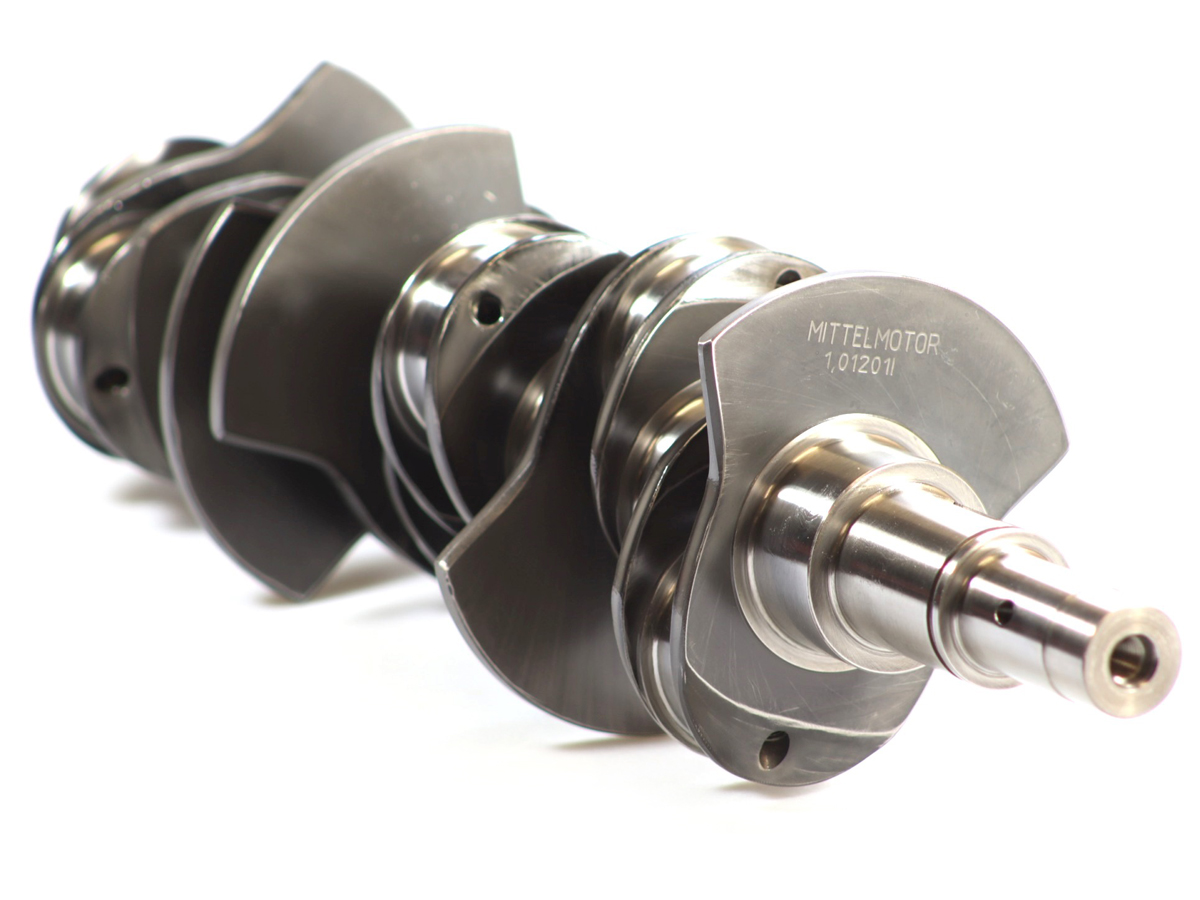
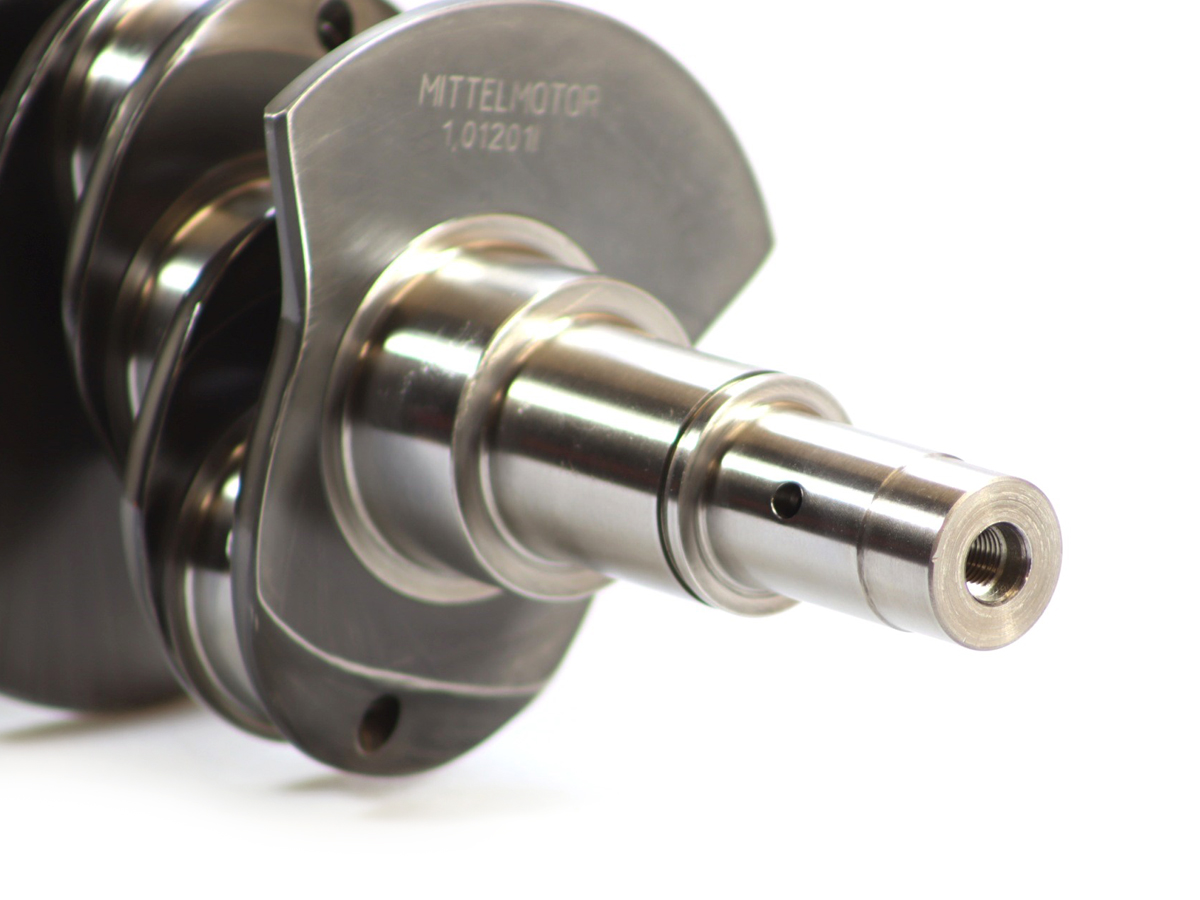
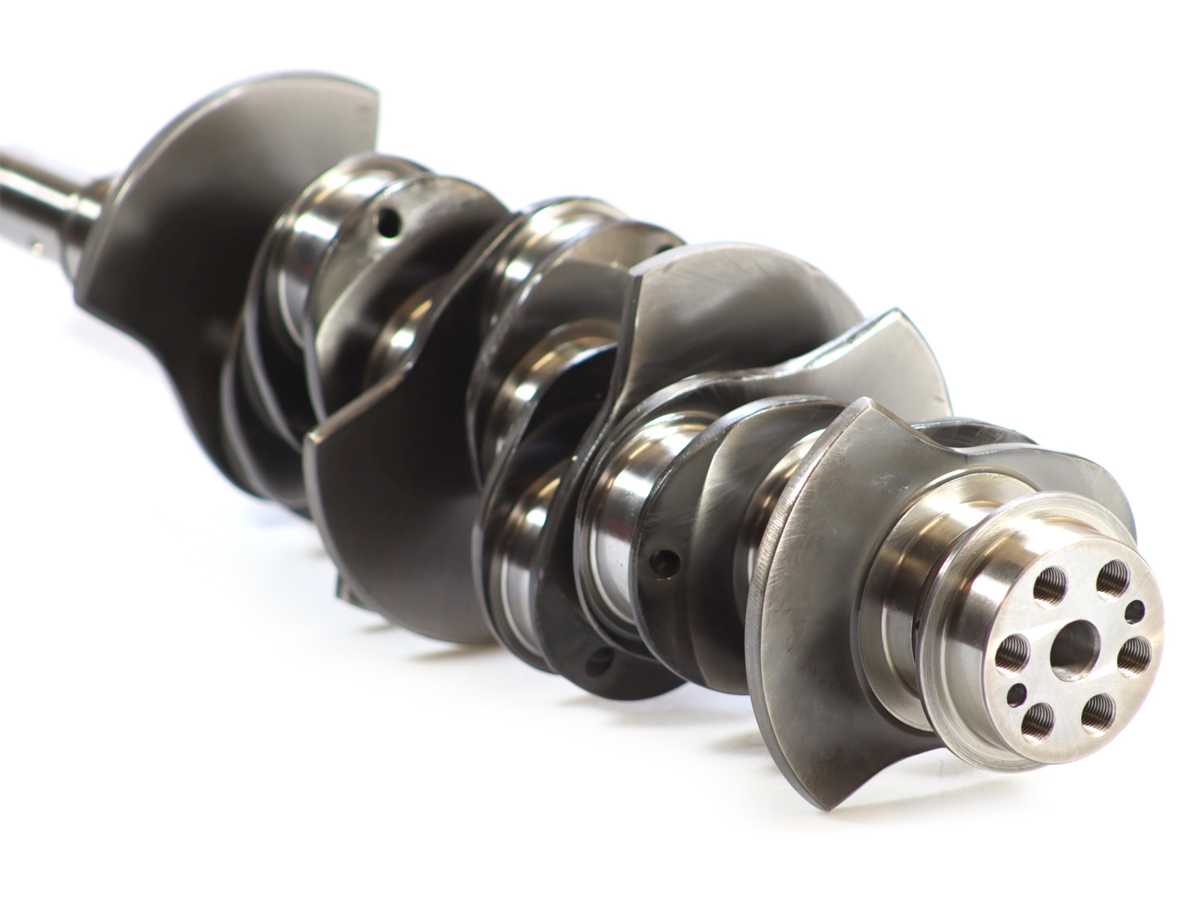
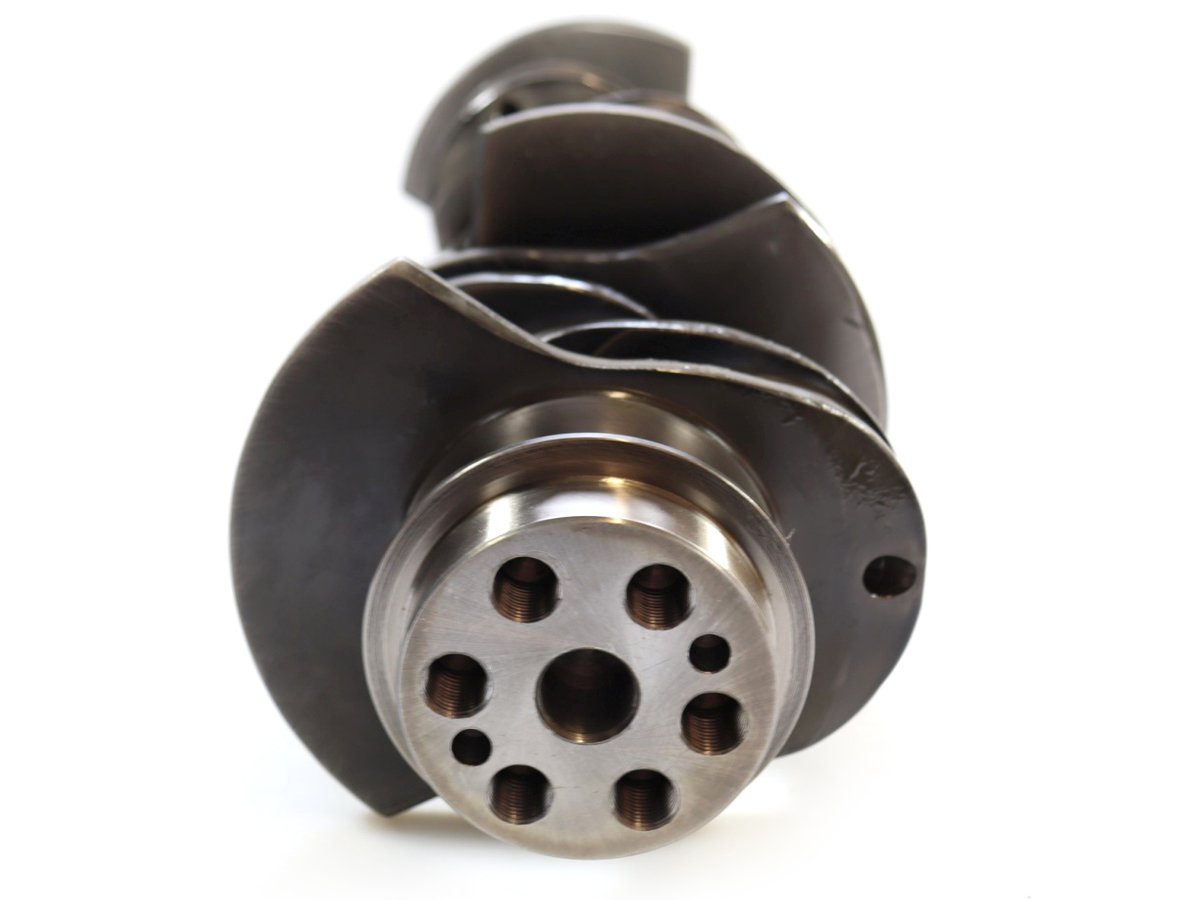
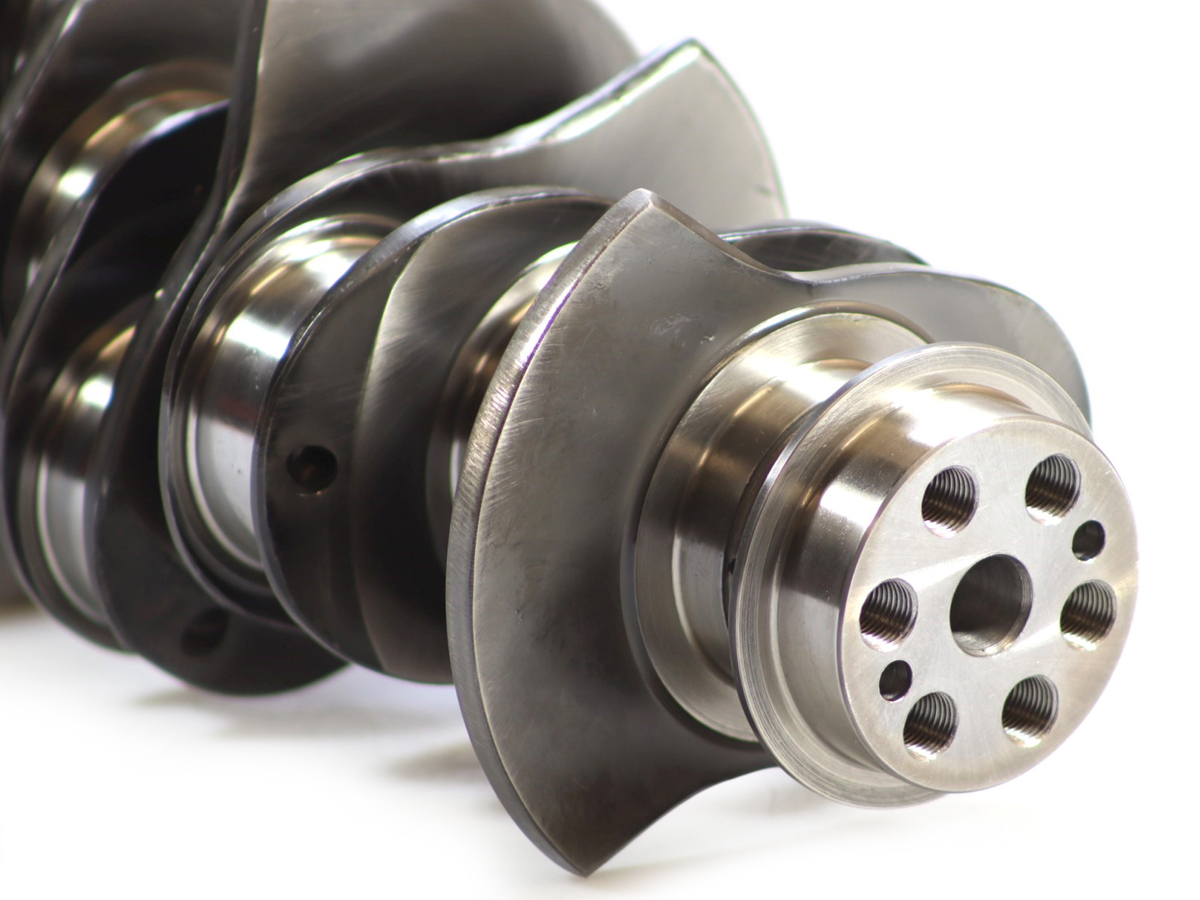
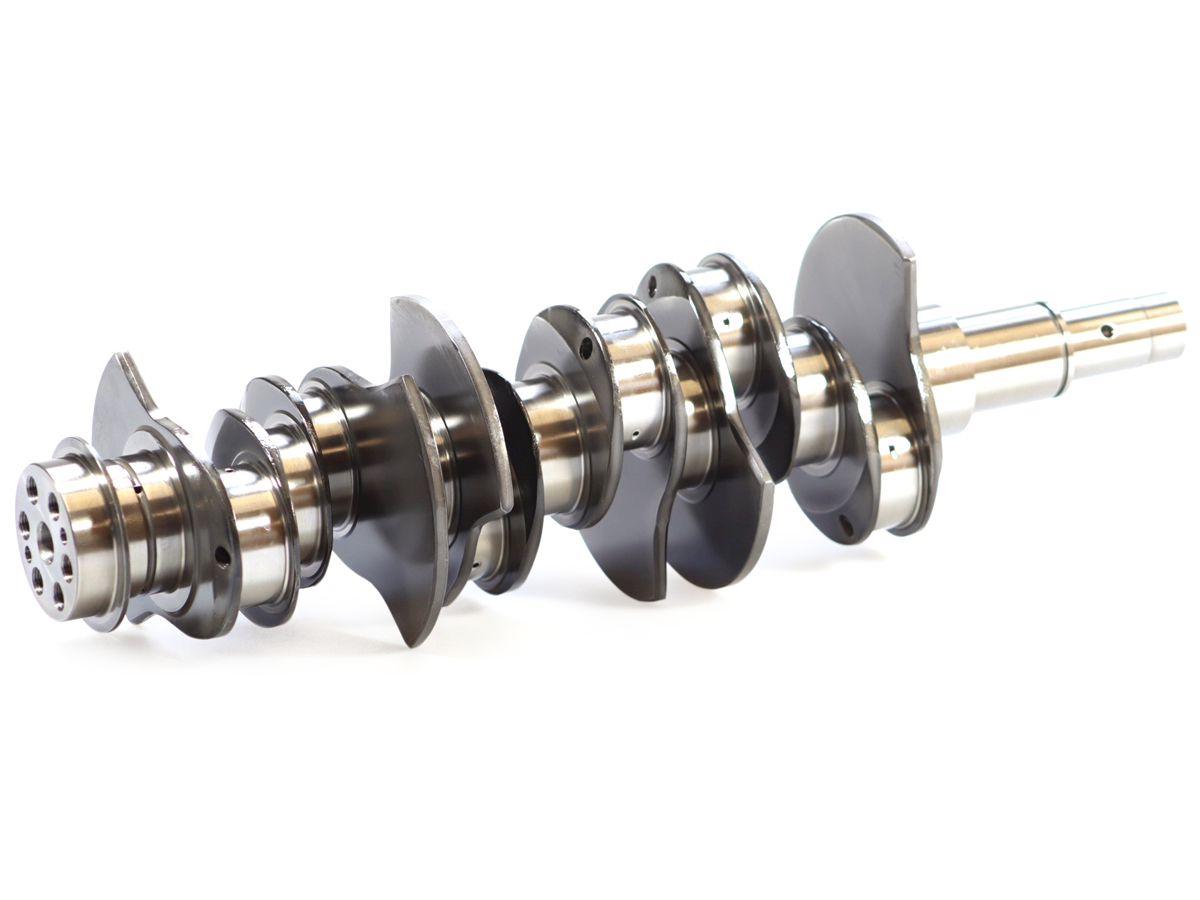
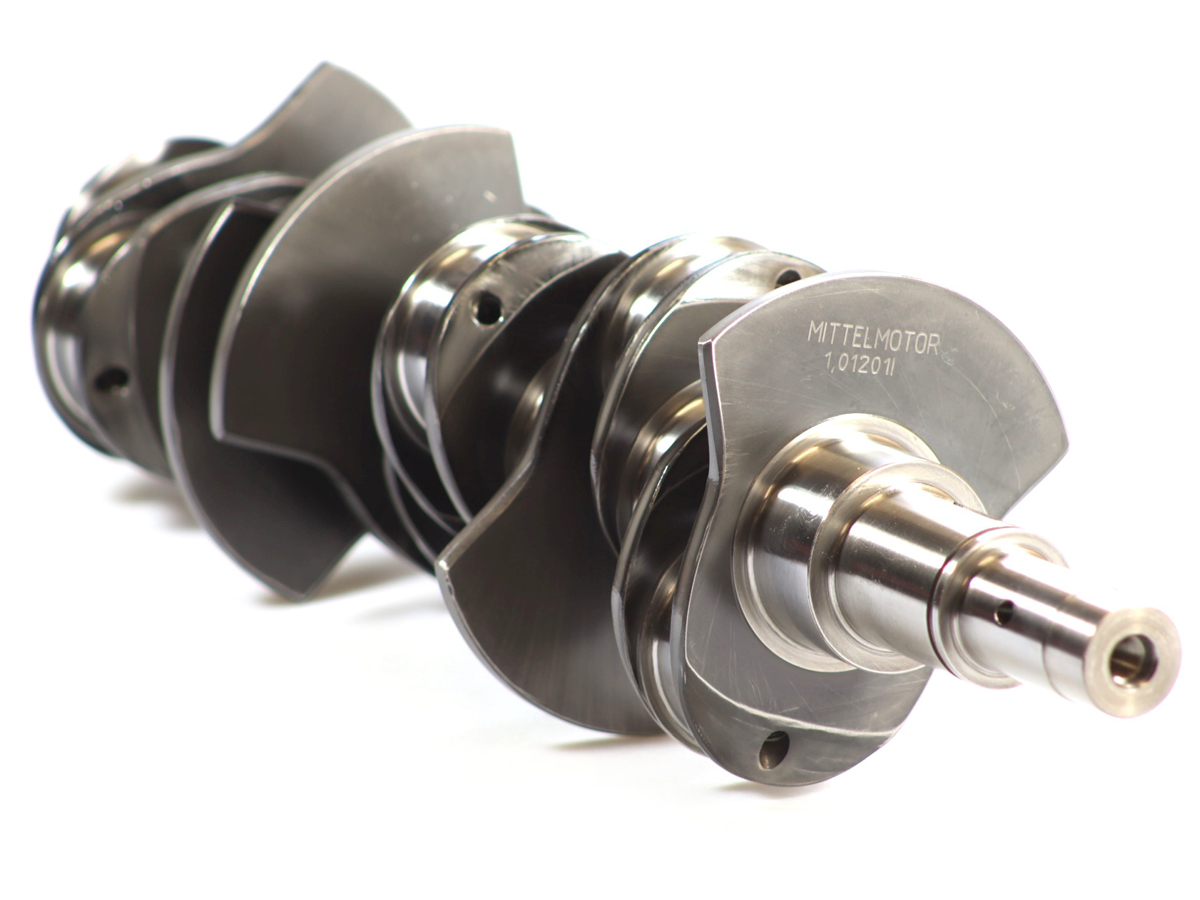
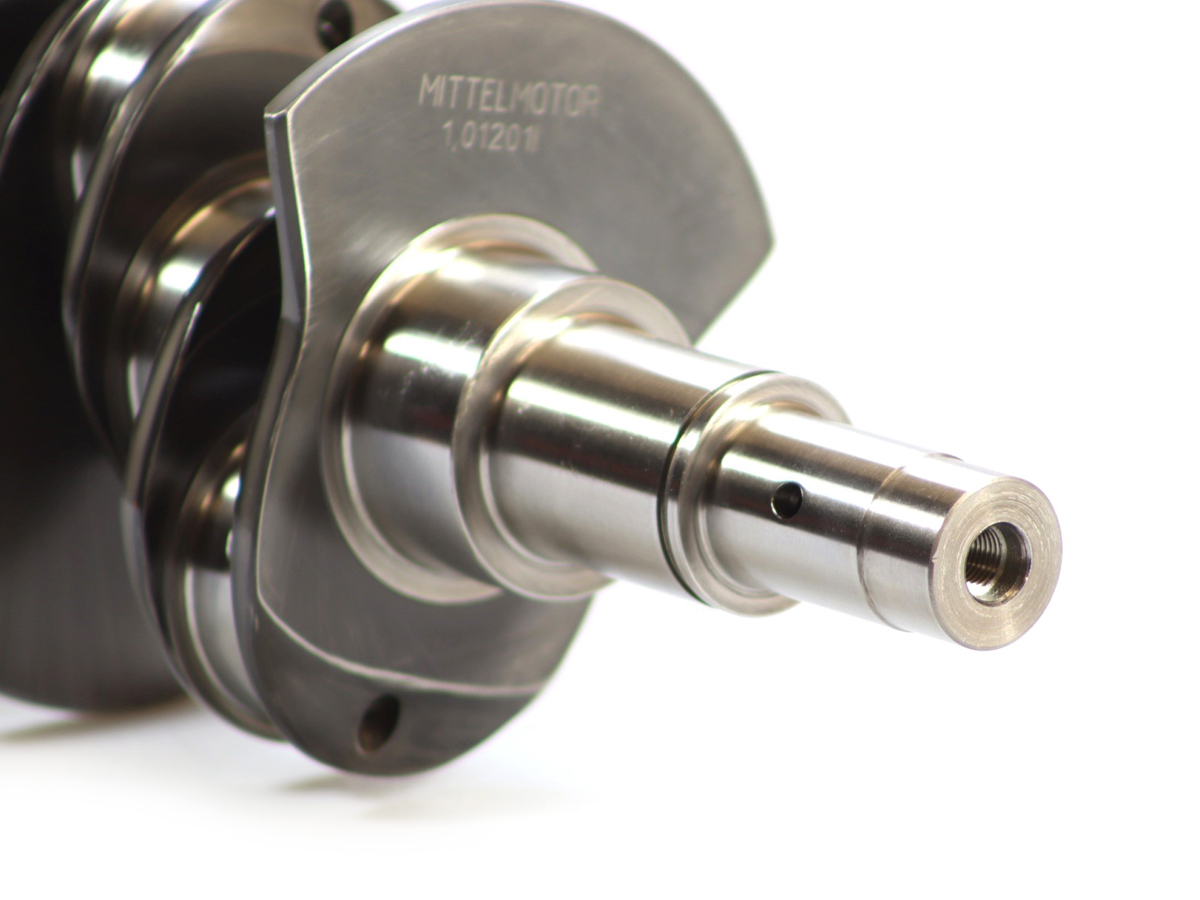
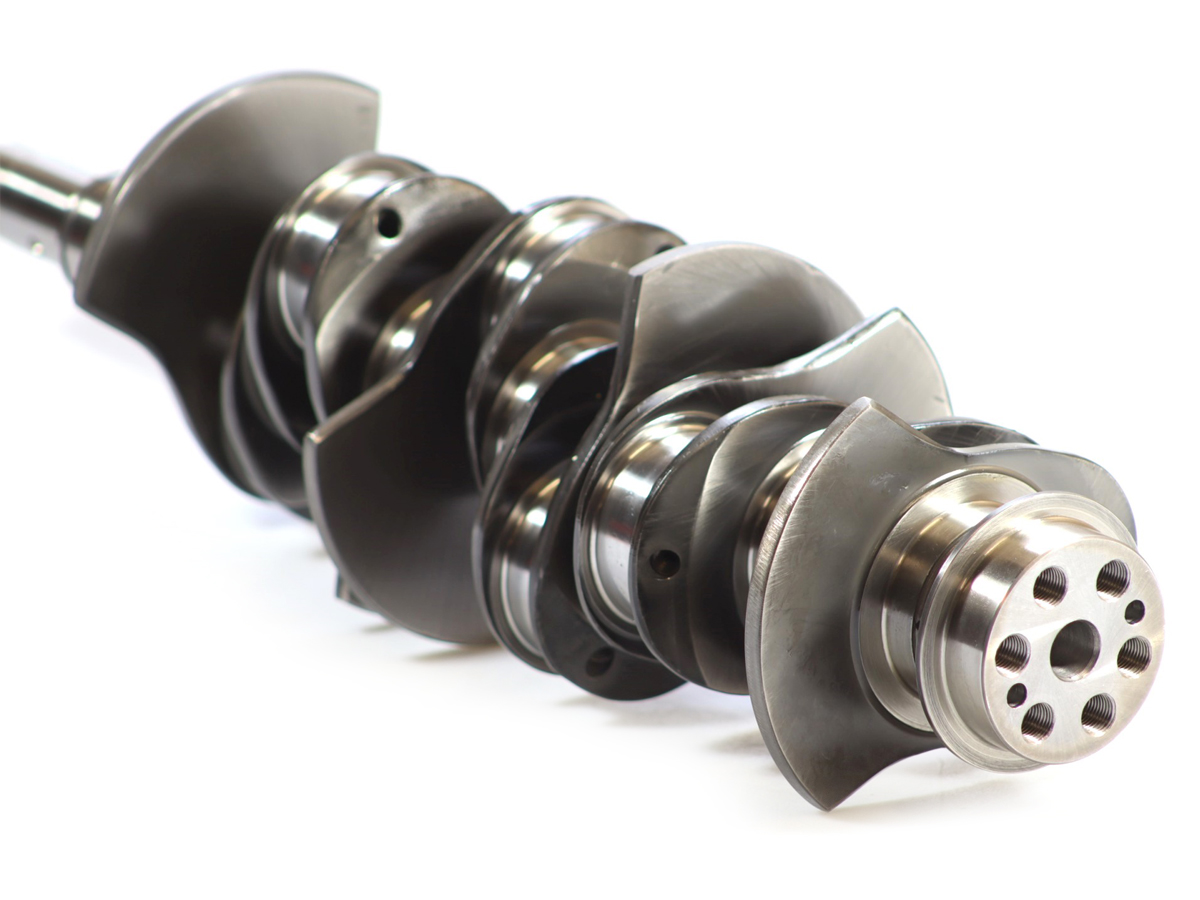
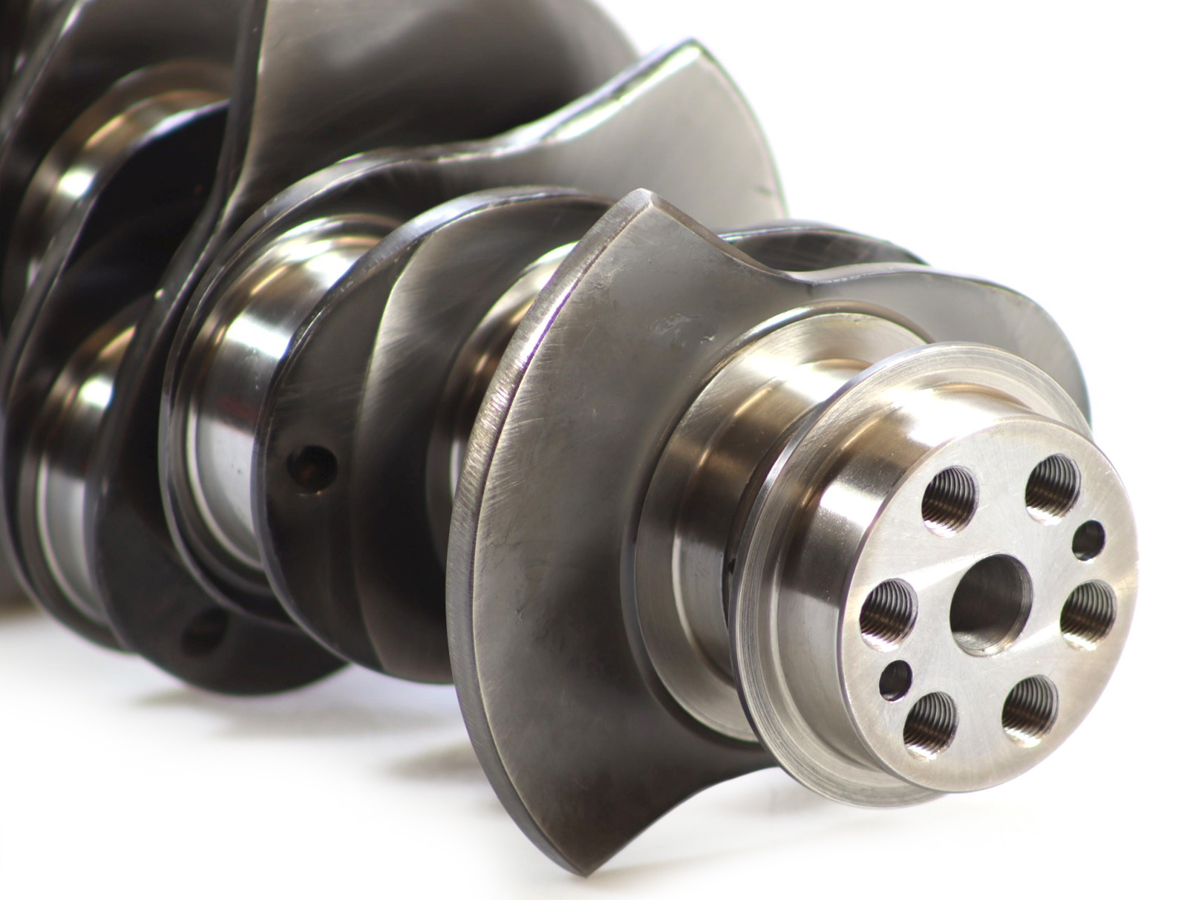
Crankshafts
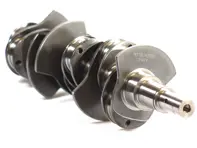


Fits:
Porsche 911 2.0ltr - 1965 to 1969
Porsche 911 2.2ltr - 1970 to 1971
Notes
Conforms to FIA Appendix K
Tested to 10,000 RPM
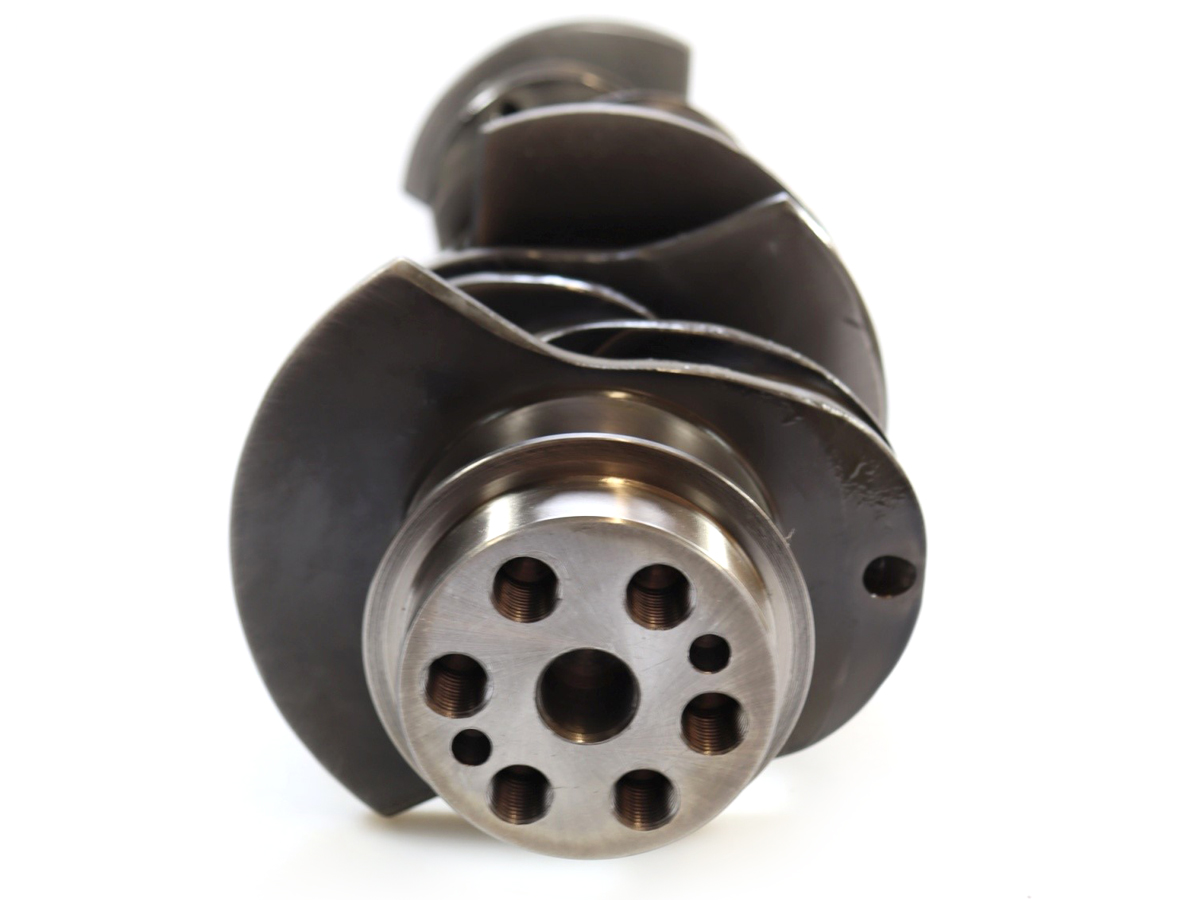
Increasing the performance of an engine via the crankshaft does not make sense at first glance, but it is worth taking a closer look.
The mechanical efficiency of an engine, which, together with the thermodynamic efficiency and the volumetric efficiency, determines the rated output of an engine, depends fundamentally on the diameter of the crankshaft bearings and the friction in the bearings.
Of course, the diameter cannot be easily changed, but the friction can, which in turn depends on the bending loads and the resulting vibrations of the crankshaft. This is exactly why the use of top-quality titanium connecting rods is of little use if the resulting significantly reduced rotating masses at the connecting rod foot are not also taken into account on the counterweight side of the crankshaft.
Because only a perfectly designed crankshaft, calculated for the connecting rod weights, actually brings with it less bearing friction due to eliminated vibrations, and thus an increase in performance. Furthermore, this crankshaft is speed-resistant up to 11,000 rpm and tested in continuous operation up to 10,000 rpm. A pleasant side effect is of course a reduced load on the crankcase and less wear.
This crankshaft is designed utilising the latest calculation methods using CAD and FE methods (finite elements), but is still FIA legal for historic motorsport and conforms to Annex K, but is only designed for operation with steel connecting rods. The focus was on the FIA regulation that " in the case of a new production, the original or the newly manufactured component may be lightened, which was exactly the case with this crankshaft.
If you want to run this crankshaft with titanium connecting rods, use crankshaft part number 91610201600/1 which is designed for the lower rotating masses of titanium connecting rods. Failure to comply with the mass balance will sooner or later lead to the crankshaft breaking at maximum speeds.
Furthermore, this crankshaft is an authentic replacement for every standard crankshaft of the 911 from 1965 to 1971, i.e. every 2.0ltr and 2.2ltr engine.
Related reference numbers
Related, superseded, cross reference or alternative numbers for comparison.
90110201101
The product you are viewing cross references to these numbers
- Porsche 911 1965-1968 2.0L / 912 SWB (F)
- Porsche 911 1968-1973 2.2L / 2.4L / 2.7L RS LWB (F)
 Shop Securely
 12 Month Warranty
 Worldwide Delivery
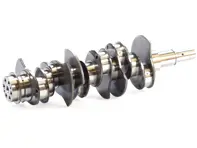
Fits:
Porsche 911 2.0ltr - 1965 to 1969
Porsche 911 2.2ltr - 1970 to 1971
Notes
Tested to 10,000 RPM
Increasing the performance of an engine via the crankshaft does not make sense at first glance, but it is worth taking a closer look.
The mechanical efficiency of an engine, which, together with the thermodynamic efficiency and the volumetric efficiency, determines the rated output of an engine, depends fundamentally on the diameter of the crankshaft bearings and the friction in the bearings.
Of course, the diameter cannot be easily changed, but the friction can, which in turn depends on the bending loads and the resulting vibrations of the crankshaft. This is exactly why the use of top-quality titanium connecting rods is of little use if the resulting significantly reduced rotating masses at the connecting rod foot are not also taken into account on the counterweight side of the crankshaft.
Because only a perfectly designed crankshaft, calculated for the connecting rod weights, actually brings with it less bearing friction due to eliminated vibrations, and thus an increase in performance. Furthermore, this crankshaft is speed-resistant up to 11,000 rpm and tested in continuous operation up to 10,000 rpm. A pleasant side effect is of course a reduced load on the crankcase and less wear.
This crankshaft is designed utilising the latest calculation methods using CAD and FE methods (finite elements) and is designed for operation with titanium connecting rods only.
If you want to run this crankshaft with steel connecting rods, use crankshaft part number 90110201100/1. Failure to comply with the mass balance will sooner or later lead to the crankshaft breaking at maximum speeds.
Furthermore, this crankshaft is an authentic replacement for every standard crankshaft of the 911 from 1965 to 1971, i.e. every 2.0ltr and 2.2ltr engine.
You can easily swap out any 2.0ltr or 2.2ltr 911T crankshaft that doesn't have factory counterweights for this crankshaft with counterweights.
Related reference numbers
Related, superseded, cross reference or alternative numbers for comparison.
91610201600
The product you are viewing cross references to these numbers
- Porsche 911 1965-1968 2.0L / 912 SWB (F)
- Porsche 911 1968-1973 2.2L / 2.4L / 2.7L RS LWB (F)
Shop Securely
12 Month Warranty
Worldwide Delivery

Porsche Performance Crankshafts - High-Strength Engine Bottom-End Upgrades
Crankshafts are the core rotating components of the engine, converting the linear motion of the pistons into usable rotational power. In high-performance or tuned Porsche engines, upgraded crankshafts are essential for handling increased cylinder pressures, higher RPM, and sustained load without compromising reliability.
Available from Design911, Porsche performance crankshafts are engineered using high-strength materials and precision machining to deliver exceptional durability, balance, and dimensional accuracy for performance builds, engine rebuilds, and motorsport applications.
What Do Crankshafts Do?
Crankshafts transform piston movement into rotational energy that drives the drivetrain.
Core Functions:
- Convert combustion force into rotational motion.
- Maintain smooth, balanced engine operation.
- Support high RPM and power output.
- Transfer torque to the flywheel and gearbox.
- Form the foundation of the engine’s rotating assembly.
A strong, precisely balanced crankshaft is critical for engine performance and longevity.
Why Do Crankshafts Fail?
Standard crankshafts are designed for factory power levels
and operating conditions. Failures can occur when engines are pushed beyond
these limits due to:
- Increased cylinder pressures from tuning or forced induction.
- Metal fatigue from sustained high-RPM operation.
- Insufficient lubrication or oil starvation.
- Bearing failure causing crankshaft damage.
- Poor balance leading to vibration and stress fractures.
Crankshaft failure often results in catastrophic engine damage.
Why Upgrade to a Performance Crankshaft?
Performance crankshafts are designed to handle extreme loads and engine speeds safely.
Upgrade Benefits:
- High-strength forged or billet construction.
- Improved resistance to fatigue and torsional stress.
- Precision balancing for smooth high-RPM operation.
- Suitable for turbocharged, supercharged, and race engines.
- Essential upgrade for high-output engine builds.
Upgrading the crankshaft provides a robust foundation for reliable high-performance engines.
Highlights
- Porsche performance crankshaft upgrades
- High-strength construction for extreme power levels
- Designed for tuned and motorsport engines
- Precision balanced for smooth operation
- Essential component for high-performance engine builds
-
 Engine / Gearbox Mounts
-
Oil Flow / Sump
-
Engine Rods and Bolts
-
Radiators
-
Air Filters
-
Air Induction Kits
-
Camshaft Covers
-
Electronic Fuel Injection Throttle Kits
-
Electronic Throttle Booster
-
IRIDIUM POWER Spark Plugs
-
IRIDIUM RACING Spark Plugs
-
Clutches / Flywheels
-
Turbo Chargers
-
ECU Reader / Fault Finder
-
Exhaust Packages
-
Fuel Additives
-
Wössner Forged Piston Kit
-
Wössner Steel Connecting Rods
-
CP Carrillo Connecting Rods
-
OE MATCH Pistons and cylinders
-
Valve springs
-
Distributors



Monday-Friday: 8.30am - 5.30pm (GMT)
Saturday: Closed
Sunday: Closed