





Enter your VAT number here and click Verify:
Your details have been verified. VAT number registered to:
,
.
Your order will now be zero rated for VAT purposes. We reserve the right to verify these details after your order request has been made and reinstate VAT if required.
Your VAT details were not recognised or were invalid. Your VAT number must be matched to your Billing Country as specified above. This is currently specified as . You do not need to enter the country code part of your VAT number as this has already been selected in your billing address details above.
The VAT number checking service is currently offline. Please supply your VAT details within the comments or special instructions field below and we will apply a VAT discount after placing your order request.

- Accessories
- Brakes
- Chassis / Bodywork
- Clothing & Gifts
- Electrical & Relays
- Engine Cooling
- Engine Electrical
- Engine Rebuild Parts
- Engine Tuning
- Exhausts
- Exterior Styling / Spoilers
- Gearbox / Transmission
- Heating / Air Conditioning
- Hydraulics
- Incar / Multimedia
- Interior & Accessories
- Lighting
- Mats & Carpets
- Motorsport and Off-Road
- Parts for Other Cars
- Pedal Cluster
- Rubber Seals
- Seats & Seat Belts
- Service Parts
- Special Offer Parts
- Steering Parts
- Suspension & Axle
- Suspension Upgrades
- Tyres
- Wheel Accessories
- Wheels
Porsche

Porsche for Porsche
Porsche genuine parts and lifestyle products for Porsche models from Design911
A Quick Look at Porsche
Porsche information on this page is based on details supplied by the manufacturer or distributor, plus any OE references provided with the parts.
Choosing the Right Fit for Your Porsche
Where Porsche is listed for Porsche, use the supplied model coverage and OE references to confirm suitability. Check details that commonly affect fitment such as model year, side/position, and connector type where relevant.
- Typical reasons people replace these parts include maintaining originality, keeping factory specification, and choosing the latest genuine revisions for peace of mind.
- Common real-world issues behind many Porsche repairs are age and mileage: oil leaks, cooling system fatigue, brake and suspension wear, corrosion and electrical faults from moisture or heat cycling.
- Before ordering, confirm part numbers against VIN or option/PR codes, especially for safety‑critical or complex components.
- When upgrading, decide whether you want pure originality or performance changes, as some aftermarket options may suit specific goals better than genuine.
- For bigger jobs, replace related seals, hardware and consumables at the same time to avoid repeat labour and compatibility issues.
- Where available, follow the manufacturer’s fitting and bedding‑in guidance to get the best performance and longevity.
Browse by Category
If you already know the area you are working on, start with the category and then filter by Porsche model. Where real-world symptoms and typical reasons to replace are provided, use them to keep the wording grounded.
Brakes — Brake components are renewed to restore stopping performance, address wear or upgrade a Porsche for fast road or track use. Common symptoms include: Common symptoms include vibration under braking, increased stopping distances, squealing, pulling to one side, warning lights and visible wear to discs and pads.
- Check whether the parts are OE-equivalent replacements or performance upgrades and match this to how the Porsche is used.
- Follow any recommended bedding-in procedure and consider replacing discs, pads, sensors and fitting hardware together where advised.
Clothing & Gifts — Porsche-themed clothing and gifts let owners and enthusiasts show their passion off the road, or make ideal presents for fans of the marque. Common symptoms include: Items may become worn, faded, damaged or go out of style, prompting replacement with newer designs.
- Review available size, colour and material details to help choose the right item and ensure it matches how it will be used.
- Check any care or washing guidance so garments and accessories keep their appearance for longer.
Lifestyle — To explore different Porsche-inspired lifestyle products or gift ideas. Common symptoms include: General wear from handling or display.
- Confirm whether items are official Porsche lifestyle products or from trusted partner brands where stated.
- Consider who the item is for and how it will be used day to day to select the most suitable style or product type.
Keyring — To choose a different design, material or model theme. Common symptoms include: Scratches, worn finishes or loose fittings.
- Keyrings make simple, practical Porsche-themed gifts and can be matched to specific models or heritage designs where available.
- If a keyring shows damage or looseness, replace it to avoid losing keys or further wear to finishes.
Size chart — The size chart acts as a practical reference tool for all apparel purchases. Common symptoms include:
Explore Porsche at Design911
View the current Porsche range for Porsche at Design911, then filter by model and category to narrow down to the right parts.
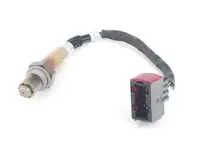


Fits:
Porsche Boxster 986 2003>>
Function:
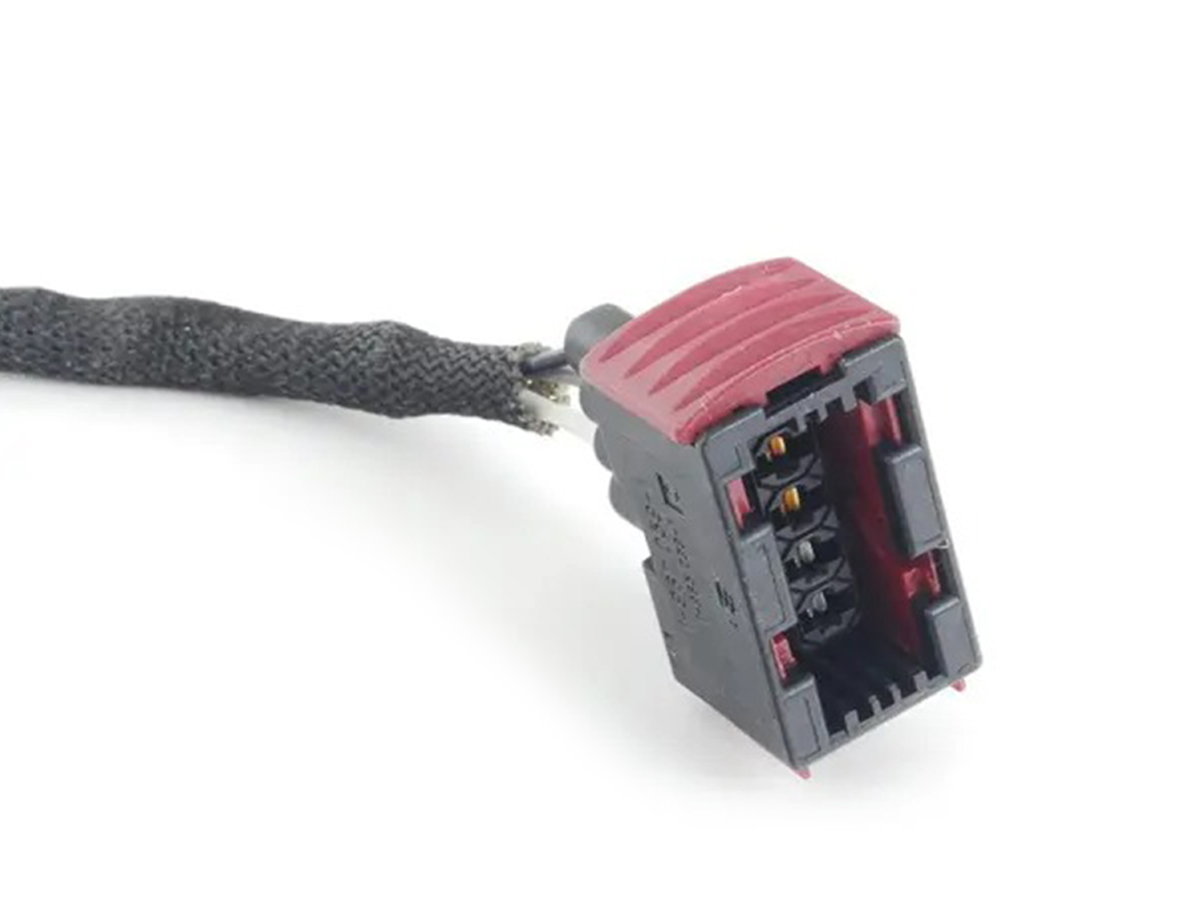
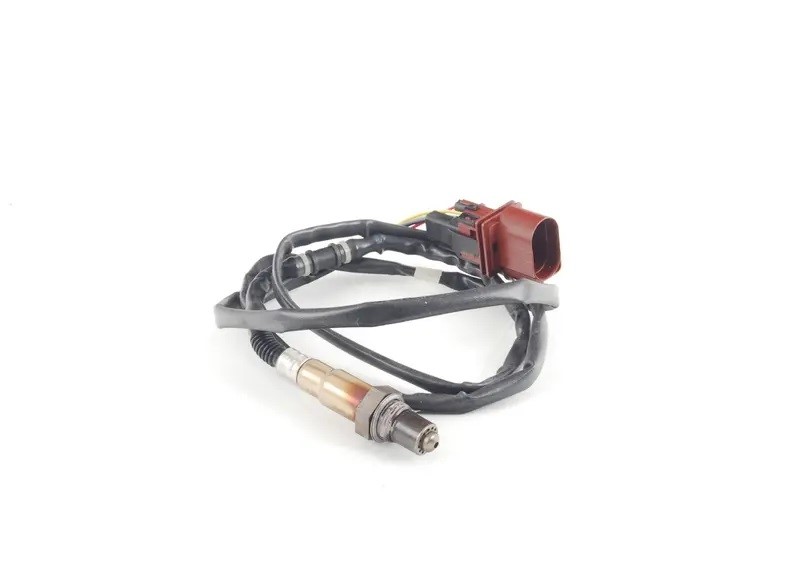
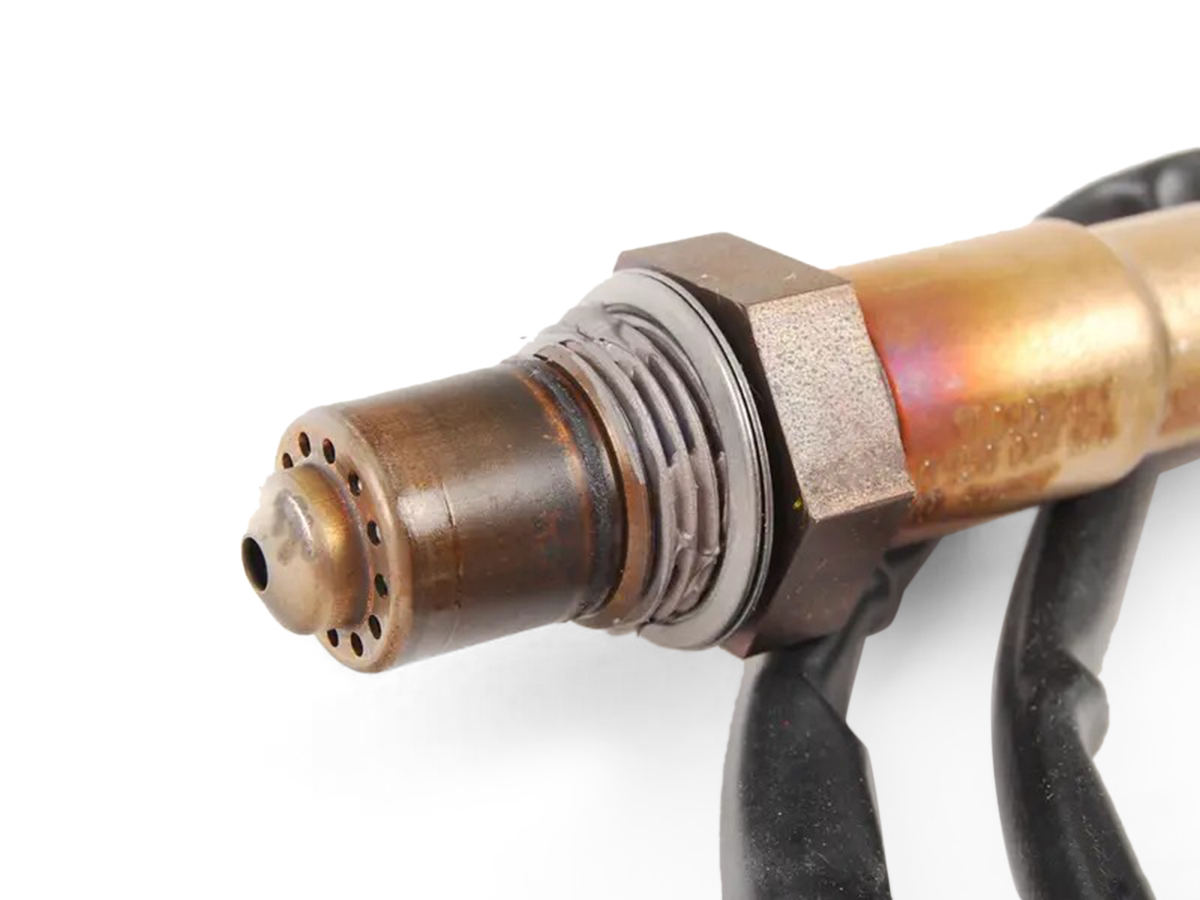
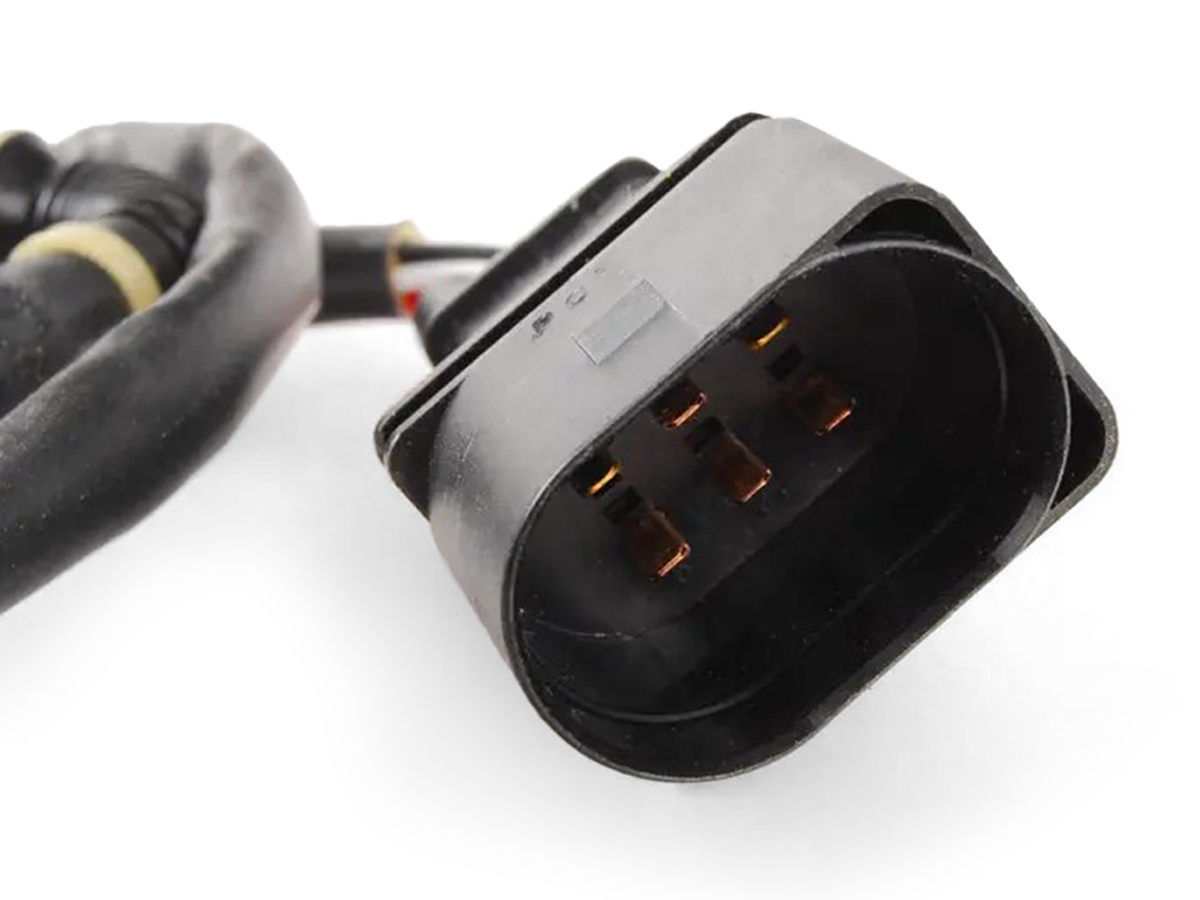
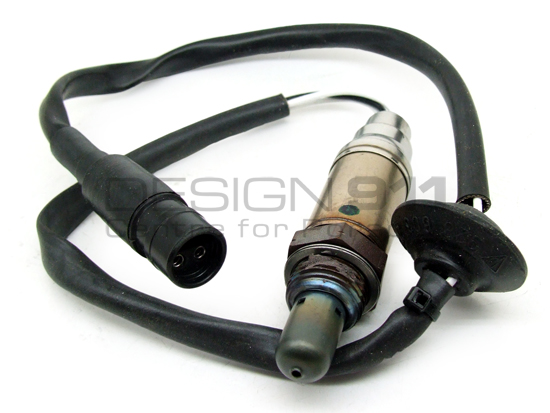
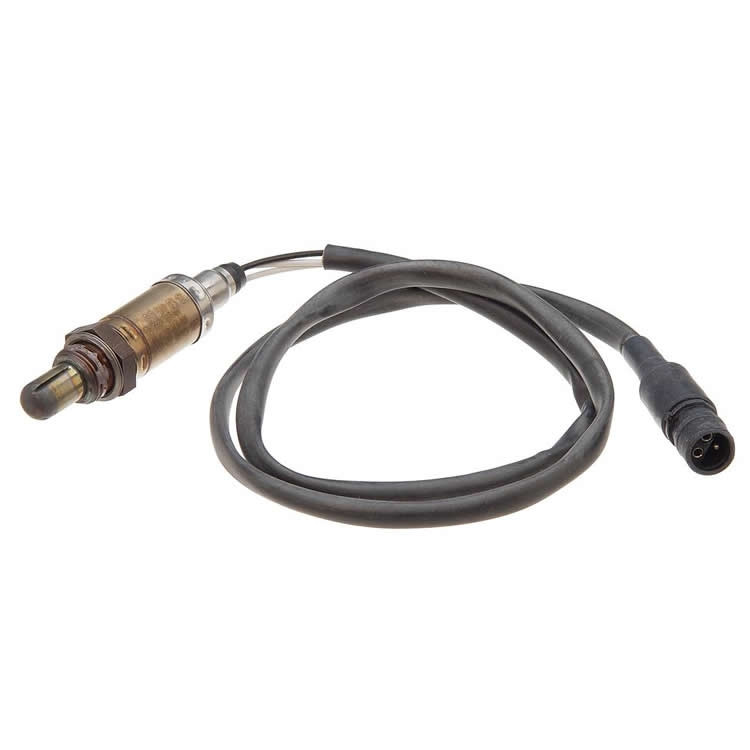
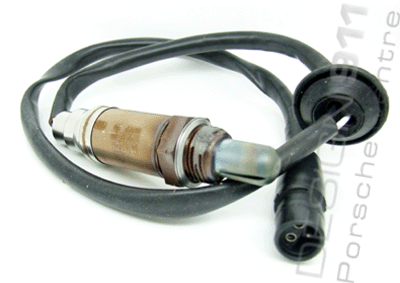
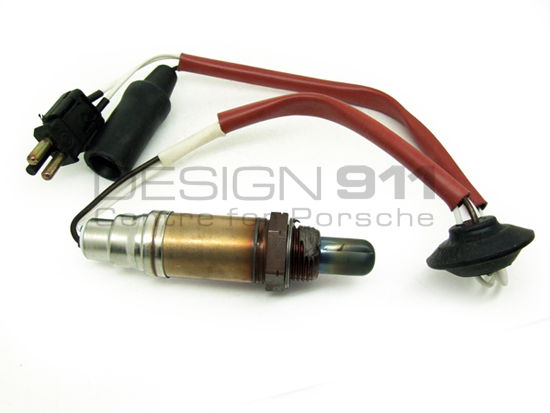
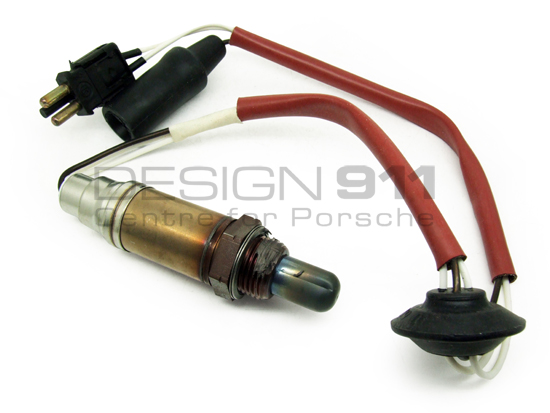
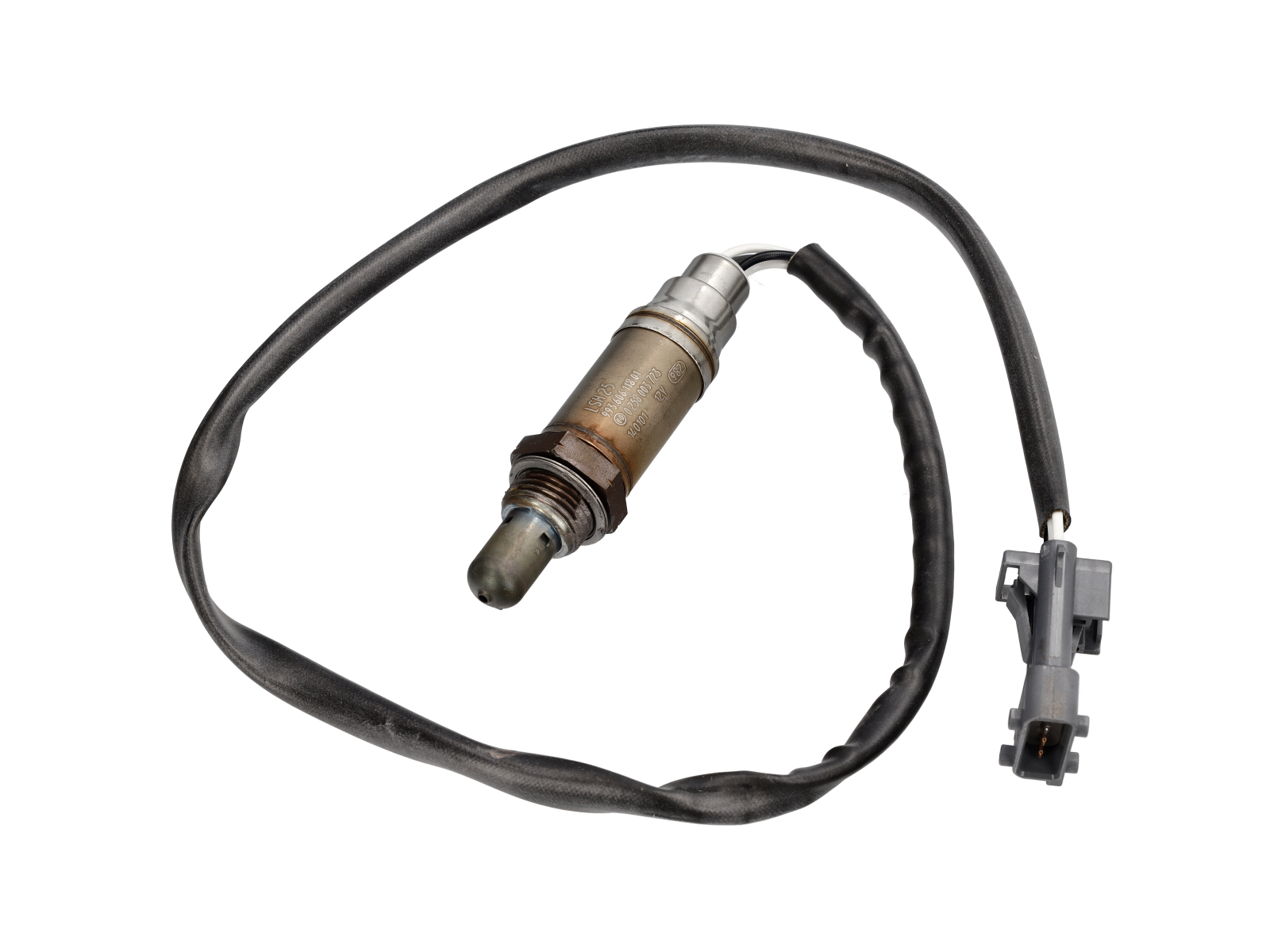
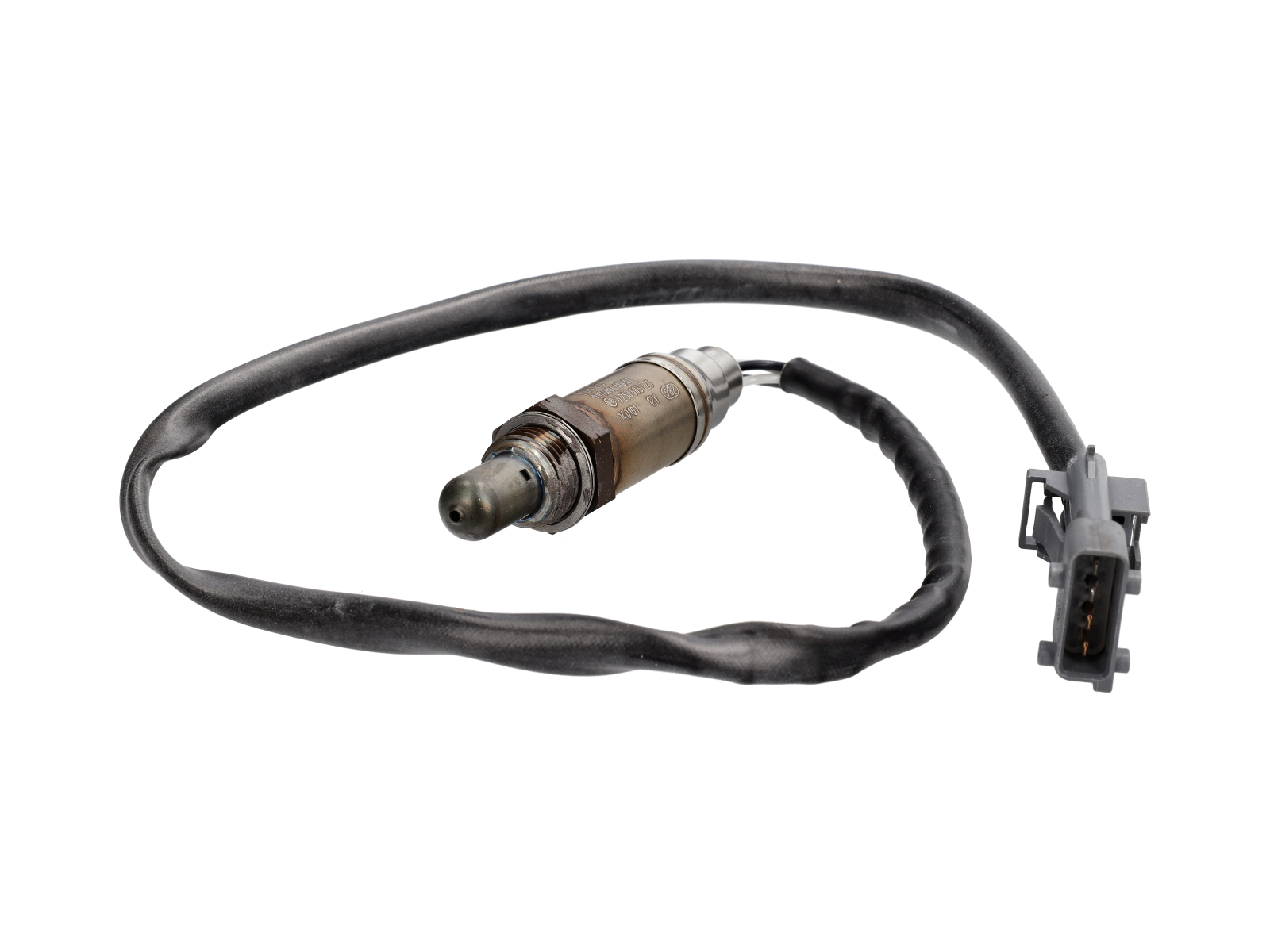
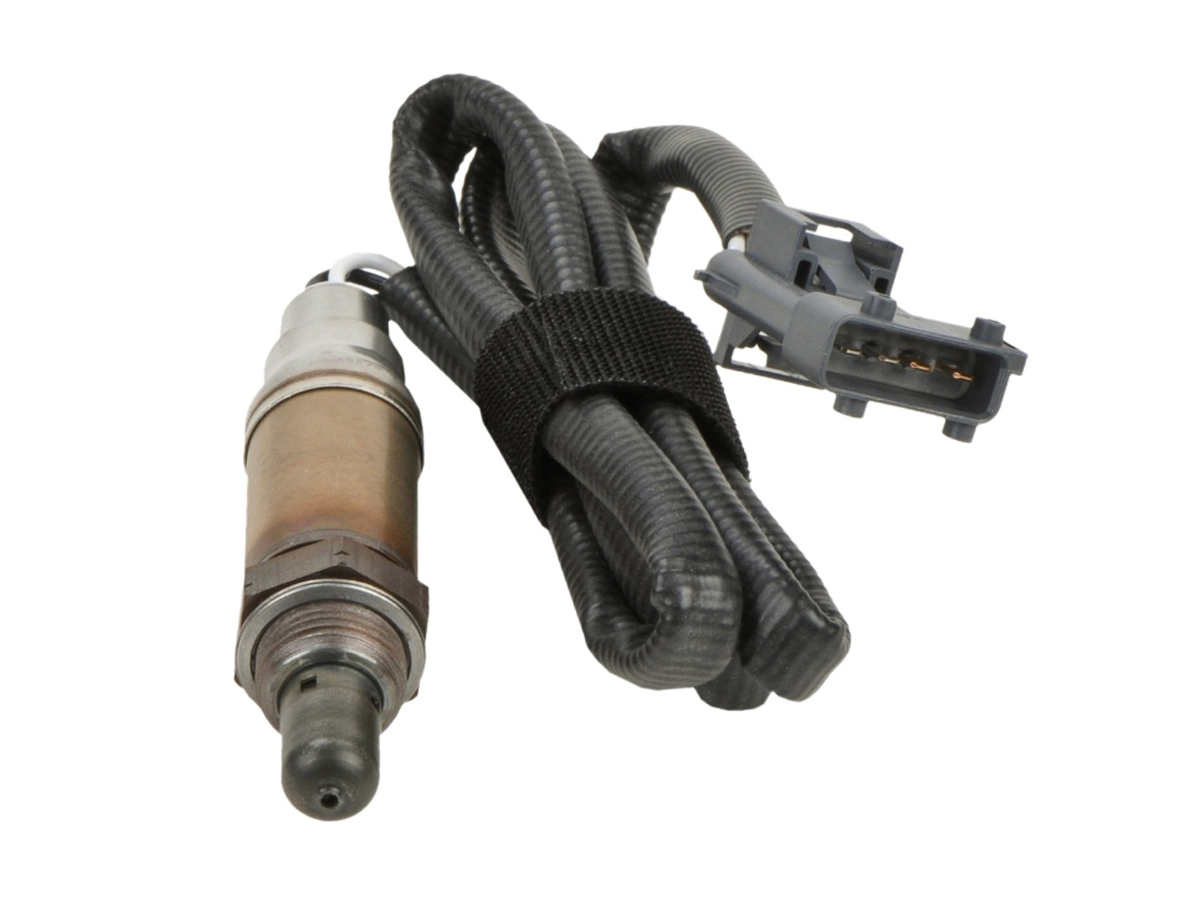
The Oxygen Sensor (also known as Lambda Sensor) is located in the exhaust manifold and measures the amount of unburned oxygen in your engine's exhaust. Based on the amount of oxygen, it sends a signal to your engine computer which then adjusts the air/fuel mixture for optimum engine performance and emission control.
Failure Symptoms:
• Excessive fuel consumption, a faulty oxygen sensor can waste 30% of your fuel.
• Driveability problems, such as engine surging or hesitation.
• High hydrocarbon emissions, failing an emissions inspection.
• The engine warning light may be on or service flag displayed.
• The ecu/computer stores a mixture-related fault code.
• When the oxygen sensor has stopped functioning completely, the catalytic converter may overheat and fail
Maintenance / Service:
• Test and/or replace every 30,000 miles.
• Perform periodic emission checks.
• Watch for service light.
• Vehicle manufacturers recommend periodic inspection and replacement of oxygen sensor.
Related reference numbers
Related, superseded, cross reference or alternative numbers for comparison.
98660622600
The product you are viewing cross references to these numbers
- Porsche Boxster 986 2.7L 2003-04
- Porsche Boxster S 986 3.2L 2003-04
 Shop Securely
 12 Month Warranty
 Worldwide Delivery
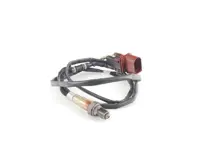
Fits:
Porsche Cayenne 955 Turbo (BEFORE Catalytic converter)
Function:
The Oxygen Sensor (also known as Lambda Sensor) is located in the exhaust manifold and measures the amount of unburned oxygen in your engine's exhaust. Based on the amount of oxygen, it sends a signal to your engine computer which then adjusts the air/fuel mixture for optimum engine performance and emission control.
Failure Symptoms:
• Excessive fuel consumption, a faulty oxygen sensor can waste 30% of your fuel.
• Driveability problems, such as engine surging or hesitation.
• High hydrocarbon emissions, failing an emissions inspection.
• The engine warning light may be on or service flag displayed.
• The ecu/computer stores a mixture-related fault code.
• When the oxygen sensor has stopped functioning completely, the catalytic converter may overheat and fail
Maintenance / Service:
• Test and/or replace every 30,000 miles.
• Perform periodic emission checks.
• Watch for service light.
• Vehicle manufacturers recommend periodic inspection and replacement of oxygen sensor.
Related reference numbers
Related, superseded, cross reference or alternative numbers for comparison.
95560612602
The product you are viewing cross references to these numbers
- Porsche 955 Cayenne Turbo 4.5L 2003-06
- Porsche 955 Cayenne Turbo S 4.5L 2006>>
Shop Securely
12 Month Warranty
Worldwide Delivery
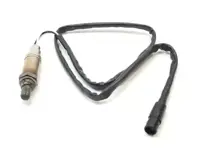
Fits:
Porsche 944 1986-91
Porsche 968 1992-95
Function:
The Oxygen Sensor (also known as Lambda Sensor) is located in the exhaust manifold and measures the amount of unburned oxygen in your engine's exhaust. Based on the amount of oxygen, it sends a signal to your engine computer which then adjusts the air/fuel mixture for optimum engine performance and emission control.
Failure Symptoms:
• Excessive fuel consumption, a faulty oxygen sensor can waste 30% of your fuel.
• Driveability problems, such as engine surging or hesitation.
• High hydrocarbon emissions, failing an emissions inspection.
• The engine warning light may be on or service flag displayed.
• The ecu/computer stores a mixture-related fault code.
• When the oxygen sensor has stopped functioning completely, the catalytic converter may overheat and fail
Maintenance / Service:
• Test and/or replace every 30,000 miles.
• Perform periodic emission checks.
• Watch for service light.
• Vehicle manufacturers recommend periodic inspection and replacement of oxygen sensor.
Related reference numbers
Related, superseded, cross reference or alternative numbers for comparison.
94460613502
The product you are viewing cross references to these numbers
- Porsche 944 2.5L 8V 1982-87
- Porsche 944 2.7L 8V 1988-89
- Porsche 944S 2.5L 16V 1987-88
- Porsche 944S2 3.0L 16V 1989-91
- Porsche 968 3.0L 1992-94
- Porsche 968 Sport 3.0L 1994-95
- Porsche 968 CS 3.0L 1993-95
- Porsche 968 Turbo S 3.0L 1993-94
Shop Securely
12 Month Warranty
Worldwide Delivery
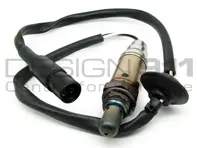
Fits:
Porsche 928 1987-95
Function:
The Oxygen Sensor (also known as Lambda Sensor) is located in the exhaust manifold and measures the amount of unburned oxygen in your engine's exhaust. Based on the amount of oxygen, it sends a signal to your engine computer which then adjusts the air/fuel mixture for optimum engine performance and emission control.
Failure Symptoms:
• Excessive fuel consumption, a faulty oxygen sensor can waste 30% of your fuel.
• Driveability problems, such as engine surging or hesitation.
• High hydrocarbon emissions, failing an emissions inspection.
• The engine warning light may be on or service flag displayed.
• The ecu/computer stores a mixture-related fault code.
• When the oxygen sensor has stopped functioning completely, the catalytic converter may overheat and fail
Maintenance / Service:
• Test and/or replace every 30,000 miles.
• Perform periodic emission checks.
• Watch for service light.
• Vehicle manufacturers recommend periodic inspection and replacement of oxygen sensor.
Related reference numbers
Related, superseded, cross reference or alternative numbers for comparison.
92860612801
The product you are viewing cross references to these numbers
- Porsche 928S4 5.0L 1987-92
- Porsche 928GT 5.0L 1989-91
- Porsche 928GTS 5.4L 1992-95
Shop Securely
12 Month Warranty
Worldwide Delivery
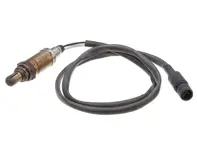
Fits:
Porsche 911 1984-89
Porsche 964 1989-94
Porsche 964 Carrera RS 3.6 06/91-09/93
Porsche 964 Turbo 3.3 08/90-09/93
Function:
The Oxygen Sensor (also known as Lambda Sensor) is located in the exhaust manifold and measures the amount of unburned oxygen in your engine's exhaust. Based on the amount of oxygen, it sends a signal to your engine computer which then adjusts the air/fuel mixture for optimum engine performance and emission control.
Failure Symptoms:
• Excessive fuel consumption, a faulty oxygen sensor can waste 30% of your fuel.
• Driveability problems, such as engine surging or hesitation.
• High hydrocarbon emissions, failing an emissions inspection.
• The engine warning light may be on or service flag displayed.
• The ecu/computer stores a mixture-related fault code.
• When the oxygen sensor has stopped functioning completely, the catalytic converter may overheat and fail
Maintenance / Service:
• Test and/or replace every 30,000 miles.
• Perform periodic emission checks.
• Watch for service light.
• Vehicle manufacturers recommend periodic inspection and replacement of oxygen sensor.
Related reference numbers
Related, superseded, cross reference or alternative numbers for comparison.
96560612601
The product you are viewing cross references to these numbers
- Porsche 911 1984-1986 3.2L
- Porsche 911 1987-1989 3.2L G50
- Porsche 964 (911) C2 1989-93
- Porsche 964 (911) C4 1989-93
- Porsche 964 (911) RS 3.6L 1991-93
- Porsche 964 (911) RS 3.8L 1991-93
- Porsche 964 (911) TURBO 3.3L 1991-93
- Porsche 964 (911) TURBO 3.6L 1991-93
Shop Securely
12 Month Warranty
Worldwide Delivery
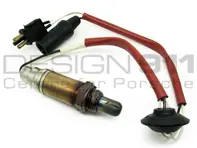
Fits:
Porsche 911 1984-86
Porsche 928 1983-86
Function:
The Oxygen Sensor (also known as Lambda Sensor) is located in the exhaust manifold and measures the amount of unburned oxygen in your engine's exhaust. Based on the amount of oxygen, it sends a signal to your engine computer which then adjusts the air/fuel mixture for optimum engine performance and emission control.
Failure Symptoms:
Excessive fuel consumption, a faulty oxygen sensor can waste 30% of your fuel.
Driveability problems, such as engine surging or hesitation.
High hydrocarbon emissions, failing an emissions inspection.
The engine warning light may be on or service flag displayed.
The ecu/computer stores a mixture-related fault code.
When the oxygen sensor has stopped functioning completely, the catalytic converter may overheat and fail
Maintenance/Service:
Test and/or replace every 30,000 miles.
Perform periodic emission checks.
Watch for service light.
Vehicle manufacturers recommend periodic inspection and replacement of oxygen sensor.
Related reference numbers
Related, superseded, cross reference or alternative numbers for comparison.
92860612400
The product you are viewing cross references to these numbers
- Porsche 911 1984-1986 3.2L
- Porsche 911 1987-1989 3.2L G50
- Porsche 928S2 4.7L 1984-86
Shop Securely
12 Month Warranty
Worldwide Delivery
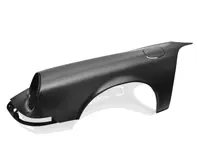
Fits:
Porsche 911 1969-73 (Long Wheel Base Cars)
Related reference numbers
Related, superseded, cross reference or alternative numbers for comparison.
90150303
The product you are viewing cross references to these numbers
- Porsche 911 1965-1968 2.0L / 912 SWB (F)
- Porsche 911 1968-1973 2.2L / 2.4L / 2.7L RS LWB (F)
Shop Securely
12 Month Warranty
Worldwide Delivery

Fits:
Porsche 996 2000-02 (AFTER catalytic converter)
*Cars with M661 stricter emission control concept
Function:
The Oxygen Sensor (also known as Lambda Sensor) is located in the exhaust manifold and measures the amount of unburned oxygen in your engine's exhaust. Based on the amount of oxygen, it sends a signal to your engine computer which then adjusts the air/fuel mixture for optimum engine performance and emission control.
Failure Symptoms:
• Excessive fuel consumption, a faulty oxygen sensor can waste 30% of your fuel.
• Driveability problems, such as engine surging or hesitation.
• High hydrocarbon emissions, failing an emissions inspection.
• The engine warning light may be on or service flag displayed.
• The ecu/computer stores a mixture-related fault code.
• When the oxygen sensor has stopped functioning completely, the catalytic converter may overheat and fail
Maintenance / Service:
• Test and/or replace every 30,000 miles.
• Perform periodic emission checks.
• Watch for service light.
• Vehicle manufacturers recommend periodic inspection and replacement of oxygen sensor.
Related reference numbers
Related, superseded, cross reference or alternative numbers for comparison.
99360611801
The product you are viewing cross references to these numbers
- Porsche 996 C2 3.4L 1997-08/01
- Porsche 996 C4 3.4L 1997-08/01
- Porsche 996 C2 3.6L 09/01-2005
- Porsche 996 C4 3.6L 09/01-2005
- Porsche 996 C4S 3.6L 09/01-2005
Shop Securely
12 Month Warranty
Worldwide Delivery

Fits:
Porsche 993 Turbo (AFTER catalytic converter)
Function:
The Oxygen Sensor (also known as Lambda Sensor) is located in the exhaust manifold and measures the amount of unburned oxygen in your engine's exhaust. Based on the amount of oxygen, it sends a signal to your engine computer which then adjusts the air/fuel mixture for optimum engine performance and emission control.
Failure Symptoms:
• Excessive fuel consumption, a faulty oxygen sensor can waste 30% of your fuel.
• Driveability problems, such as engine surging or hesitation.
• High hydrocarbon emissions, failing an emissions inspection.
• The engine warning light may be on or service flag displayed.
• The ecu/computer stores a mixture-related fault code.
• When the oxygen sensor has stopped functioning completely, the catalytic converter may overheat and fail
Maintenance / Service:
• Test and/or replace every 30,000 miles.
• Perform periodic emission checks.
• Watch for service light.
• Vehicle manufacturers recommend periodic inspection and replacement of oxygen sensor.
Related reference numbers
Related, superseded, cross reference or alternative numbers for comparison.
99360612701
The product you are viewing cross references to these numbers
- Porsche 993 (911) TURBO 1994-96
- Porsche 993 (911) TURBO S 1994-97
Shop Securely
12 Month Warranty
Worldwide Delivery
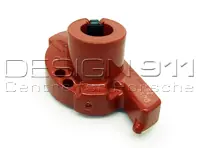
Fits:
Porsche 928 4.7L 1980-83
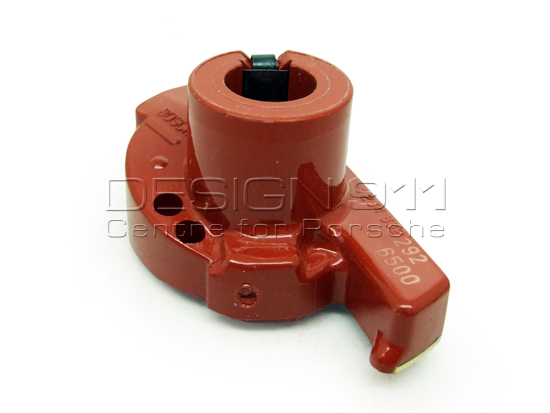
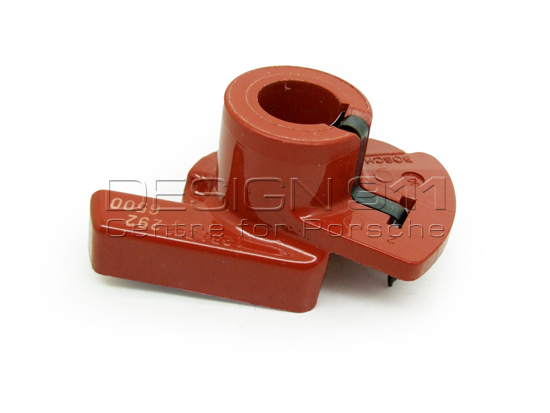
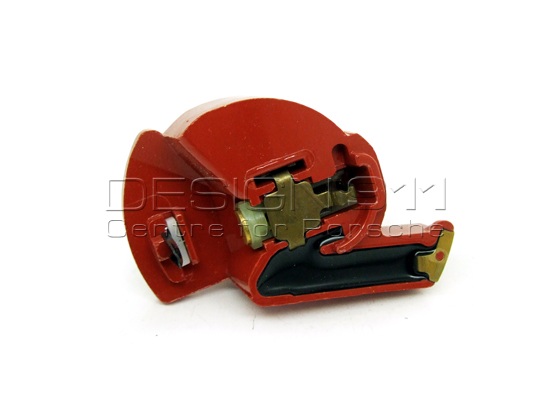
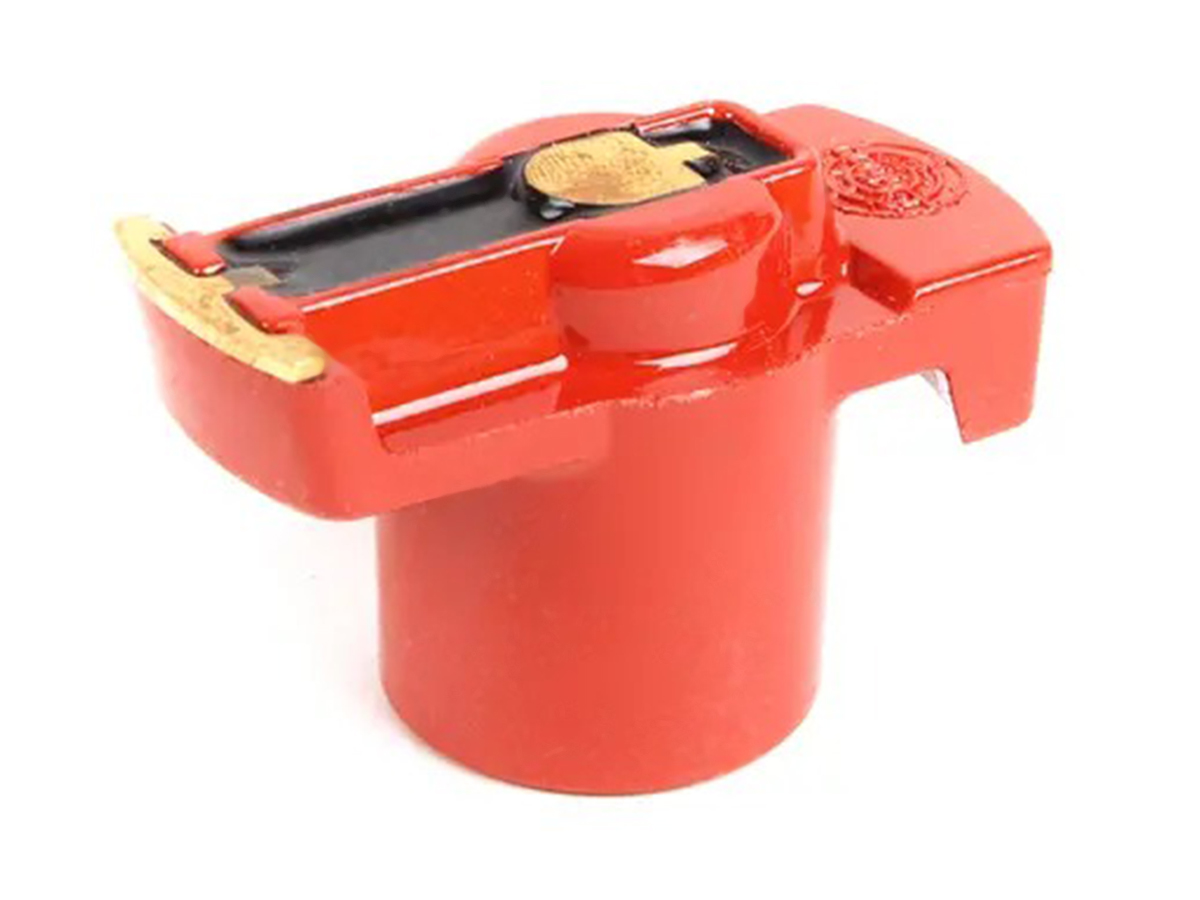
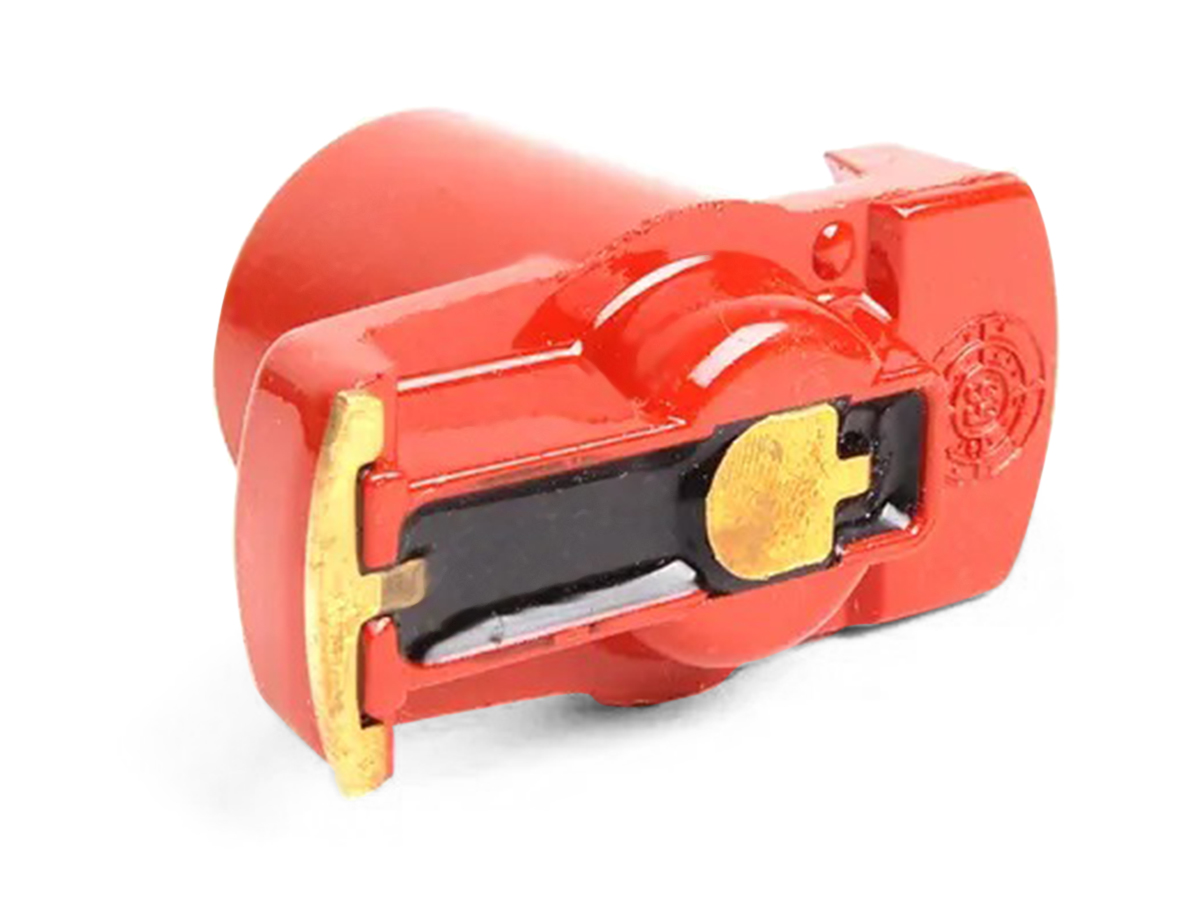
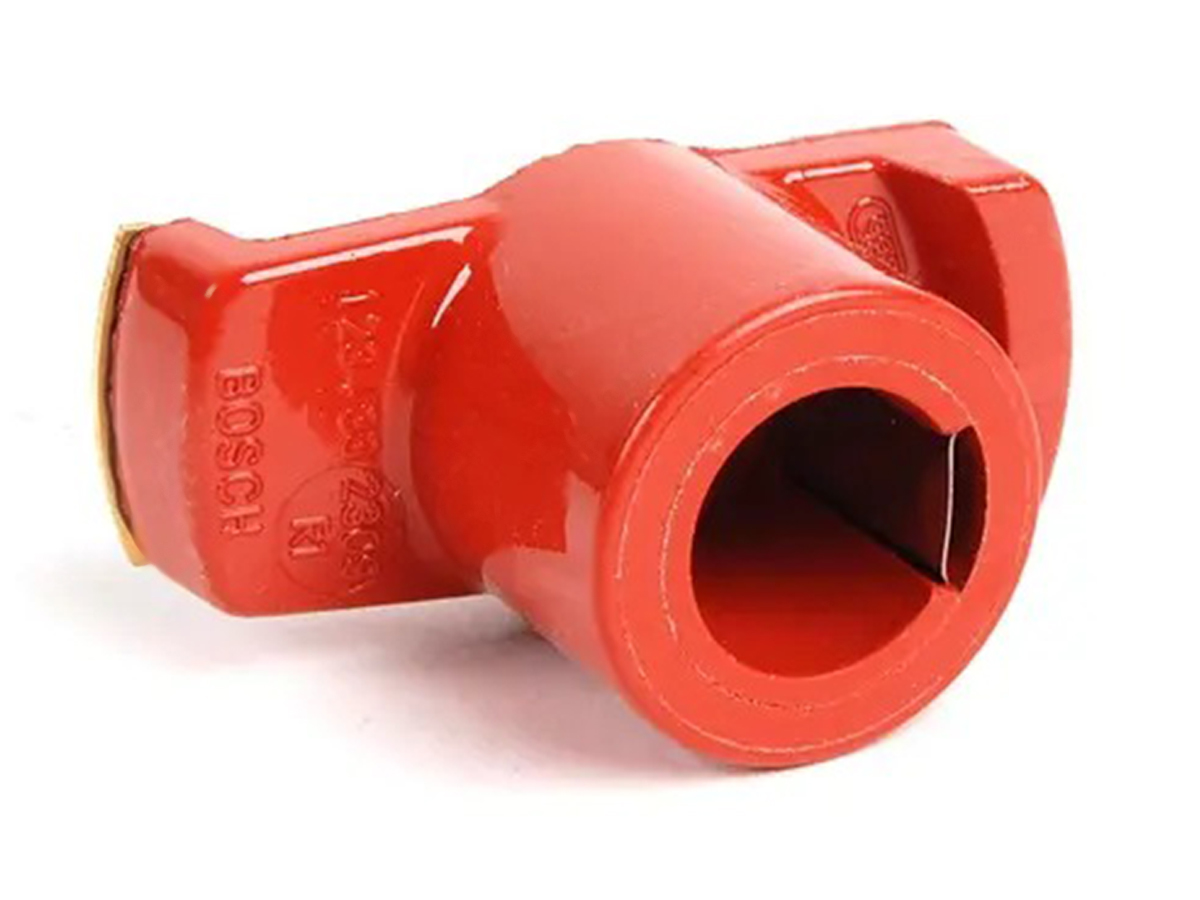
The "rotor" head is attached to the top of the distributor shaft which is driven by a gear on the engine's camshaft and thus synchronized to it. This rotor is pressed against a carbon brush on the centre terminal of the distributor cap which connects to the ignition coil either through the top and wired directly to the coil in HEI systems, or via the centre terminal in points ignition systems and remotely connected to the coil.
The rotor is constructed such that the centre tab is electrically connected to its outer edge so that voltage coming in to the centre post travels through the carbon point to the outer edge of the rotor. As the camshaft rotates, the rotor spins and its outer edge passes each of the internal plug terminals to fire each spark plug.
Related reference numbers
Related, superseded, cross reference or alternative numbers for comparison.
92860290405
The product you are viewing cross references to these numbers
- Porsche 928 4.5L 1978-82
- Porsche 928S 4.7L 1981-83
Shop Securely
12 Month Warranty
Worldwide Delivery
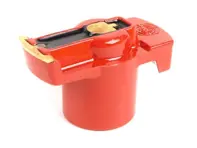
Fits:
Porsche 924 Turbo 1981>>
The "rotor" head is attached to the top of the distributor shaft which is driven by a gear on the engine's camshaft and thus synchronized to it. This rotor is pressed against a carbon brush on the centre terminal of the distributor cap which connects to the ignition coil either through the top and wired directly to the coil in HEI systems, or via the centre terminal in points ignition systems and remotely connected to the coil.
The rotor is constructed such that the centre tab is electrically connected to its outer edge so that voltage coming in to the centre post travels through the carbon point to the outer edge of the rotor. As the camshaft rotates, the rotor spins and its outer edge passes each of the internal plug terminals to fire each spark plug.
Related reference numbers
Related, superseded, cross reference or alternative numbers for comparison.
93160290600
The product you are viewing cross references to these numbers
- Porsche 924 Turbo 2.0L 1979-81
- Porsche 924 Turbo 2.0L 1982-84
Shop Securely
12 Month Warranty
Worldwide Delivery
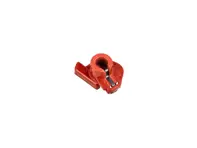
Fits:
Porsche 911SC 3.0L 1978-83
188Bhp & 204Bhp cars
Porsche 930 3.0L / 3.3L 1975-89
Bosch ref: 1234332223 / 1234332196
The "rotor" head is attached to the top of the distributor shaft which is driven by a gear on the engine's camshaft and thus synchronized to it. This rotor is pressed against a carbon brush on the centre terminal of the distributor cap which connects to the ignition coil either through the top and wired directly to the coil in HEI systems, or via the centre terminal in points ignition systems and remotely connected to the coil.
The rotor is constructed such that the centre tab is electrically connected to its outer edge so that voltage coming in to the centre post travels through the carbon point to the outer edge of the rotor. As the camshaft rotates, the rotor spins and its outer edge passes each of the internal plug terminals to fire each spark plug.
Related reference numbers
Related, superseded, cross reference or alternative numbers for comparison.
93060290105
The product you are viewing cross references to these numbers
- Porsche 911 1978-1983 3.0L / SC
- Porsche 911 1975-1977 3.0L Turbo (930)
- Porsche 911 1978-1989 3.3L Turbo (930)
Shop Securely
12 Month Warranty
Worldwide Delivery
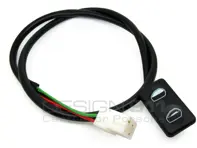
Fits:
Porsche 928 1990-96
Related reference numbers
Related, superseded, cross reference or alternative numbers for comparison.
9286131230701C
The product you are viewing cross references to these numbers
- Porsche 928S4 5.0L 1987-92
- Porsche 928GT 5.0L 1989-91
- Porsche 928GTS 5.4L 1992-95
Shop Securely
12 Month Warranty
Worldwide Delivery
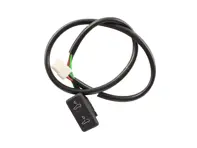
Fits:
Porsche 928 1978-1990
Related reference numbers
Related, superseded, cross reference or alternative numbers for comparison.
92861312000
The product you are viewing cross references to these numbers
- Porsche 928S4 5.0L 1987-92
- Porsche 928GT 5.0L 1989-91
- Porsche 928GTS 5.4L 1992-95
Shop Securely
12 Month Warranty
Worldwide Delivery
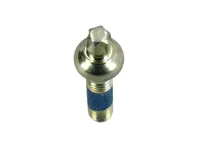
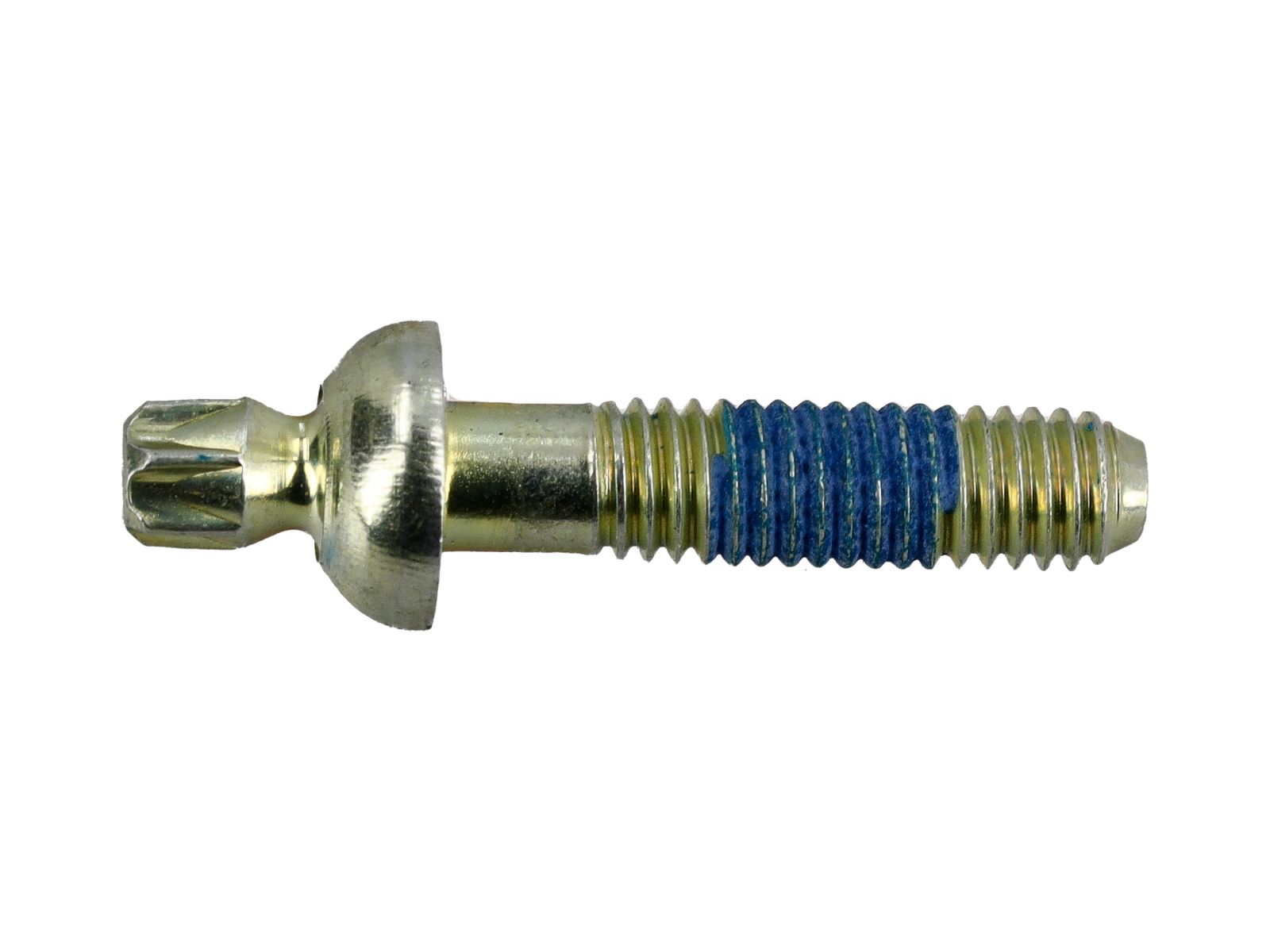
Need 2 per car. Price is for each.
Fits:
Porsche 911 1965-89
Porsche 964 1989-94
Porsche 993 1994-98
Porsche 914 1970-76
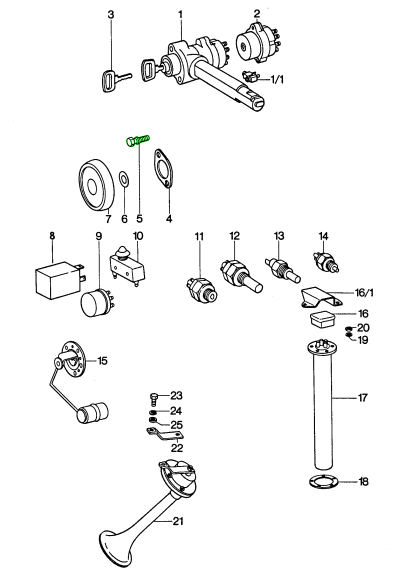
Click 'zoom in' for large parts diagram.
Diagram ref no 5
Related reference numbers
Related, superseded, cross reference or alternative numbers for comparison.
9992190170Y
The product you are viewing cross references to these numbers
- Porsche 911 1965-1968 2.0L / 912 SWB (F)
- Porsche 911 1968-1973 2.2L / 2.4L / 2.7L RS LWB (F)
- Porsche 911 1974-1977 2.7L / 1976-77 3.0 Carrera
- Porsche 911 1978-1983 3.0L / SC
- Porsche 911 1984-1986 3.2L
- Porsche 911 1987-1989 3.2L G50
- Porsche 911 1975-1977 3.0L Turbo (930)
- Porsche 911 1978-1989 3.3L Turbo (930)
- Porsche 964 (911) C2 1989-93
- Porsche 964 (911) C4 1989-93
- Porsche 964 (911) RS 3.6L 1991-93
- Porsche 964 (911) RS 3.8L 1991-93
- Porsche 964 (911) TURBO 3.3L 1991-93
- Porsche 964 (911) TURBO 3.6L 1991-93
- Porsche 993 (911) C2 1994-97
- Porsche 993 (911) C4 1994-97
- Porsche 993 (911) RS 1994-97
- Porsche 993 (911) C2S 1994-97
- Porsche 993 (911) C4S 1994-97
- Porsche 993 (911) TURBO 1994-96
- Porsche 993 (911) GT2 1994-97
- Porsche 993 (911) TURBO S 1994-97
- Porsche 914 (1970-1976)
Shop Securely
12 Month Warranty
Worldwide Delivery
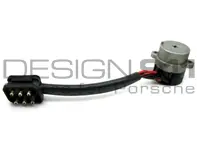
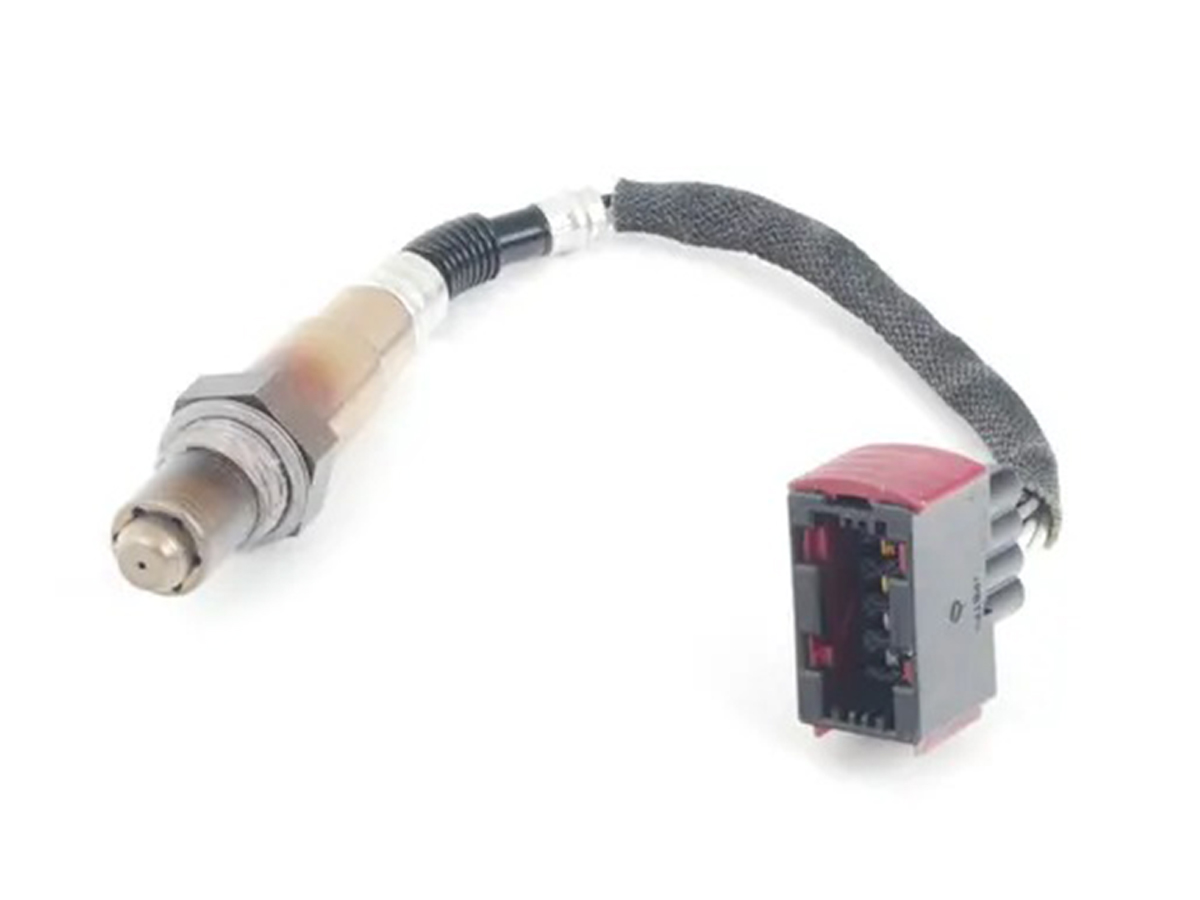
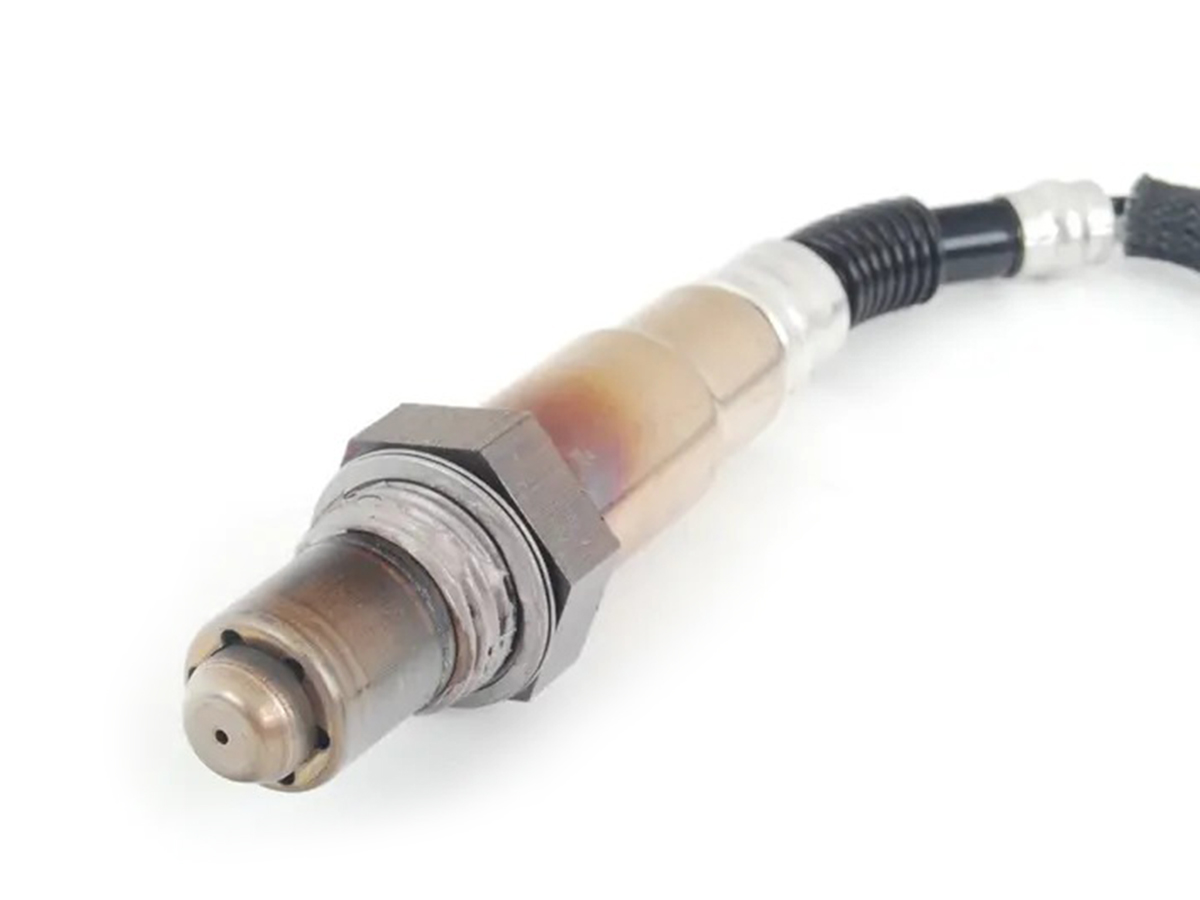
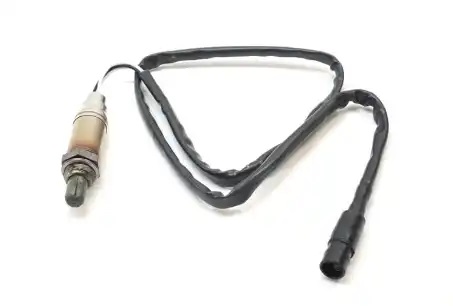
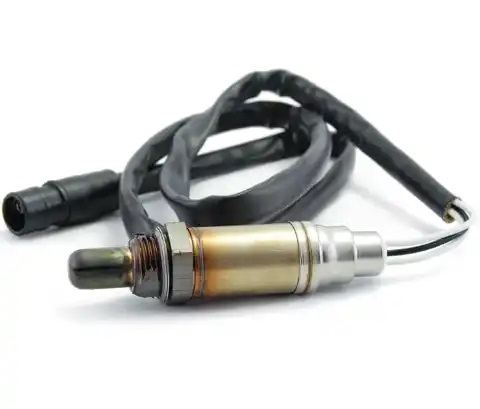
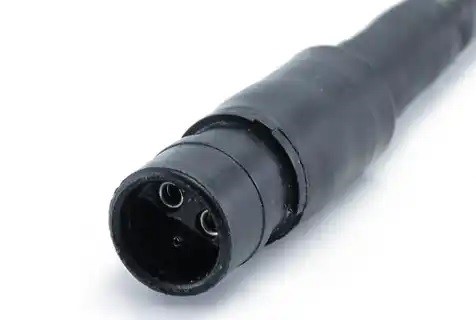
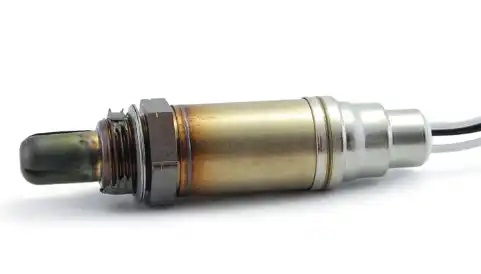
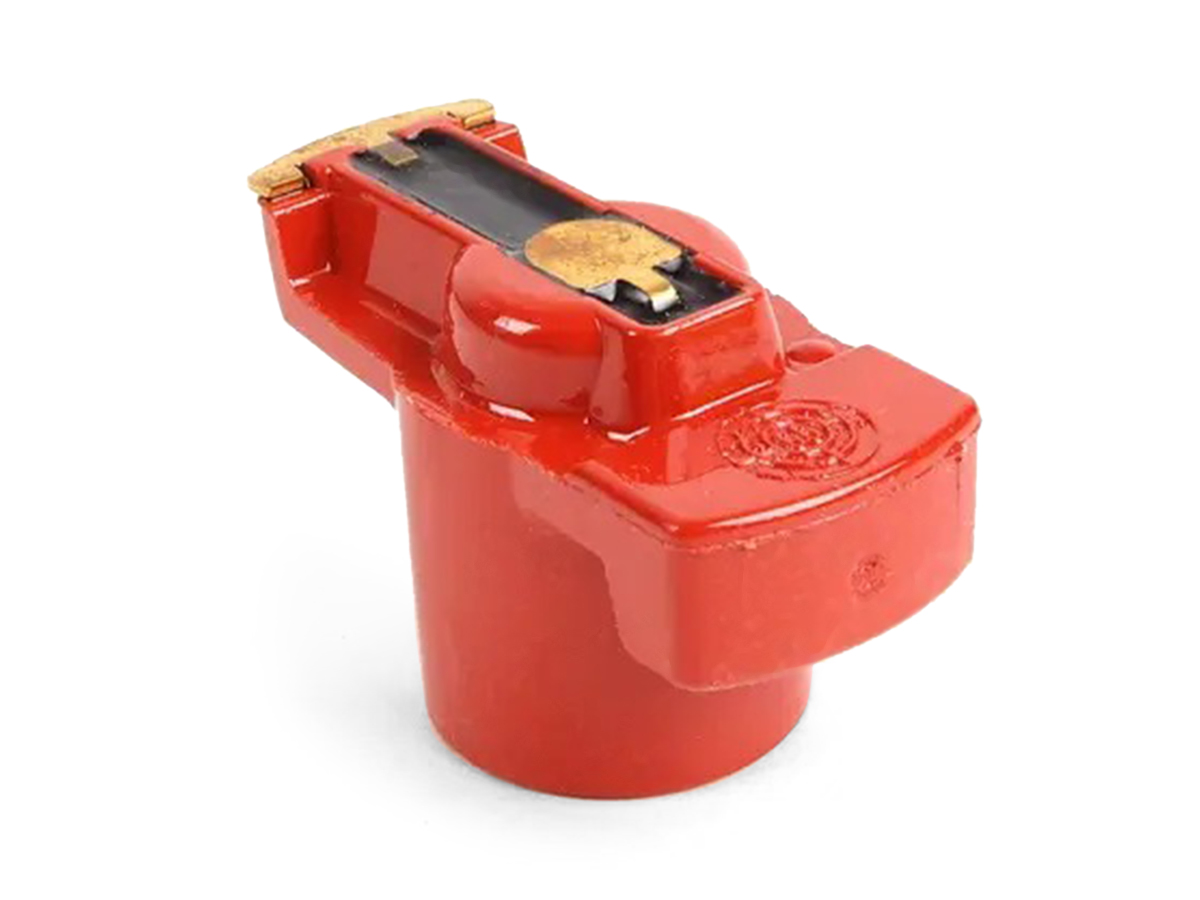
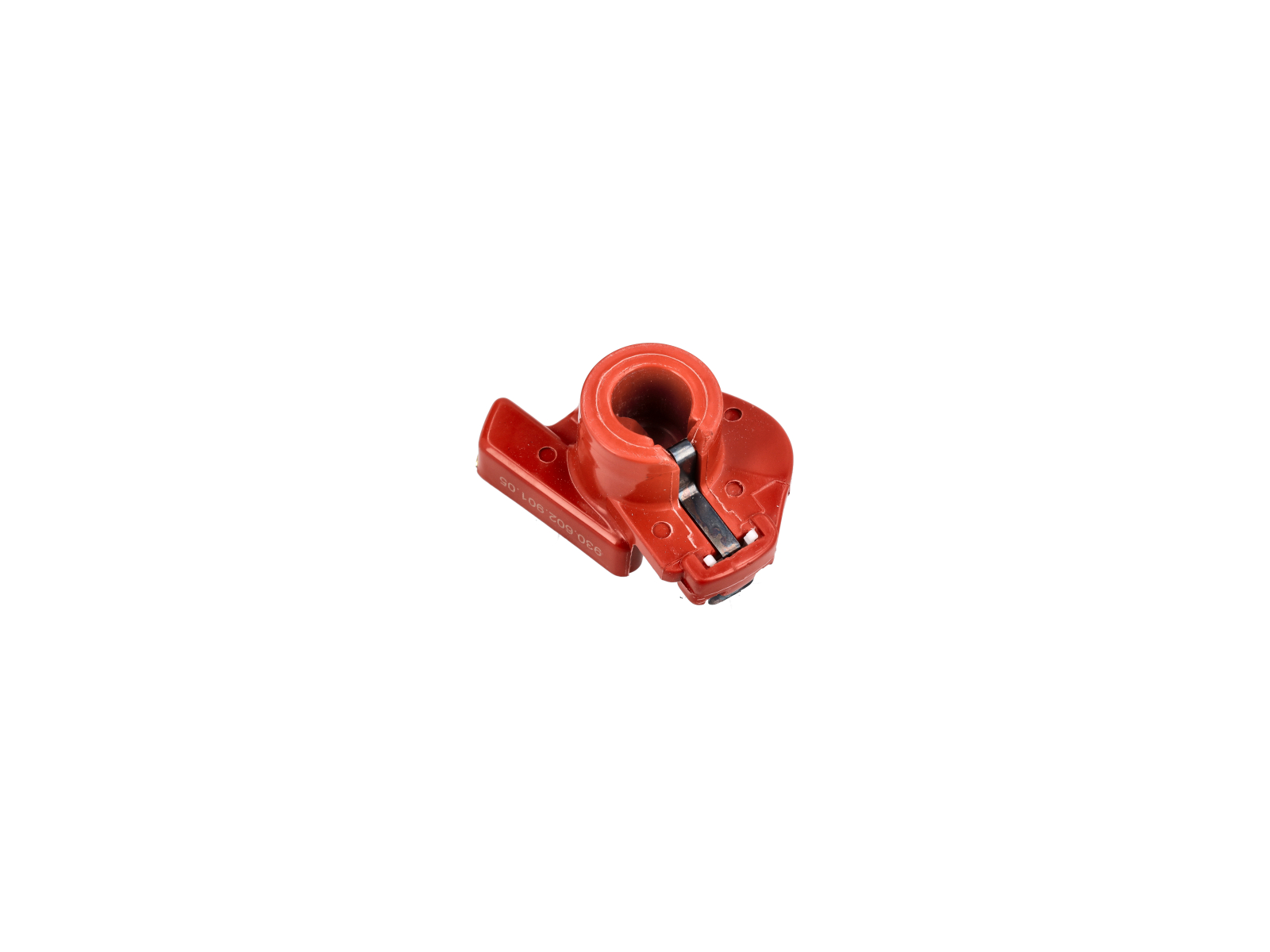
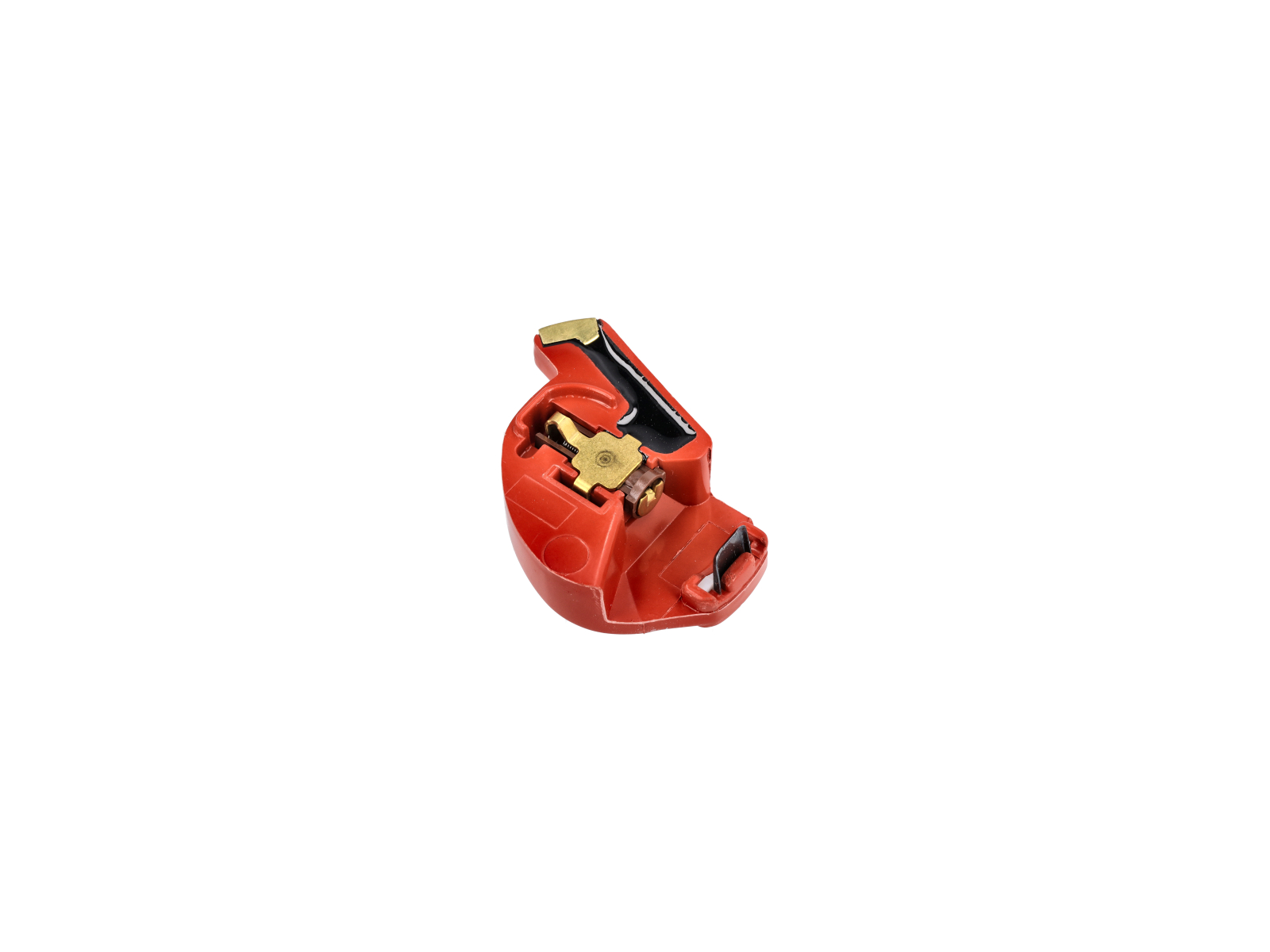
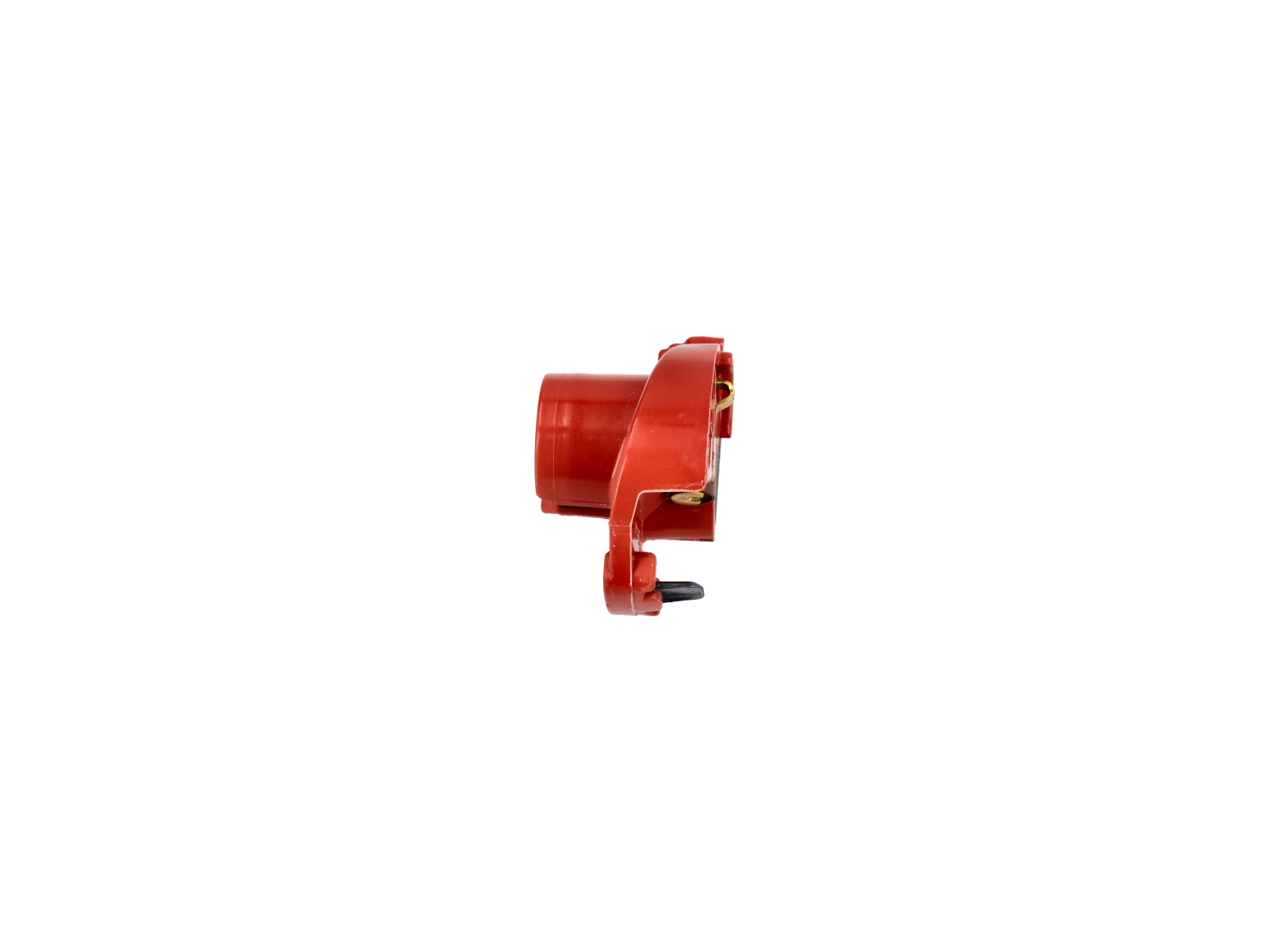
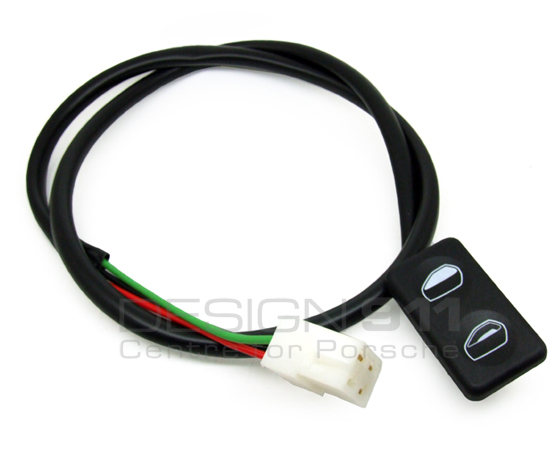
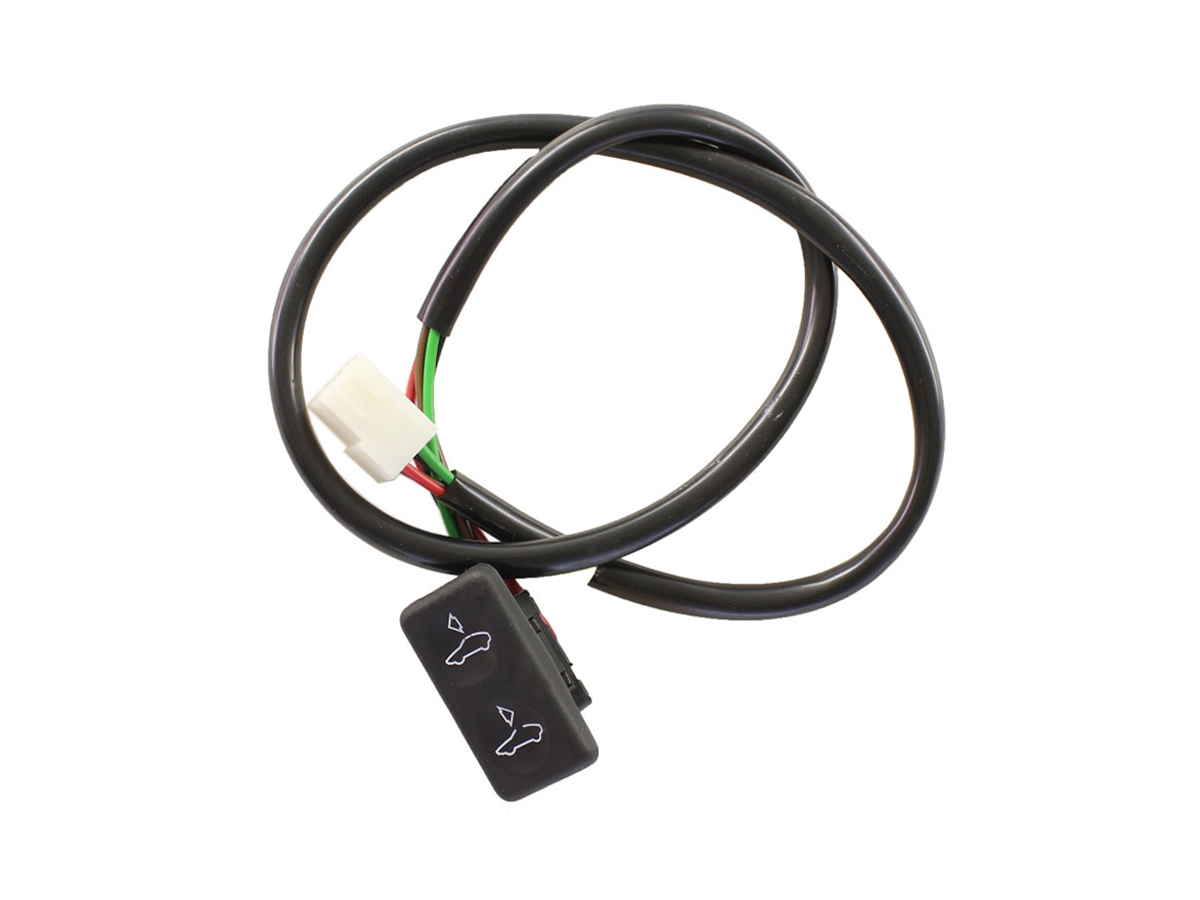
Ftis: RHD and LHD CARS
Fits:
Porsche 968 1992-95
- Porsche 968 3.0L 1992-94
- Porsche 968 Sport 3.0L 1994-95
- Porsche 968 CS 3.0L 1993-95
- Porsche 968 Turbo S 3.0L 1993-94
Shop Securely
12 Month Warranty
Worldwide Delivery

Monday-Friday: 8.30am - 5.30pm (GMT)
Saturday: Closed
Sunday: Closed